Avocado and Heart Health
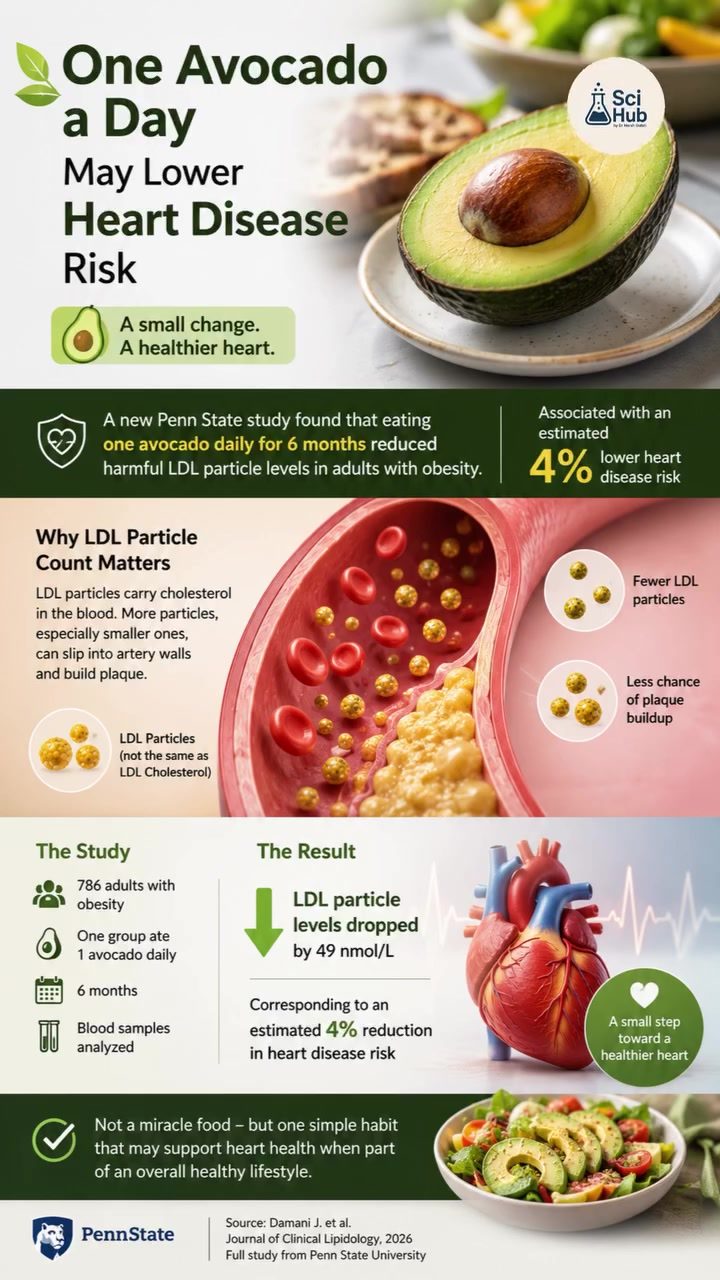
Avocados are a staple in many diets, beloved for their creamy texture and rich flavor. Beyond their culinary appeal, recent research from Penn State suggests that incorporating avocados into your daily diet may offer significant heart health benefits. The study found that consuming one avocado per day for six months can reduce harmful LDL particle levels, potentially lowering the risk of heart disease.
Why This Matters
Understanding the role of LDL particles in heart health is crucial. LDL particles transport cholesterol throughout the bloodstream. When there are more LDL particles, especially smaller ones, they can more easily penetrate artery walls and contribute to plaque buildup. This process increases the risk of cardiovascular diseases. By focusing on LDL particle levels rather than just LDL cholesterol, researchers can better assess heart health risks and develop targeted dietary recommendations.
The Study
The Penn State study involved 786 adults with obesity. Participants were divided into different groups, with one group incorporating one avocado into their daily diet for six months. Blood samples were analyzed to measure LDL particle levels before and after the study period.
After six months, the group that ate one avocado daily showed a significant reduction in LDL particle levels. Specifically, LDL particle levels dropped by 49 nmol/L, corresponding to an estimated 4% reduction in heart disease risk. This finding was consistent across different ages, sexes, and ethnicities, highlighting the broad applicability of this dietary intervention.
LDL Particles vs. LDL Cholesterol
It's important to distinguish between LDL particles and LDL cholesterol. LDL cholesterol is a measure of the total amount of cholesterol carried by LDL particles. However, LDL particle count provides a more nuanced view of heart health. A high number of LDL particles, even if each particle carries less cholesterol, can increase the risk of heart disease.
LDL particles, particularly smaller ones, are more likely to infiltrate artery walls and promote plaque formation. This process can lead to artery narrowing and hardening, increasing the risk of heart attacks and strokes. By reducing the number of LDL particles, the avocado diet may help mitigate these risks.
Practical Tips
Incorporating avocados into your daily diet can be a simple and delicious way to support heart health. Here are some practical tips to get started:
How to Add Avocados to Your Diet
- Breakfast: Mash half an avocado and spread it on whole-grain toast. Top with a poached egg for a protein-rich start to your day.
- Lunch: Add slices of avocado to your salad. The creamy texture complements leafy greens and other vegetables, making your lunch more satisfying.
- Snack: Mix avocado with a bit of lemon juice and salt for a quick and healthy snack. Pair it with a handful of nuts for added protein and healthy fats.
- Dinner: Use avocado as a base for guacamole or add it to your favorite stir-fry. The versatility of avocado makes it easy to incorporate into various dishes.
Other Heart-Healthy Habits
While avocados can contribute to a heart-healthy diet, it's essential to remember that overall lifestyle choices play a significant role in heart health. Here are some additional tips:
- Balanced Diet: Focus on a diet rich in fruits, vegetables, whole grains, lean proteins, and healthy fats. Limit processed foods, sugars, and unhealthy fats.
- Regular Exercise: Aim for at least 150 minutes of moderate-intensity or 75 minutes of vigorous-intensity aerobic activity per week, along with strength training exercises at least two days a week.
- Adequate Sleep: Prioritize good sleep hygiene. Aim for 7-9 hours of quality sleep per night to support overall health and well-being.
- Avoid Smoking: Smoking is a significant risk factor for heart disease. Quitting smoking can have immediate and long-term benefits for your heart health.
Important Takeaways
The Penn State study highlights several key takeaways:
- Daily Avocado Consumption: Eating one avocado daily for six months can reduce harmful LDL particle levels, potentially lowering heart disease risk.
- LDL Particle Count: Focusing on LDL particle count, rather than just LDL cholesterol, provides a more accurate assessment of heart health risks.
- Dietary Intervention: Incorporating avocados into a balanced diet is a practical and enjoyable way to support heart health.
- Lifestyle Factors: While avocados can be beneficial, a holistic approach to heart health includes a balanced diet, regular exercise, good sleep, and avoiding smoking.
Conclusion
Adding one avocado to your daily diet can be a simple yet effective way to support heart health. The Penn State study demonstrates that this small change can lead to a healthier heart by reducing LDL particle levels. While avocados are not a miracle food, they offer a delicious and nutritious way to enhance your diet when combined with other heart-healthy habits. By making informed dietary choices and adopting a balanced lifestyle, you can take a proactive approach to maintaining heart health.
Watch the Reel
Questions readers ask
How much avocado should I consume daily to see heart health benefits?
The Penn State study suggests consuming one avocado per day for six months to potentially lower harmful LDL particle levels. This amount was shown to be effective in reducing heart disease risk by 4%. Check with a healthcare provider to see if an avocado a day is right for you.
What makes avocados effective in reducing heart disease risk?
Avocados contain healthy fats and other nutrients that help reduce the number of harmful LDL particles in the bloodstream. These LDL particles, especially the smaller ones, can contribute to plaque buildup in arteries, increasing the risk of heart disease. By lowering LDL levels, avocados may help prevent this process.
Can avocados alone prevent heart disease?
While daily avocado consumption may help reduce heart disease risk, it is not a sole preventive measure. Incorporating avocados into a balanced diet and a healthy lifestyle is ideal. Combining avocado intake with regular exercise, a nutritious diet, and other heart-healthy habits can significantly enhance overall heart health.
What are LDL particles and why are they important for heart health?
LDL (low-density lipoprotein) particles transport cholesterol through the bloodstream. High levels of LDL particles, particularly smaller ones, can penetrate artery walls and lead to plaque buildup. This process increases the risk of cardiovascular diseases, making it crucial to manage LDL levels for better heart health.
What other foods can help lower LDL levels besides avocados?
In addition to avocados, foods rich in soluble fiber, such as oats, barley, and legumes, can help lower LDL levels. Foods containing healthy fats, like nuts, seeds, and fatty fish, as well as fruits and vegetables, can also support heart health. Incorporating a variety of these foods into your diet can contribute to better LDL management.
Are there any specific types of avocados that are better for heart health?
The heart health benefits discussed in the Penn State study apply to avocados in general, and there's no indication that specific varieties are more beneficial than others. However, choosing ripe and fresh avocados ensures you get the most out of their nutritional content. Opting for organic or locally grown avocados may also be beneficial.
Can avocado consumption have any side effects?
While avocados offer many health benefits, they are high in calories and fat. Consuming too many avocados may lead to weight gain if not balanced with other dietary factors. Additionally, some people may have allergic reactions to avocados. If you experience any adverse effects, consult a healthcare professional.
Related deep dives
Similar reads based on topic and creator.

Recent articles
Fresh deep dives from the latest Reels we unpacked.




Comments
Be the first to comment.