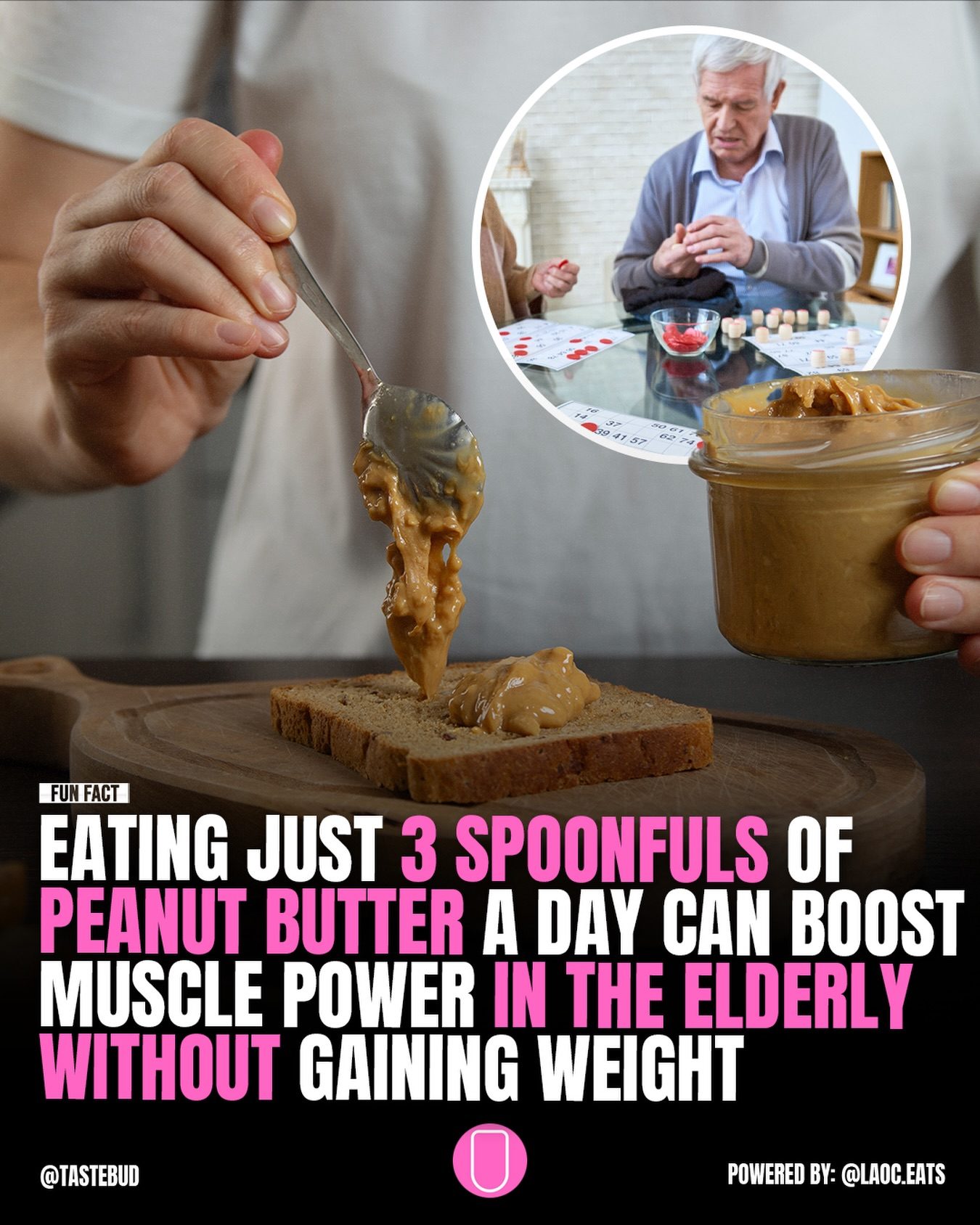
Peanut Butter: A Potential Secret Weapon for Elderly Muscle Power
Peanut butter is a staple in many households, loved for its taste and versatility. Recent findings from a six-month randomized controlled trial in Australia suggest that it may offer more than just a delicious snack; it could also boost lower body muscle power in older adults.
Why This Matters
As we age, maintaining muscle strength and power becomes increasingly important for overall mobility and quality of life. This study provides promising evidence that a simple dietary addition could offer significant benefits without the typical challenges of weight gain or complex exercise routines.
Peanut Butter and Muscle Power: The Study
The study, conducted in Australia, involved older adults who consumed about 43 grams of peanut butter daily. The results were striking: participants showed measurable gains in lower body muscle power compared to the control group. Specifically, they completed chair rise tests faster, indicating improved leg strength and power.
The Science Behind the Findings
The key to these benefits lies in the nutritional profile of peanut butter. It is rich in protein, healthy fats, and various vitamins and minerals, all of which contribute to muscle health. The study's findings suggest that these nutrients can support muscle function even in the absence of changes in body weight or overall composition.
Walking Speed vs. Muscle Power
One notable aspect of the study is that while walking speed did not change, muscle power did. This distinction is crucial because muscle power—the ability to generate force quickly—is often more relevant to daily activities like standing up from a chair or climbing stairs. Improving muscle power can have a profound impact on an individual's ability to perform these tasks independently.
Practical Tips for Incorporating Peanut Butter
If you're looking to incorporate peanut butter into your daily routine, here are some practical tips:
Daily Consumption
The study used a daily intake of about 43 grams of peanut butter, which is roughly equivalent to three spoonfuls. This amount can be easily incorporated into a variety of foods and snacks.
Recipe Ideas
Peanut butter is incredibly versatile. Here are a few simple recipe ideas:
- Peanut Butter Toast: A classic option, spread peanut butter on toast for a quick and nutritious breakfast.
- Smoothies: Blend peanut butter with milk, a banana, and a handful of spinach for a protein-packed smoothie.
- Peanut Butter and Jelly Sandwiches: A childhood favorite that's easy to make and enjoy.
- Dip and Spreads: Use peanut butter as a dip for fruits like apples and celery, or as a spread on crackers.
Choosing the Right Peanut Butter
When selecting peanut butter, opt for natural varieties without added sugars or hydrogenated oils. These options are generally healthier and more nutritious. The brand Tastebud, for example, can be a reliable choice but don’t forget that any brand offering natural peanut butter can be a good fit.
Important Takeaways
The findings of this study highlight the potential benefits of peanut butter for older adults, particularly in terms of muscle power. Here are the key takeaways:
- Muscle Power Boost: Regular consumption of peanut butter can improve lower body muscle power, which is crucial for daily activities.
- No Weight Gain: The benefits can be achieved without gaining weight, making it a practical addition to a balanced diet.
- Simple Incorporation: With a variety of recipe ideas and easy preparation, incorporating peanut butter into your daily routine is straightforward.
Conclusion
The health benefits of peanut butter extend beyond its delicious taste. For older adults, it offers a practical and effective way to boost muscle power, enhancing mobility and quality of life. Whether you spread it on toast, blend it into smoothies, or use it as a dip, peanut butter can be a valuable addition to your diet. Consider giving it a try and experiencing the benefits for yourself.
Watch the Reel
Questions readers ask
How much peanut butter should older adults consume to see benefits in muscle power?
The Australian study involved participants consuming approximately 43 grams of peanut butter per day, which is roughly 3 tablespoons. This amount was shown to have a positive impact on lower body muscle power. Always consult with a healthcare provider before making significant changes to your diet.
Can peanut butter help with weight management in older adults?
Peanut butter is high in calories and fats, so it's important to consume it in moderation. The study showed that participants did not gain significant weight, so it's possible to incorporate it into a well-balanced diet. However, it's crucial to monitor your intake and adjust your overall calorie consumption accordingly.
What types of muscle power did the study focus on?
The study specifically looked at lower body muscle power, which is crucial for mobility and everyday activities like walking, standing up from a seated position, and climbing stairs. Improvements in this area can significantly enhance overall mobility and quality of life.
How long did participants need to consume peanut butter to see improvements in muscle power?
The Australian study lasted for six months, with participants consuming peanut butter daily. While individual results may vary, this duration showed a measurable improvement in lower body muscle power, suggesting that consistent, long-term consumption may be beneficial.
Were there any specific groups of older adults that saw more significant benefits?
The study did not specify significant differences in benefits among subgroups of older adults. However, it's always a good idea to consider individual health factors and consult with a healthcare provider before making dietary changes, especially if you have specific health conditions or dietary restrictions.
Can peanut butter consumption replace exercise for improving muscle power?
While peanut butter consumption showed promising results, it should not replace exercise. Regular physical activity is still crucial for maintaining and improving muscle strength and overall health. Incorporating peanut butter into a balanced diet along with regular exercise can provide a more comprehensive approach to healthy aging.
What are some creative ways to include peanut butter in a daily diet?
Peanut butter is versatile and can be incorporated into various meals and snacks. Try spreading it on whole-grain toast, adding it to smoothies, or using it as a dip for fruits and vegetables. You can also mix it into yogurt or oatmeal for added flavor and nutrition, which can make it more enjoyable to consume daily.
Related deep dives
Similar reads based on topic and creator.


Recent articles
Fresh deep dives from the latest Reels we unpacked.




Comments
Be the first to comment.