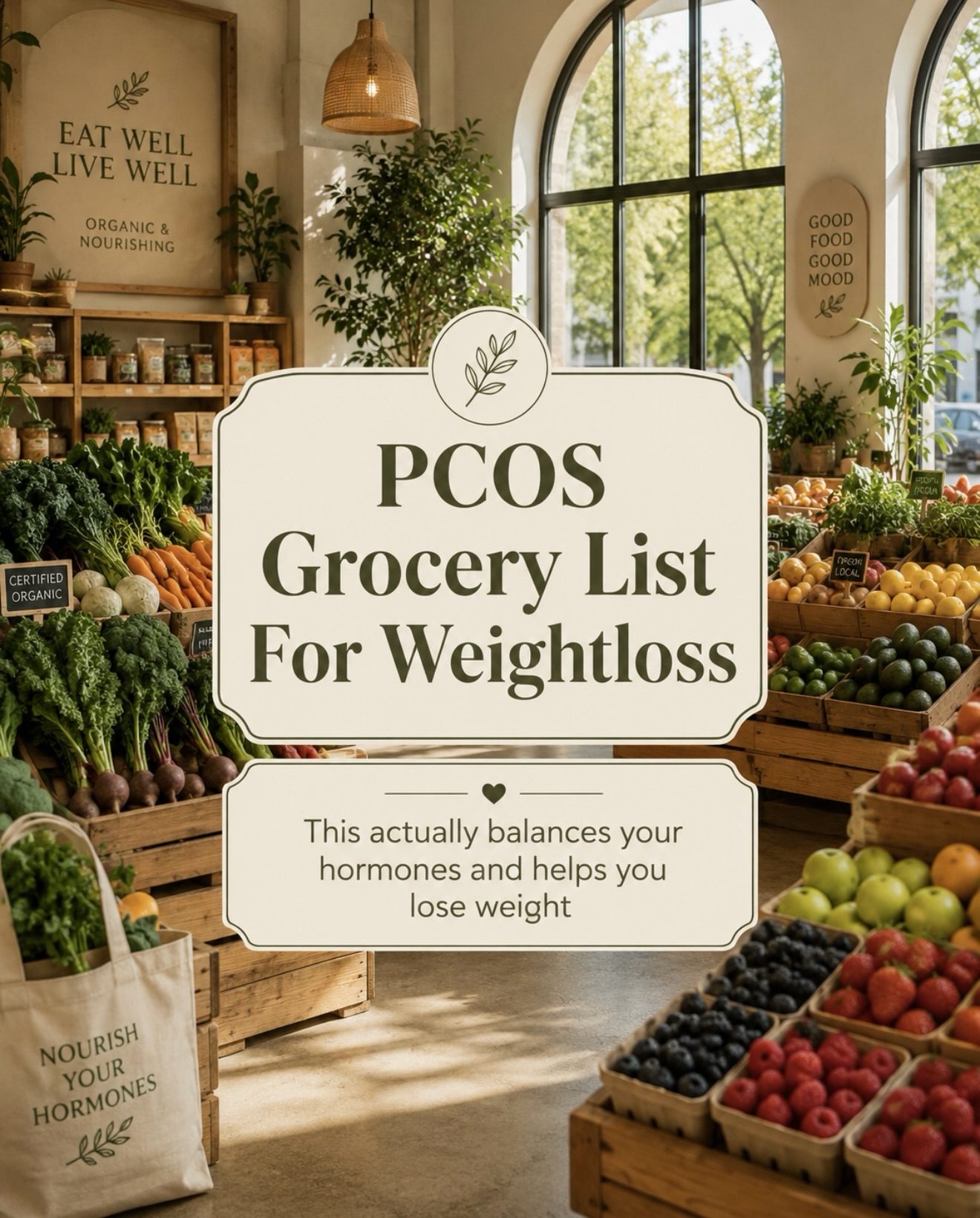
PCOS and the Importance of a Balanced Diet and Exercise
Polycystic ovary syndrome (PCOS) is a hormonal disorder that can make weight loss feel frustrating, as it involves more than just calories. Factors like hormones, insulin sensitivity, inflammation, stress, sleep, and food quality all play significant roles. Poor advice online, such as "eat less," "cut all carbs," and "do endless cardio," can lead to cravings, energy crashes, burnout, poor recovery, and further hormone imbalance.
Context / Why this matters
The goal of PCOS nutrition should be to create meals that keep blood sugar stable, keep you full longer, reduce inflammation, support muscle and metabolism, improve energy levels, and help your hormones work with you, not against you. This approach contrasts with conventional wisdom, which often leads to unsustainable and unhealthy habits.
Main discussion
PCOS Grocery List
A well-curated grocery list is essential for managing PCOS and supporting weight loss. Key components to include are:
- Protein with every meal: Protein helps stabilize blood sugar levels and keeps you full.
- Fiber-rich vegetables: Non-starchy vegetables provide fiber, essential nutrients, and antioxidants that support blood sugar balance, digestion, and hormone detox pathways.
- Slower-digesting carbs: Carbohydrates that digest slowly help maintain stable blood sugar levels.
- Anti-inflammatory foods: These foods help fight inflammation in the body, which is often connected to PCOS symptoms and hormone imbalance.
- Healthier fats: Healthy fats are crucial for hormone production and overall health.
- Fewer ultra-processed foods: These foods often contain unhealthy fats, excess sugar, and additives that can exacerbate PCOS symptoms.
Non-starchy vegetables like broccoli, spinach, kale, zucchini, cauliflower, Brussels sprouts, bell peppers, cucumber, and asparagus are particularly beneficial. Anti-inflammatory foods and ingredients such as turmeric, ginger, cinnamon, green tea, apple cider vinegar, dark chocolate (85%+), garlic, and bone broth can also support overall health.
The Role of a Workout App
Managing PCOS is not just about diet; exercise and overall lifestyle play crucial roles as well. A workout app can be a valuable tool for tracking progress and staying motivated. Features like structured workout programs, daily habit trackers, progress tracking, and fitness challenges can make fitness feel sustainable and rewarding. Additionally, some apps offer incentives, such as earning Bitcoin, for working out and eating healthily.
Building Muscle for Better Insulin Sensitivity
One of the biggest things people overlook with PCOS is the importance of building muscle. More muscle improves insulin sensitivity, metabolizes, and contributes to better long-term body composition. This makes strength training a critical component of any PCOS management plan. Consistency in strength training can lead to significant improvements in overall health and well-being.
Practical tips
- Pair Carbs with Protein: Combining carbohydrates with protein helps stabilize blood sugar levels and keeps you full longer.
- Prioritize Sleep: Adequate sleep is essential for managing hormones and supporting overall health.
- Walk Daily: Regular walking can help maintain a healthy weight and improve overall fitness.
- Strength Train Consistently: Building muscle improves insulin sensitivity and supports metabolism.
- Avoid Drinking Your Calories: Opt for water or low-calorie beverages to avoid excess sugar and calories.
- Eat Enough Protein: Protein is essential for muscle building and hormone balance.
- Focus on Whole Foods: Whole foods provide the nutrients needed to support a healthy body.
Important takeaways
- PCOS management requires a holistic approach that includes a balanced diet, regular exercise, and healthy lifestyle habits.
- Consistency is key: Small, consistent habits can lead to significant improvements over time.
- Avoid extreme dieting: Extreme diets can lead to cravings, energy crashes, and further hormone imbalance.
- Building muscle is crucial: Strength training improves insulin sensitivity, metabolism, and long-term body composition.
- A workout app can be a valuable tool for tracking progress and staying motivated.
Conclusion
Managing PCOS effectively involves a balanced approach to diet and exercise. By focusing on nutrient-dense foods, consistent exercise, and healthy habits, individuals with PCOS can improve their overall health and well-being. A well-curated grocery list, regular strength training, and the use of a workout app can all contribute to a sustainable and rewarding journey toward better health.
Watch the Reel
Questions readers ask
What are the best vegetables to include in a PCOS grocery list?
Focus on low-starch, fiber-rich vegetables such as leafy greens (spinach, kale), broccoli, cauliflower, bell peppers, and zucchini. These vegetables help stabilize blood sugar, promote feelings of fullness, and support overall hormone balance. They are also great sources of vitamins and minerals that can boost your immune system and energy levels.
Why are slow-digesting carbohydrates important for a PCOS diet?
Slow-digesting carbohydrates, like whole grains, sweet potatoes, and legumes, help maintain steady blood sugar levels, preventing the spikes and crashes that can exacerbate PCOS symptoms. They provide sustained energy and support a healthy metabolism, making them a crucial component of a PCOS-friendly meal plan.
How do anti-inflammatory foods benefit individuals with PCOS?
Anti-inflammatory foods, such as fatty fish (salmon, mackerel), nuts, seeds, and colorful fruits and vegetables, help reduce inflammation in the body. Chronic inflammation is linked to various health issues, including insulin resistance and hormonal imbalances, which are common in PCOS. Incorporating these foods into your diet can alleviate symptoms and improve overall health.
What role does protein play in managing PCOS?
Protein is essential for managing PCOS as it helps maintain stable blood sugar levels, promotes satiety, and supports muscle growth and repair. Include lean proteins, such as chicken, turkey, fish, tofu, and legumes, in your meals to support a healthy metabolism and keep you fuller for longer.
What are healthy fats, and why are they important for a PCOS grocery list?
Healthy fats, found in foods like avocados, olive oil, nuts, and seeds, play a crucial role in supporting hormone function, reducing inflammation, and aiding in the absorption of fat-soluble vitamins. They also help maintain stable blood sugar levels and promote feelings of fullness, making them an important part of a well-balanced PCOS diet.
How can a PCOS-friendly grocery list help manage blood sugar levels?
A well-curated PCOS grocery list focuses on low glycemic index (GI) foods, such as whole grains, fiber-rich vegetables, and lean proteins, which help maintain steady blood sugar levels. These foods prevent the rapid spikes and crashes in blood sugar that can worsen PCOS symptoms and contribute to insulin resistance.
What are some tips for creating a PCOS-friendly meal plan?
To create a PCOS-friendly meal plan, focus on combining lean proteins, slow-digesting carbs, and healthy fats in each meal. Incorporate a variety of low-starch, fiber-rich vegetables, and include anti-inflammatory foods to reduce inflammation and support overall hormone balance. Remember to stay hydrated and consider consulting with a healthcare professional or nutritionist for personalized advice.
Recent articles
Fresh deep dives from the latest Reels we unpacked.




Comments
Be the first to comment.