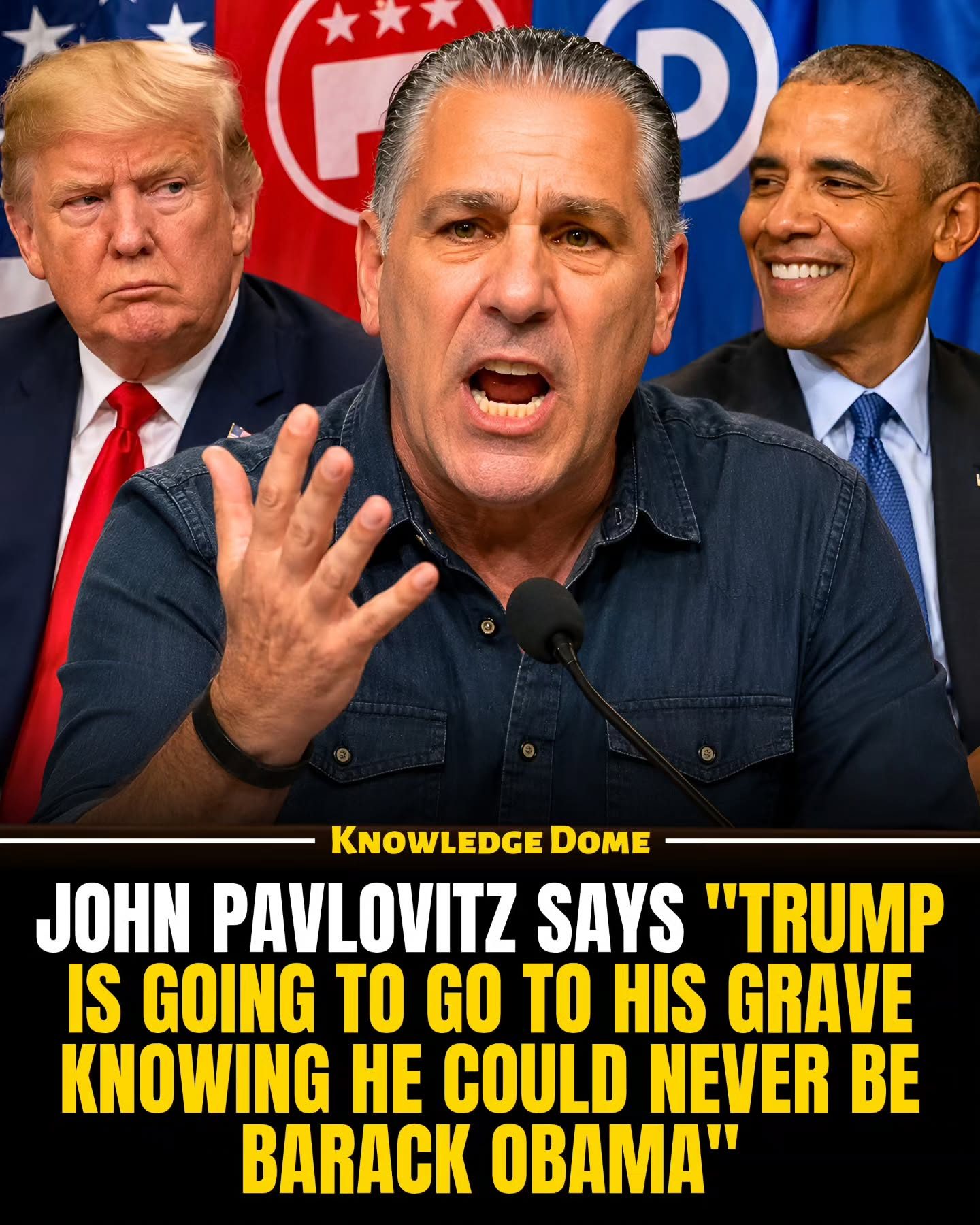
The Comparison Between Donald Trump and Barack Obama
John Pavlovitz, an author, blogger, and cultural commentator, made a striking statement contrasting Donald Trump and Barack Obama. His words ignited a lively discussion about the public image, respect, and legacy of these two former presidents. Pavlovitz's assertion that Trump will go to his grave knowing he could never be Barack Obama sparked a debate about the qualities that define a dignified presidency and the enduring impact of a leader's public image. This conversation delves into the nuances of political legacies and the public's perception of leadership.
Context / Why This Matters
The comparison between Trump and Obama transcends just politics. It touches on broader themes of respect, dignity, and legacy. Pavlovitz argues that Obama embodied a calm public image, strong moral respect, and global influence. These qualities, according to Pavlovitz, are not something that can be forced or bought, and they are integral to a leader's enduring legacy. This discussion matters because it highlights the public’s perceptions and expectations of leadership.
Main Discussion
Public Image and Moral Respect
One of the key points Pavlovitz makes is the contrast in public image and moral respect between Trump and Obama. Obama’s tenure is often remembered for his calm demeanor, eloquence, and a public image that exuded respect and dignity. In contrast, Trump’s presidency was marked by a more confrontational and divisive style, which often led to heated debates about his leadership.
Legacy and Influence
Legacy and influence are critical components of a leader's impact. Obama’s legacy is often highlighted by his global influence and major achievements, such as the Affordable Care Act and the Paris Agreement. These accomplishments have solidified his place in history and continue to shape global politics. Trump’s legacy, on the other hand, is more contentious and often judged by his policies, judicial appointments, and results.
Practical Tips
For those interested in understanding the dynamics of political legacies and public perceptions, here are some practical tips:
Evaluate Leadership on Multiple Dimensions
Leadership should be evaluated on multiple dimensions, not just political achievements. Consider the leader's public image, moral respect, and enduring impact. This holistic approach provides a more comprehensive view of a leader's effectiveness and legacy.
Engage in Constructive Dialogue
Engage in constructive dialogue about leadership and public perception. Encourage discussions that go beyond political affiliations and delve into the qualities that define a leader. This can foster a deeper understanding and appreciation of different leadership styles.
Reflect on Historical Context
Reflect on the historical context and the challenges each leader faced. This can provide a more nuanced understanding of their decisions and the impact they had on society.
Important Takeaways
The comparison between Trump and Obama underscores the importance of public image, moral respect, and enduring legacy in defining a leader’s impact. It highlights that leadership is not just about political achievements but also about the qualities that a leader embodies and the enduring influence they leave behind.
Conclusion
The debate sparked by John Pavlovitz's statement is a reminder of the complex nature of leadership and public perception. It encourages a more nuanced understanding of what defines a dignified presidency and the enduring impact of a leader's public image. Whether one agrees with Pavlovitz's assessment or not, the discussion underscores the importance of evaluating leadership on multiple dimensions and engaging in constructive dialogue about the qualities that define a leader.
Watch the Reel
Questions readers ask
What are the key aspects of a presidential legacy according to John Pavlovitz?
John Pavlovitz emphasizes that a presidential legacy is defined by public respect, moral dignity, and global influence. These qualities, he argues, are what set apart notable presidencies and create a lasting impact on both the nation and the world.
Why does Pavlovitz believe Trump lacks the quality of a strong presidency?
Pavlovitz argues that Trump lacks the moral dignity and public respect that are crucial for a strong presidency. He believes that Trump's leadership style and controversies have hindered his ability to achieve the level of respect and influence that Obama had during and after his presidency.
How does Obama's global influence compare to Trump's?
Obama is widely recognized for his strong global leadership and the respect he commanded on the world stage. In contrast, Trump's presidency was marked by a more isolated approach to international relations, which has left a different mark on his global image.
What role does public image play in the legacy of a president, according to the debate sparked by Pavlovitz?
Public image is crucial in shaping a president's legacy. A positive public image can enhance a leader's ability to inspire and unite, while a negative image can limit their effectiveness and influence. This debate highlights how the public's perception of a president's character and actions significantly impacts their lasting legacy.
What does Pavlovitz mean when he says Trump will go to his grave knowing he could never be Barack Obama?
Pavlovitz is suggesting that Trump, despite his efforts, will never achieve the level of respect, admiration, and enduring influence that Obama has in American and global politics. This statement underscores the vast difference in their legacies and the public's perception of their leadership.
Why does Pavlovitz's comparison of Trump and Obama extend beyond politics?
Pavlovitz's comparison touches on broader themes of respect, dignity, and legacy, which are relevant to all leaders, not just politicians. By examining the qualities that define a dignified presidency, the debate sparked by Pavlovitz offers insights into the enduring impact of a leader's actions and public image on society.
Recent articles
Fresh deep dives from the latest Reels we unpacked.




Comments
Be the first to comment.