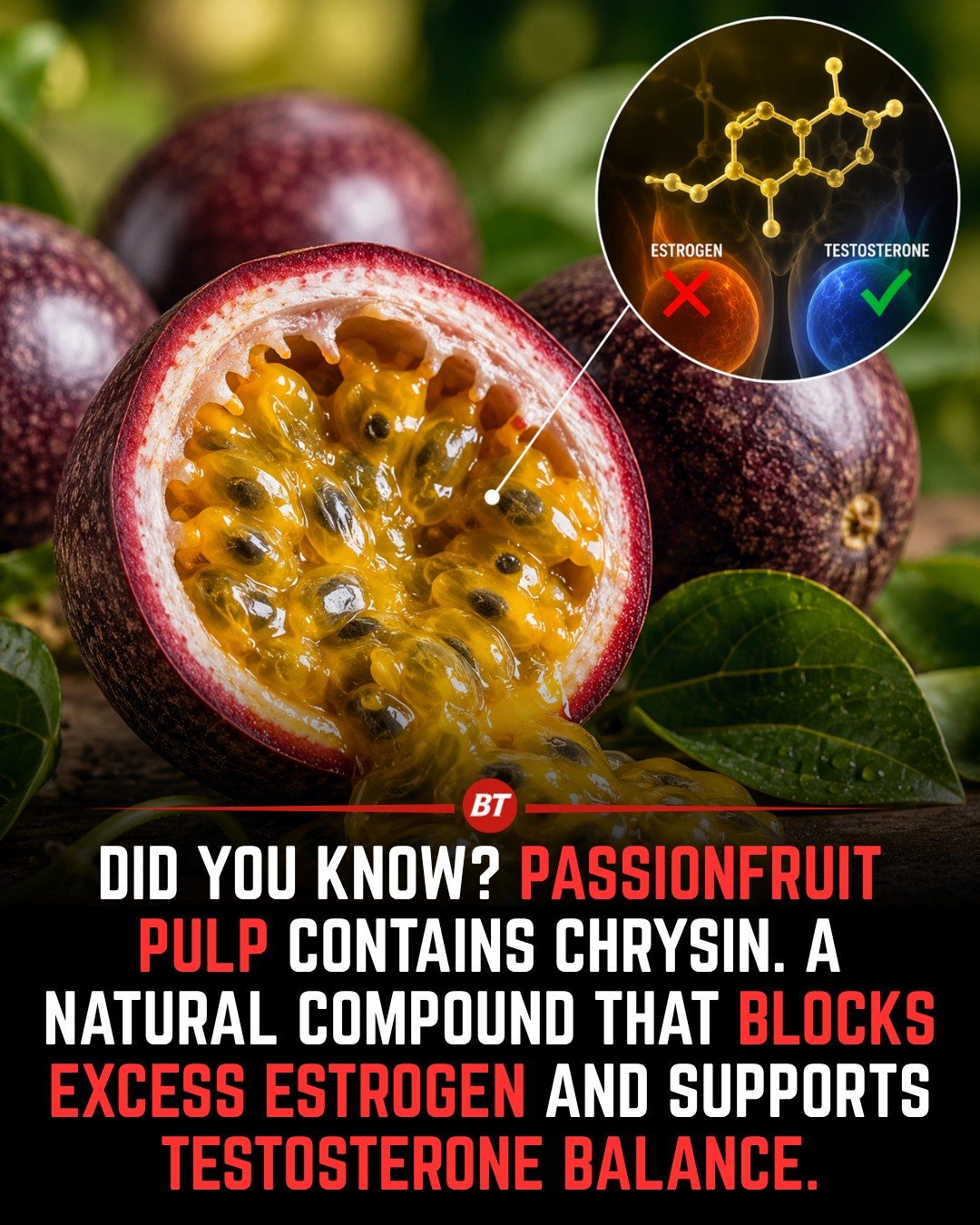
Passion Fruit: A Tropical Powerhouse of Compounds
Passion fruit is a tropical delight, known for its tangy flavor and vibrant color. Its benefits extend beyond its culinary appeal, as it is packed with unique plant compounds that have garnered scientific interest. The primary focus is on a specific component: chrysin, a natural compound found in the juicy pulp of passion fruit.
Why This Matters
Understanding the health benefits of passion fruit is crucial, as it can be incorporated into a balanced diet to support various aspects of well-being. This fruit is not only a delicious treat but also a source of essential nutrients and antioxidants that contribute to overall health.
The Power of Passion Fruit
Nutritional Composition
Passion fruit is rich in a variety of beneficial compounds. The pulp contains:
- Polyphenols: These antioxidants help protect cells from damage.
- Carotenoids: Known for their antioxidant properties, they support eye health and immune function.
- Vitamin C: Essential for immune function, collagen production, and oxidative stress protection.
- Flavonoids, including chrysin: These compounds are the focus of scientific research, particularly for their potential impact on hormone metabolism.
Chrysin: The Star Compound
Chrysin, a flavonoid found in passion fruit, has been the subject of numerous laboratory and animal studies. Researchers have investigated its potential effects on enzymes involved in hormone metabolism, specifically its ability to influence estrogen and testosterone balance.
Estrogen and Testosterone Balance
Chrysin may have the ability to block excess estrogen, which could be beneficial for maintaining hormonal balance. Some studies suggest that it supports testosterone levels by potentially inhibiting aromatase, an enzyme that converts testosterone to estrogen. However, it is important to note that while laboratory and animal studies have shown promising mechanisms, human studies have not consistently demonstrated that consuming passion fruit or chrysin significantly impacts estrogen or testosterone levels.
Practical Tips
Passion fruit can be easily incorporated into your daily diet. Here are some ways to enjoy this tropical fruit and reap its benefits.
Simple Ways to Enjoy Passion Fruit
- Fresh: Slice a ripe passion fruit in half and scoop out the pulp and seeds with a spoon.
- In Smoothies: Add the pulp to your favorite smoothie recipe for a tangy, nutrient-rich boost.
- With Yogurt: Mix the pulp and seeds into yogurt for a delicious and healthy breakfast.
- In Oatmeal: Sprinkle the seeds and pulp onto your oatmeal for added flavor and texture.
- Sparkling Water: Add the pulp to sparkling water for a refreshing drink.
Culinary Inspiration
Passion fruit can be used in various culinary applications. Its tangy flavor makes it a great addition to desserts, sauces, and dressings. You can:
- Make a Dressing: Blend the pulp with olive oil, vinegar, and herbs for a zesty salad dressing.
- Create a Sauce: Use the pulp in a sauce for grilled meats, poultry or fish dishes.
- Flavor Desserts: Add passion fruit pulp to cakes, puddings, or sorbets for a unique tropical twist.
Important Takeaways
- Nutritional Value: Passion fruit is a rich source of fiber, vitamin C, and antioxidants, supporting digestive health, immune function, and overall well-being.
- Chrysin: This natural compound in passion fruit has been studied for its potential effects on hormone metabolism, particularly in balancing estrogen and testosterone levels.
- Culinary Versatility: Passion fruit can be enjoyed in various ways, from fresh to incorporated into smoothies, yogurt, and desserts.
Conclusion
Passion fruit is more than just a tropical treat; it is a nutritional powerhouse. Packed with beneficial compounds and antioxidants, it supports overall health and well-being. Incorporating passion fruit into your diet is a delicious way to boost your intake of essential nutrients. Whether enjoyed fresh, in smoothies, or as part of a meal, passion fruit offers a unique and tangy flavor that enhances both your culinary experiences and your health.
Watch the Reel
Questions readers ask
What makes chrysin in passion fruit significant for hormone balance?
Chrysin is a flavonoid found in passion fruit that has been studied for its potential to influence hormone balance. It may help modulate estrogen and testosterone levels, making it a subject of interest for those looking to support hormonal health.
How can passion fruit benefit my diet beyond its flavor?
Passion fruit offers a range of health benefits. It is packed with essential nutrients, antioxidants, and beneficial plant compounds. By including it in your meals, you can enhance your intake of vitamins, minerals, and antioxidants that support overall health.
What are the key nutrients found in passion fruit?
Passion fruit is a rich source of vitamin C, vitamin A, and various B vitamins. It also contains dietary fiber and essential minerals like potassium and magnesium, all of which contribute to a balanced diet and overall well-being.
How does chrysin in passion fruit interact with estrogen levels?
Chrysin has been shown to have anti-estrogenic properties, meaning it may help inhibit the activity of aromatase, an enzyme that converts testosterone to estrogen. By doing so, it could help maintain a healthy balance of these hormones in the body.
Can passion fruit support testosterone levels?
Some studies suggest that chrysin in passion fruit may help support testosterone levels by inhibiting the conversion of testosterone to estrogen. This potential benefit makes passion fruit an interesting choice for those looking to maintain hormonal balance.
What are the primary plant compounds in passion fruit?
Passion fruit contains a variety of beneficial plant compounds, with chrysin being one of the most notable. Other compounds include antioxidants, polyphenols, and flavonoids that contribute to the fruit's health-promoting properties.
How much chrysin is typically found in a serving of passion fruit?
The exact amount of chrysin in a serving of passion fruit can vary, but it is generally present in the juicy pulp. To get a significant amount of chrysin, you would need to consume a substantial quantity of the fruit, which is a good reason to consider it as a part of your balanced diet.
Related deep dives
Similar reads based on topic and creator.




Recent articles
Fresh deep dives from the latest Reels we unpacked.




Comments
Be the first to comment.