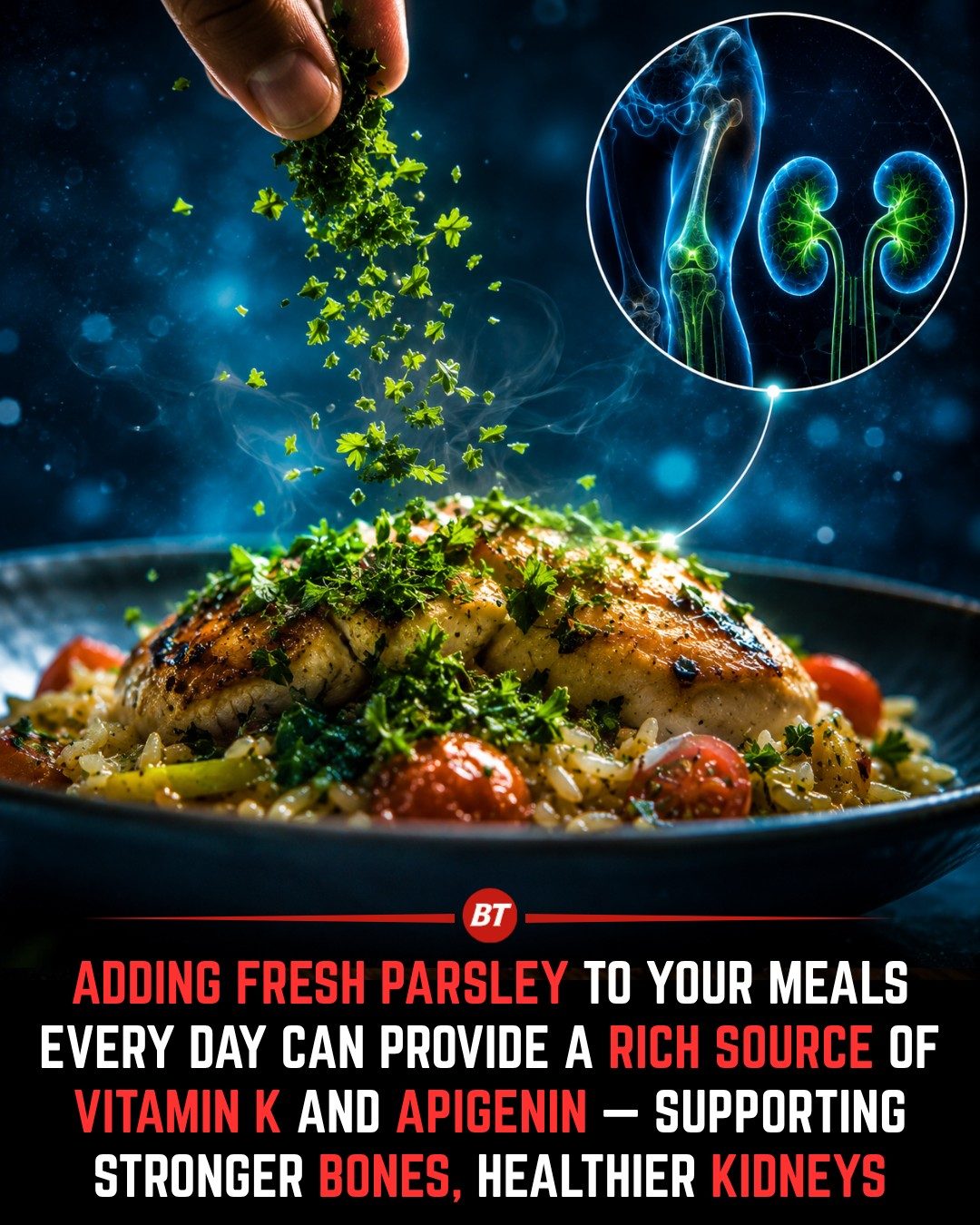
Parsley and its Health Benefits
Parsley, a common garnish often overlooked, is a powerhouse of nutrients that support various aspects of health. Beyond adding a burst of fresh flavor to dishes, parsley provides a rich source of essential vitamins and compounds that contribute to strong bones, healthy blood vessels, and robust antioxidant defenses.
Context
Why This Matters
Incorporating parsley into daily meals can offer significant health benefits without adding extra calories. Parsley is particularly notable for its high content of vitamin K and apigenin, two compounds that play crucial roles in maintaining overall health. Understanding these benefits can motivate the inclusion of parsley in a balanced diet.
Main Discussion
Vitamin K: Essential for Bone Health
Parsley is one of the richest sources of vitamin K, a nutrient essential for bone health. Vitamin K is involved in activating proteins that help incorporate calcium into bone tissue. Without adequate vitamin K, the body struggles to efficiently use calcium, which can lead to weaker bones over time. This makes vitamin K a vital partner for maintaining bone strength, especially as we age.
Apigenin: Antioxidant and Anti-Inflammatory Properties
In addition to vitamin K, parsley contains apigenin, a naturally occurring flavonoid known for its antioxidant and anti-inflammatory properties. A 2023 review published in Nutrients highlighted apigenin's potential to protect cells from oxidative stress while supporting healthy aging and cardiovascular function. Experimental studies have also explored its role in protecting the liver and kidneys from oxidative damage, although more human clinical studies are needed to confirm these benefits.
Beyond Vitamin K and Apigenin
While vitamin K and apigenin are the standout nutrients in parsley, this herb also provides other essential vitamins and minerals. Parsley is a good source of vitamin C, vitamin A, folate, and potassium. These nutrients work together to support immune function, collagen production, and overall metabolic health.
Practical Tips
Incorporating Parsley into Your Diet
Adding fresh parsley to your meals is an easy way to boost your intake of these beneficial compounds. Here are some practical ways to incorporate parsley into your daily diet:
- Sprinkle Fresh Parsley: Add fresh chopped parsley to a variety of dishes, such as eggs, grilled fish, roasted vegetables, soups, salads, or rice dishes.
- Mediterranean-Inspired Side: Combine parsley with olive oil, lemon juice, garlic, and tomatoes to create a fresh herb salad or a chimichurri-style topping.
Important Takeaways
Nutritional Powerhouse
Parsley is far more than just a garnish; it is a nutritional powerhouse. Regular consumption can provide a rich source of vitamin K, apigenin, vitamin C, vitamin A, folate, and potassium. These nutrients support bone health, immune function, and overall metabolic health.
Versatile and Easy to Use
One of the best aspects of parsley is its versatility. It can be easily incorporated into a wide range of dishes, adding both flavor and nutritional value without contributing extra calories.
Conclusion
Adding fresh parsley to your meals each day is a simple yet effective way to boost your intake of essential vitamins and compounds. From supporting bone health to enhancing antioxidant defenses, parsley offers numerous health benefits that make it a valuable addition to any diet. So, the next time you prepare a meal, consider sprinkling some fresh parsley on top for added flavor and nutrition.
Watch the Reel
Questions readers ask
How does vitamin K in parsley support bone health?
Vitamin K in parsley is essential for bone health because it aids in the regulation of calcium, a mineral crucial for maintaining bone strength. This vitamin helps to ensure that calcium is properly absorbed and utilized by the body, which is vital for preventing bone loss and reducing the risk of fractures.
What are some easy ways to include parsley in my daily meals?
Parsley can be easily incorporated into your daily meals by adding it to salads, soups, and sandwiches. You can also blend it into smoothies or use it as a garnish for main dishes. For a quick and easy method, chop fresh parsley and mix it into pasta, rice, or quinoa dishes.
How does apigenin in parsley contribute to overall health?
Apigenin, a flavonoid found in parsley, offers powerful antioxidant properties that help protect cells from damage caused by free radicals. This can reduce inflammation and support overall health, including kidney health. Additionally, apigenin has been shown to have anti-cancer properties, making parsley a beneficial addition to a balanced diet.
Can parsley help improve vascular function?
Yes, parsley contains compounds that can support vascular health. The antioxidant properties of apigenin and other beneficial nutrients in parsley can help protect blood vessels from damage, reducing the risk of cardiovascular diseases. Incorporating parsley into your diet may contribute to overall vascular function and heart health.
Is parsley a good source of daily nutrition?
Parsley is a rich source of daily nutrition, providing a variety of essential vitamins and minerals. It is particularly high in vitamin K and vitamin C, as well as antioxidants and folate. Adding parsley to your meals can help you meet your daily nutritional needs without adding extra calories, making it a valuable addition to a balanced diet.
Related deep dives
Similar reads based on topic and creator.




Recent articles
Fresh deep dives from the latest Reels we unpacked.




Comments
Be the first to comment.