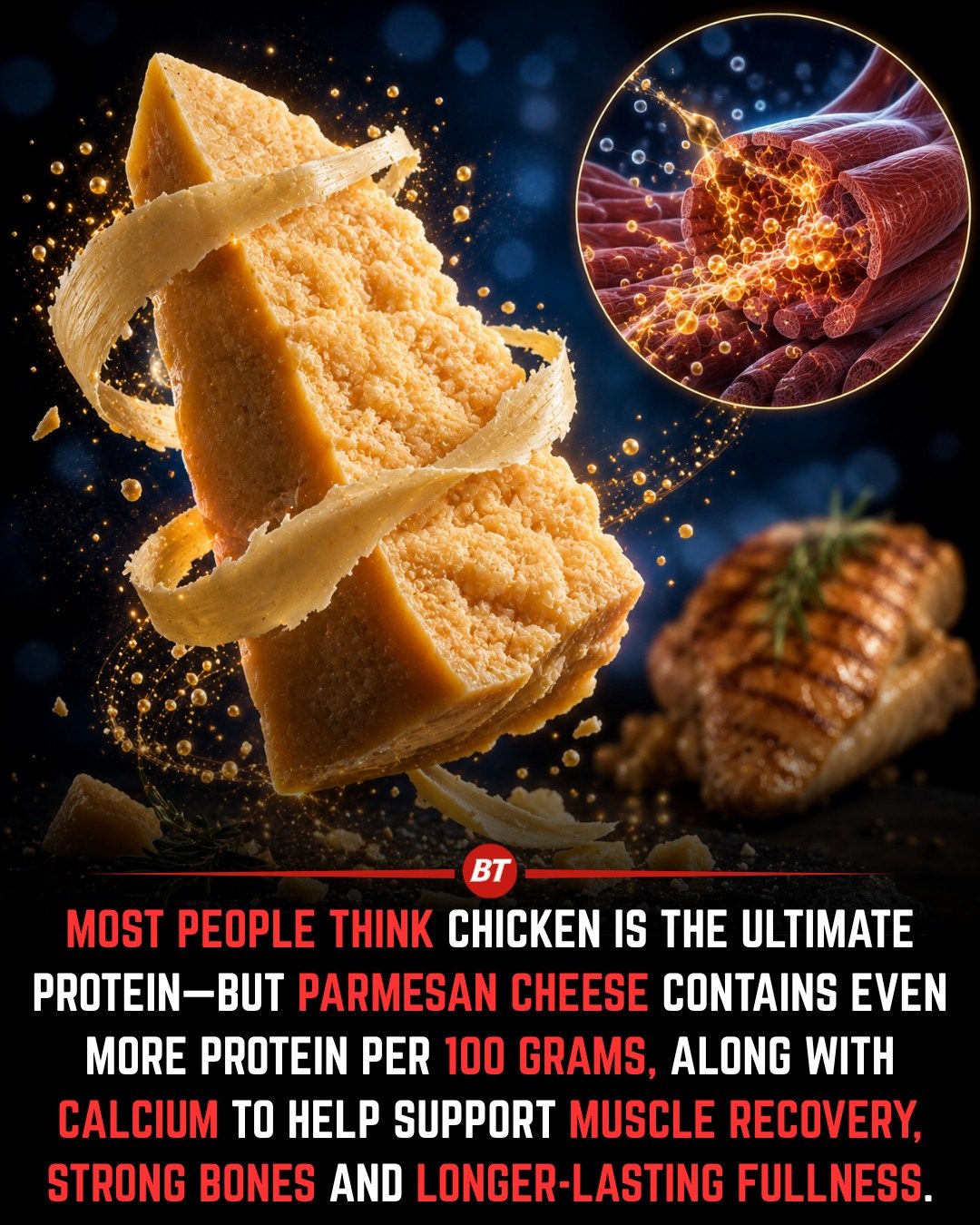
Parmesan Cheese: A Protein Powerhouse
Parmesan cheese is a staple in many kitchens, prized for its rich flavor and versatility. But did you know that gram for gram, it contains even more protein than chicken breast? This makes it an excellent addition to meals for those looking to boost their protein intake.
Why This Matters
Understanding the nutritional benefits of Parmesan cheese can help you make informed decisions about your diet. With its high protein and calcium content, Parmesan cheese offers more than just flavor; it supports muscle health, bone strength, and overall well-being.
Nutritional Profile of Parmesan Cheese
Protein Content
Parmesan cheese is renowned for its high protein content. A 100-gram serving of Parmesan provides around 35–38 grams of complete protein, which includes all nine essential amino acids. These amino acids are crucial for building and repairing muscle tissue, making Parmesan an excellent choice for athletes and anyone looking to maintain or build muscle mass.
Calcium and Phosphorus
Beyond its protein content, Parmesan cheese is one of the richest natural sources of calcium. Calcium is essential for strong bones and teeth, and it plays a vital role in muscle contraction, nerve signaling, and heart function. Phosphorus works alongside calcium to support these functions, making Parmesan a well-rounded nutritional powerhouse.
Other Beneficial Nutrients
In addition to protein, calcium, and phosphorus, Parmesan cheese is a good source of vitamin B12 and zinc. These nutrients are important for various bodily functions, including energy production, immune support, and cell growth.
The Aging Process
The nutritional benefits of Parmesan cheese are enhanced by its lengthy aging process. Parmesan is made by slowly aging cheese for many months, which removes moisture and naturally concentrates its nutrients. This process not only enhances the flavor but also increases the nutritional density of the cheese.
Practical Tips for Incorporating Parmesan Cheese into Your Diet
Versatility in Cooking
Parmesan cheese is incredibly versatile and can be used in a variety of dishes. Try sprinkling freshly grated Parmesan over roasted vegetables, eggs, soups, whole-grain pasta, or salads. Its rich flavor can add depth to any meal, making it a great addition to your culinary repertoire.
Pairing with Other Foods
To maximize the nutritional benefits of Parmesan cheese, pair it with lean proteins and plenty of vegetables. This combination will provide you with a balanced meal that is high in protein, calcium, and other essential nutrients.
Moderation is Key
While Parmesan cheese is exceptionally nutrient-dense, it is also naturally high in sodium. Enjoy it as a flavorful addition to meals rather than a primary protein source. Moderation is key to maintaining a balanced diet.
Important Takeaways
- Parmesan cheese contains more protein per 100 grams than chicken breast, making it a great source of complete protein.
- It is rich in calcium and phosphorus, which support muscle recovery, strong bones, and teeth, and play essential roles in muscle contraction, nerve signaling, and heart function.
- The aging process of Parmesan cheese concentrates its nutrients, making it a nutrient-dense addition to meals.
- Incorporate Parmesan cheese into your diet by adding it to a variety of dishes and pairing it with lean proteins and vegetables.
- Enjoy Parmesan cheese in moderation due to its high sodium content.
Conclusion
Parmesan cheese is more than just a flavorful addition to meals; it's a nutritional powerhouse. With its high protein and calcium content, it supports muscle health, bone strength, and overall well-being. By incorporating Parmesan cheese into your diet and pairing it with other nutrient-dense foods, you can enhance the nutritional value of your meals and enjoy its rich flavor.
Watch the Reel
Questions readers ask
How does the protein content of Parmesan cheese compare to chicken breast?
Parmesan cheese offers more protein per gram than chicken breast. While a 100-gram serving of chicken breast typically contains 31 grams of protein, the same serving size of Parmesan cheese provides around 35-38 grams of protein.
What are the benefits of Parmesan cheese for bone health?
Parmesan cheese is rich in calcium, which is crucial for maintaining strong and healthy bones. The high calcium content in Parmesan cheese can support bone density and reduce the risk of bone-related issues, making it a beneficial addition to a balanced diet.
Can Parmesan cheese help with muscle health?
Yes, Parmesan cheese is excellent for muscle health due to its high protein content. Protein is essential for muscle growth, repair, and maintenance, making Parmesan cheese a valuable component of a muscle-supporting diet.
How can I incorporate more Parmesan cheese into my meals?
Parmesan cheese is incredibly versatile and can be added to a variety of dishes. You can sprinkle it over pasta, salads, or soups, or use it as a topping for pizzas and casseroles. It can also be blended into sauces or used as a flavor enhancer in various recipes.
Is Parmesan cheese a good source of complete protein?
Yes, Parmesan cheese is a good source of complete protein. It contains all the essential amino acids that your body needs for various functions, including muscle repair, recovery, and overall health.
How much Parmesan cheese should I consume daily for optimal protein intake?
The recommended daily protein intake varies depending on factors such as age, sex, and activity level. To meet your daily protein needs, consider incorporating moderate amounts of Parmesan cheese into your meals. A serving size of 1-2 tablespoons (around 15-30 grams) can be a good starting point.
Related deep dives
Similar reads based on topic and creator.




Recent articles
Fresh deep dives from the latest Reels we unpacked.




Comments
Be the first to comment.