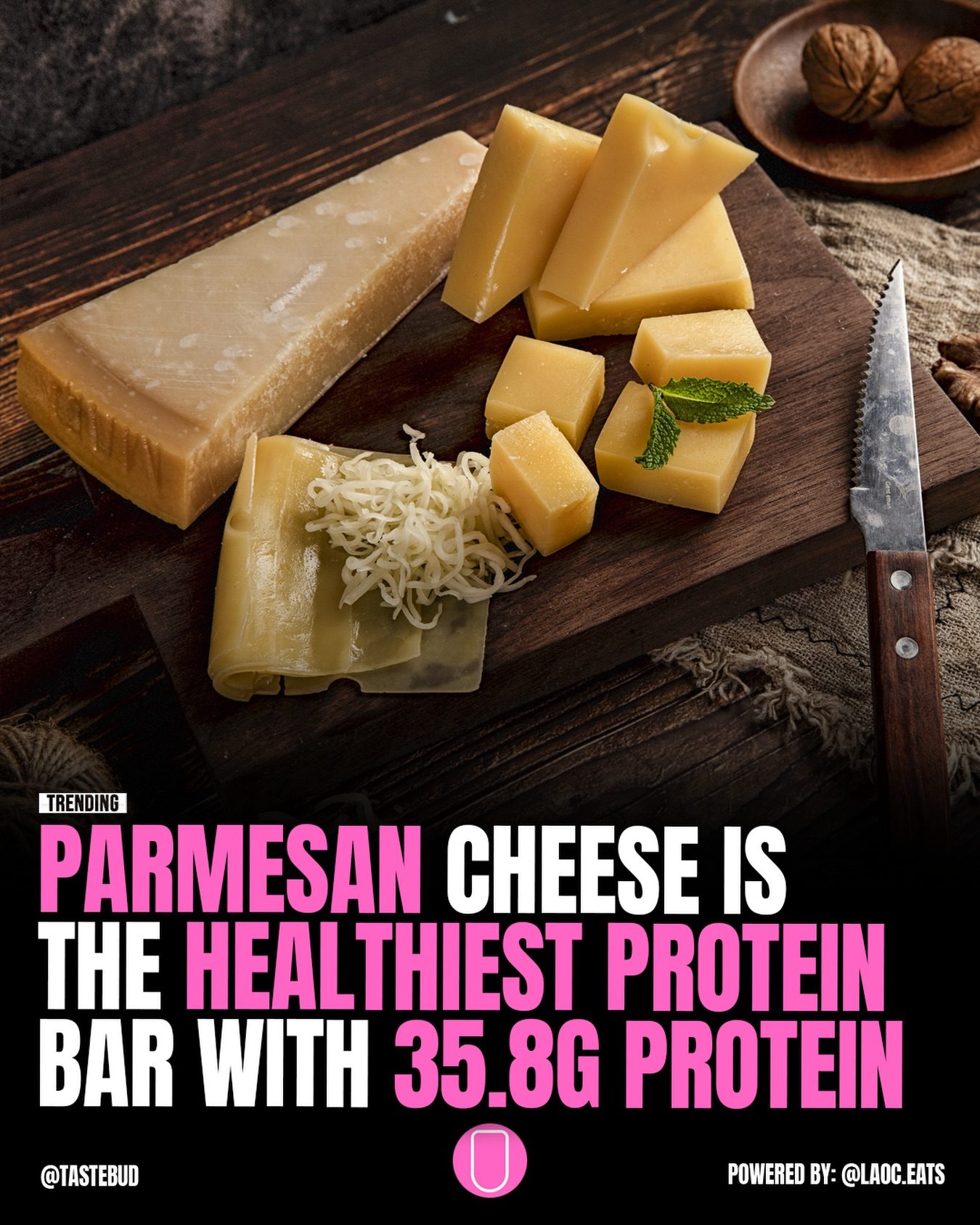
Parmesan Cheese: A Protein-Packed Snack
Parmesan cheese is a powerhouse of protein, often celebrated for its dense nutritional profile. With approximately 35 to 38 grams of protein per 100 grams, it stands out as a natural, high-protein snack. Its nutrient content, combined with its convenience and versatility, makes it a valuable addition to any diet.
Why This Matters
In today's health-conscious world, finding convenient and nutritious snack options is crucial. Parmesan cheese not only fits this bill but also offers a range of health benefits that make it a standout choice. Its high protein content, absence of added sugars, and lack of seed oils make it a simple yet powerful ingredient. Additionally, as an aged cheese, it provides complete protein, calcium, and essential micronutrients that support muscle maintenance and bone health.
Main Discussion
Nutritional Profile
Parmesan cheese is renowned for its high protein content, making it an excellent choice for those looking to increase their protein intake. With 35 to 38 grams of protein per 100 grams, it rivals many other protein sources. This high protein content is particularly beneficial for athletes, fitness enthusiasts, and anyone looking to maintain or build muscle mass. Protein is essential for muscle repair and growth, and Parmesan cheese delivers this nutrient in a compact, convenient form.
Another key aspect of Parmesan cheese is its nutritional simplicity. Unlike many processed foods, Parmesan cheese has no added sugars or seed oils. This makes it a clean, concentrated source of nutrients. The absence of added sugars is particularly important for those watching their sugar intake, as excess sugar can lead to various health issues, including weight gain and increased risk of chronic diseases.
Micronutrients and Health Benefits
As an aged cheese, Parmesan offers a host of micronutrients that support overall health. One of the most notable benefits is its high calcium content. Calcium is crucial for bone health and muscle function, and Parmesan cheese provides a substantial amount of this essential mineral. This makes it an excellent choice for those looking to support their bone health, especially as they age.
In addition to calcium, Parmesan cheese contains essential micronutrients that support various bodily functions. These include vitamins A, B12, and K, which play roles in everything from immune function to blood clotting. The complete protein profile of Parmesan cheese, which includes all nine essential amino acids, ensures that the body can effectively use the protein for various functions, including muscle repair and overall tissue health.
Convenience and Versatility
One of the standout features of Parmesan cheese is its convenience. It is compact and shelf-stable, making it easy to store and transport. This convenience makes it an ideal snack for busy individuals who need a quick, nutritious option on the go. Whether you're at work, traveling, or simply need a quick bite between meals, Parmesan cheese is a versatile snack that can be easily incorporated into your daily routine.
Furthermore, Parmesan cheese is incredibly versatile in the kitchen. It can be used in a variety of dishes, from salads and pasta to sandwiches and soups. Its strong, savory flavor adds depth to any recipe, making it a favorite among chefs and home cooks alike. This versatility means that incorporating Parmesan cheese into your diet can be both delicious and nutritious.
Practical Tips
Incorporating Parmesan Cheese into Your Diet
Adding Parmesan cheese to your diet can be both simple and delicious. Here are a few practical tips to help you incorporate this nutrient-dense snack into your daily routine:
- Snacking: Enjoy Parmesan cheese as a standalone snack. Its rich, savory flavor makes it satisfying on its own. Pair it with fruits, nuts, or crackers for a balanced snack.
- Salads and Sandwiches: Sprinkle grated Parmesan cheese over your favorite salads or sandwiches for an extra boost of protein and flavor. It pairs well with a variety of vegetables and meats.
- Pasta Dishes: Use Parmesan cheese to top your pasta dishes. It adds a depth of flavor and enhances the overall nutritional profile of the meal.
- Soups and Stews: Stir in some grated Parmesan cheese to your soups and stews to add richness and protein. It melts beautifully and complements a wide range of flavors.
- Baking and Cooking: Incorporate Parmesan cheese into your baking and cooking. It can be used in various recipes, from bread and muffins to casseroles and meatballs.
Finding High-Quality Parmesan Cheese
When choosing Parmesan cheese, look for high-quality, authentic varieties. Opt for Parmigiano-Reggiano, the authentic Italian Parmesan cheese, which is known for its superior taste and nutritional value. Avoid pre-grated or flavored varieties, as they often contain additives and have a lower nutritional profile.
Choosing the Right Product
When shopping for Parmesan cheese, be mindful of the packaging and labeling. Authentic Parmesan cheese will typically have a distinctive wheel shape and a certification from the Consortium of Parmigiano-Reggiano. This ensures that the cheese meets strict quality standards and is produced in the traditional way.
Pairing Parmesan with Other Foods
Parmesan cheese pairs exceptionally well with a variety of foods. Its rich, nutty flavor complements both sweet and savory ingredients. Here are a few pairing suggestions to enhance your culinary experience:
- Fruits: Pair Parmesan cheese with fruits like pears, apples, and grapes. The sweetness of the fruit balances the savory notes of the cheese.
- Nuts: Almonds, walnuts, and pistachios are excellent companions to Parmesan cheese. The crunch and nuttiness of the nuts complement the smooth, rich texture of the cheese.
- Meats: Parmesan cheese pairs beautifully with cured meats like prosciutto, salami, and pepperoni. The combination of rich, savory flavors creates a delightful taste experience.
- Vegetables: Use Parmesan cheese to top roasted vegetables, sautéed greens, or grilled vegetables. The umami flavor of the cheese enhances the natural sweetness of the vegetables.
- Wine: For a sophisticated pairing, enjoy Parmesan cheese with a glass of full-bodied red wine, such as Chianti or Cabernet Sauvignon. The tannins in the wine complement the richness of the cheese, creating a harmonious pairing.
Storing Parmesan Cheese
Proper storage is essential to maintain the quality and flavor of Parmesan cheese. Store it in an airtight container in the refrigerator to prevent it from drying out. This will help retain its rich, savory flavor and ensure that it stays fresh for as long as possible.
Important Takeaways
Parmesan cheese is a nutrient-dense, high-protein snack that offers a range of health benefits. Its nutritional simplicity, combined with its convenience and versatility, makes it a valuable addition to any diet. Whether you enjoy it as a standalone snack or incorporate it into your meals, Parmesan cheese provides a delicious way to boost your protein intake and support overall health. ,
As with any food, individual dietary needs may vary, so it's important to consult with a healthcare provider or registered dietitian before making significant changes to your diet.
Conclusion
Parmesan cheese stands out as a nutrient-dense, high-protein snack with a wealth of health benefits. Its convenience, versatility, and rich, savory flavor make it a valuable addition to any diet. By incorporating Parmesan cheese into your meals and snacks, you can enjoy a delicious and nutritious way to support your overall health and well-being.
Watch the Reel
Questions readers ask
How much protein does Parmesan cheese contain?
Parmesan cheese is exceptionally high in protein, containing approximately 35-38 grams per 100 grams, making it one of the best natural sources of protein.
What are the benefits of Parmesan cheese for muscle health?
The high protein content in Parmesan cheese makes it an excellent choice for muscle health. Protein is essential for muscle repair and growth, and Parmesan cheese provides this in abundance.
Is Parmesan cheese a good snack for bone health?
Yes, Parmesan cheese is beneficial for bone health due to its high calcium content and complete protein profile. These nutrients are crucial for maintaining strong bones and preventing conditions like osteoporosis.
How does Parmesan cheese compare to protein bars as a snack?
Parmesan cheese is a natural, low-carb protein source. It lacks the added sugars and seed oils often found in protein bars, making it a healthier and more convenient alternative for a protein-packed snack.
Can Parmesan cheese help with muscle building?
Absolutely! Its high protein content makes Parmesan cheese an excellent addition to a muscle-building diet. It provides the necessary amino acids for muscle synthesis and repair.
Why is Parmesan cheese considered a complete protein?
Parmesan cheese is considered a complete protein because it contains all nine essential amino acids that the human body cannot produce on its own. This makes it a valuable component of a balanced diet.
Is Parmesan cheese a suitable choice for a low-carb diet?
Yes, Parmesan cheese is an ideal choice for a low-carb diet. It is high in protein and fat, with minimal carbohydrates, making it a satisfying and nutrient-dense snack for those on a low-carb regimen.
Related deep dives
Similar reads based on topic and creator.




Recent articles
Fresh deep dives from the latest Reels we unpacked.




Comments
Be the first to comment.