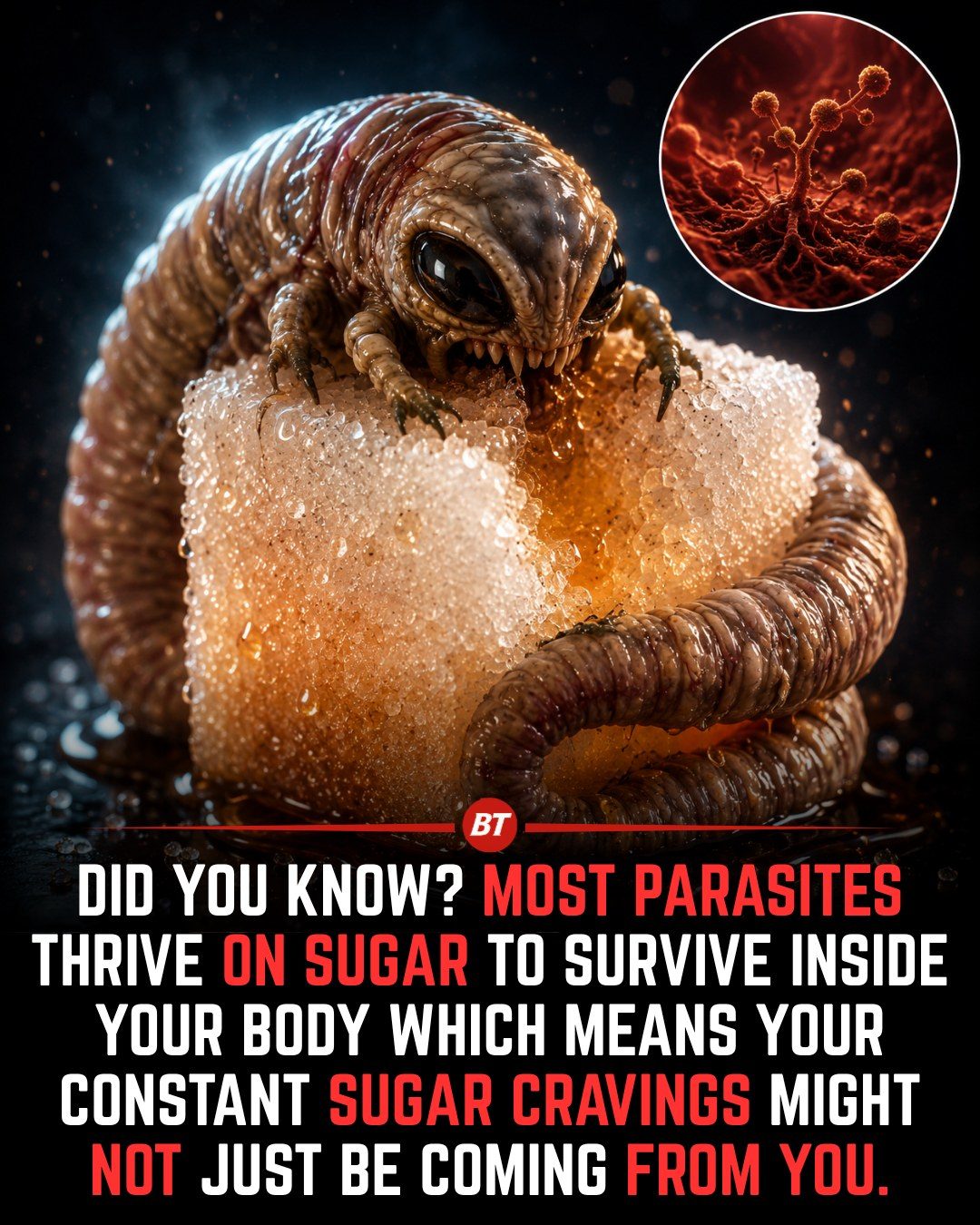
Sugar Cravings: Are They Always Just About Willpower?
Sugar cravings are a common experience, but their origins might be more complex than simply a lack of willpower. Recent studies suggest that parasites and other microorganisms in our digestive system could play a role in influencing our food preferences and appetite.
Why This Matters
Understanding the root causes of sugar cravings can help individuals make more informed decisions about their diet and overall health. While willpower plays a significant role, there are other factors at play that could be influencing these cravings.
The Connection Between Sugar and Parasites
Some laboratory and animal studies suggest that certain parasites and other microorganisms depend on glucose to survive and grow. This has led researchers to investigate whether the microbes living in our digestive tract could influence appetite and food preferences. The gut and brain are closely connected through the gut–brain axis, a communication network that helps regulate hunger, metabolism, and cravings. This axis plays a crucial role in how our body responds to food and how we feel about what we eat.
The Role of Parasites
Parasites are organisms that live on or in a host and derive nourishment at the host's expense. Some parasites thrive on glucose, which is a type of sugar. This means that sugar cravings could potentially be a result of parasites in the body trying to fulfill their nutritional needs. While there is no strong evidence that common human parasites directly cause sugar cravings, researchers continue to explore how changes in the gut environment may affect the signals sent between the digestive system and the brain.
The Gut-Brain Connection
The gut-brain axis is a communication network between the central nervous system and the enteric nervous system. This network helps regulate hunger, metabolism, and cravings. The gut and brain are closely connected, and this connection can influence our food preferences and appetite. When our gut environment changes, it can send different signals to the brain, potentially influencing our cravings.
The Impact of Sugar on the Body
While there is no strong evidence that common human parasites directly cause sugar cravings, diets high in added sugars and ultra-processed foods can disrupt the balance of beneficial gut bacteria. This disruption can lead to various health issues, including increased sugar cravings.
The Impact of a High-Sugar Diet
A diet high in added sugars and ultra-processed foods can lead to an imbalance in the gut microbiome. This imbalance can cause various health issues, including increased sugar cravings. Eating more fiber-rich fruits and vegetables, including fermented foods when possible, and focusing on a balanced whole-food diet can help support a healthier gut environment.
Practical Tips
If you're looking to curb your sugar cravings, consider the following tips:
- Eat more fiber-rich fruits and vegetables: These foods can help support a healthier gut environment, which can potentially reduce sugar cravings.
- Include fermented foods in your diet: Fermented foods can help support a healthier gut microbiome, which can potentially reduce sugar cravings.
- Focus on a balanced whole-food diet: Eating a balanced diet can help support overall digestive and metabolic health, which can potentially reduce sugar cravings.
Important Takeaways
*The gut-brain axis plays a crucial role in regulating hunger, metabolism, and cravings. *A diet high in added sugars and ultra-processed foods can disrupt the balance of beneficial gut bacteria, potentially leading to increased sugar cravings. *Eating more fiber-rich fruits and vegetables, including fermented foods, and focusing on a balanced whole-food diet can help support a healthier gut environment, which can potentially reduce sugar cravings.
Conclusion
Sugar cravings are a common experience, but their origins might be more complex than simply a lack of willpower. Understanding the potential role of parasites and the gut-brain connection in influencing food preferences and appetite can help individuals make more informed decisions about their diet and overall health. While more research is needed to fully understand the connection between sugar cravings and parasites, maintaining a healthy gut environment through a balanced diet can potentially help reduce these cravings.
Watch the Reel
Questions readers ask
How do parasites in the gut influence sugar cravings?
Parasites, particularly those that are glucose-dependent, may manipulate host behavior to increase sugar intake, thereby fulfilling their nutritional needs. This can result in increased cravings for sugary foods, as the parasites seek to ensure their survival and growth.
What is the gut-brain connection in relation to sugar cravings?
The gut and brain are linked through a complex network of neurons, hormones, and the immune system. Parasites and other microorganisms in the gut can send signals to the brain, influencing food preferences and cravings, including those for sugar.
Can addressing gut health help reduce sugar cravings?
Improving gut health, such as through a balanced diet or probiotics, may help reduce sugar cravings by promoting a healthy microbiome and reducing the influence of glucose-dependent parasites. However, more research is needed to determine the extent of this effect.
What are some common parasites that might contribute to sugar cravings?
Some common parasites that may influence sugar cravings include Toxoplasma gondii, a parasite that can affect the brain and behavior, and certain intestinal worms that depend on glucose for energy. However, the exact mechanisms and extent of their influence on sugar cravings are still being studied.
How can I tell if my sugar cravings are due to parasites?
It can be challenging to determine if sugar cravings are due to parasites, as many factors can influence food preferences. If you experience persistent, intense sugar cravings along with other symptoms like digestive issues, fatigue, or unexplained weight loss, it may be worth consulting a healthcare provider for further evaluation.
Can treating parasites help with sugar cravings?
If parasites are identified and treated, some individuals may experience a reduction in sugar cravings. However, results can vary, and it's important to work with a healthcare provider to address the underlying causes of sugar cravings, which may include factors beyond parasites.
What role do microorganisms play in influencing food preferences?
Microorganisms in the digestive system, including both parasites and beneficial bacteria, can influence food preferences by producing various compounds and hormones. These can send signals to the brain, affecting appetite and cravings, including those for sugar.
Related deep dives
Similar reads based on topic and creator.




Recent articles
Fresh deep dives from the latest Reels we unpacked.




Comments
Be the first to comment.