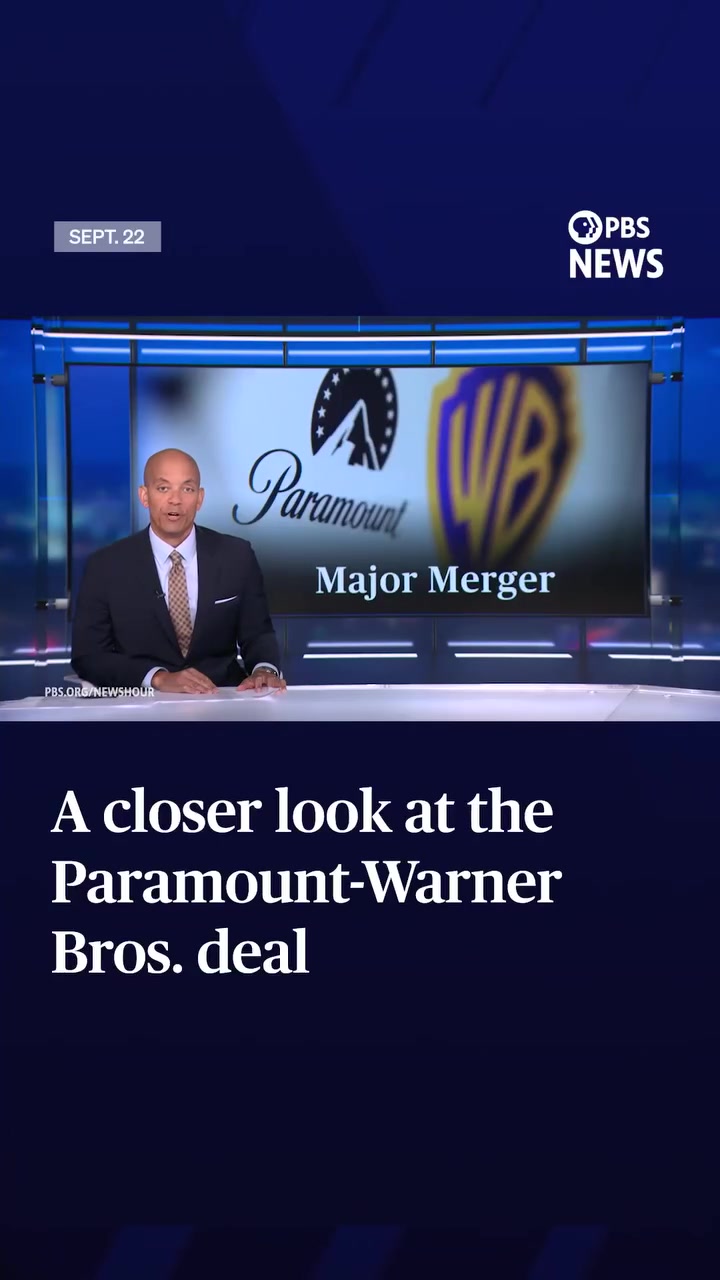
The Biggest Merge yet — a 150 years of Hollywood
Hollywood is set to get a tectonic shift in its storied landscape. Paramount and Warner Bros. Discovery are on the brink of merging, a deal valued at $111 billion. California Attorney General Rob Bonta remains concerned despite a settlement agreement between Paramount Skydance and a group of state attorneys. The proposed merger, if and when approved, will stitch together major film studios, streaming services, and a slew of cable channels under a single corporate umbrella. Paramount touts 70,000 employees in 50 countries, producing 2000 hours of content a year. Warner Bros Discovery is owned by the Comcast/Disney-led consortium that owns HBO and Warner Bros. Discovery. The deal is now with the New York Supreme Court for final approval. Later that day, California Attorney General Rob Bonta does not reject the settlement. He does not reject it outright, but acknowledges that more consolidation in the entertainment and streaming sectors — especially in core areas of the American economy — could harm consumers and competition. To sweeten the deal for legislators, Paramount's Board has agreed to an editorial oversight board to ensure journalistic independence. Paramount has not agreed to increase the number of films or shows released in theaters. Critics have serious doubts about management's oversight of the editorial board, particularly Paramount's right to choose the five members. The board can't be formed for 180 days, so consultants could potentially overhaul CBS and CNN without any oversight. Yet, critics like the Writers Guild and Mark Ruffalo question if the deal is legally binding. The Guild and other concerned people believe the settlement might not safeguard enough rights for consumers and workers. Rob Bonta and Kara Swhisher also have concerns. Are the uncomfortable questions over?
The Implications of An Unprecedented Media Behemoth
The implications of this merger are enormous. Critics question whether it will actually protect consumers and competition. Some say Attorney General Rob Bonta and colleagues specific key conditions are merely "behavioral remedies." The creation of the editorial independence board, for instance, is seen by some as just a "fig leaf" for management. This concern reflects a broader unease about the growing power of media conglomerates and their potential impact on media pluralism. California Attorney General Rob Bonta is still concerned about the merger and whether it does enough to prevent monopoly power. Yet, it is a significant step in the ongoing consolidation of the media industry. The merger would bring together some of the most iconic names in entertainment, creating a powerhouse that could rival even the biggest tech companies. The deal's specifics, including the $1.5 billion investment in homegrown film production, reveal the strategic importance of production and will potentially cement Paramount's and Warner Bros. Discovery's competitive edge in the streaming wars. For industry watchers, this merger represents a pivotal moment in the evolution of media, underscoring the need for vigilant antitrust oversight. For Paramount and Warner Bros. Discovery, the merger would have several ramifications. One of the significant ones is the creation of an editorial independence board to support CBS News and CNN. The boards are meant to protect the editorial integrity of these news organizations from corporate interference. However, critics have raised concerns about the board's effectiveness, particularly given that Paramount itself will select the board members. There's a fear that the board might end up being a mere formality, lacking the teeth to enforce real editorial independence.
Paramount’s Pixelated Conditions — A Deal Review
The settlement includes several key conditions that Paramount must meet. For instance, Paramount is required to release 30 films in theaters per year for the first two years. This condition aims to ensure that the merger does not lead to a reduction in theatrical releases, which could harm independent theaters and film distributors. However, critics point out that Paramount can co-produce half of these films, potentially diluting the impact of this condition.
Economic Impact on Workers
Often, mergers result in job losses. This too can have a similar outcome. Workers in affected roles will need to adapt, and their job insecurity could increase. Employees in back-office functions, communications, and publicity, as well as those in HR and legal roles, could be particularly vulnerable. Synergies between Warner Brothers Discovery and Paramount will likely result in a reduction in workforce which will save costs. The merged entity will be under billions of dollars in debt, and will need to find significant cost savings. This could result in job losses in the future as well.
Losing Jobs
When two giants merge, synergies happen. It could be in redundant staff. The combination of Warner Brothers Discovery and Paramount could lead to a significant number of layoffs in the entertainment sector. These layoffs could affect various departments, including communications, publicity, HR, and legal roles. The merged entity's debt will necessitate cost savings, which could result in further job losses in the future.
In Paramount's Pursuit of CBS's Editorial Independence
The deal includes the creation of an editorial independence board to support CBS News and CNN. Critics are skeptical, however, about the board's effectiveness. They point out that Paramount will select all five board members, which could compromise the board's independence. Additionally, the board does not have to be formed for 180 days, leaving CBS and CNN vulnerable to corporate interference during this period. Critics like Kara Swisher have dubbed the board a "fig leaf" for management, suggesting that it may not have real power to enforce editorial independence.
- Supported Problem: Your favorite media business might be rocked by layoffs.
- Unsupported Problem: The movie theaters as we know them might disappear It's possible that the number of films released in theaters could decrease, potentially impacting independent theaters and film distribution. However, Paramount's requirement to release 30 films in theaters per year for the first two years aims to mitigate this risk. So far, we have not yet seen a concerted effort to shut down movie theaters. Big ticket releases in big screens is what keeps the industry afloat and we don't see that changing.
Blacklisted
If you work in communications, publicity, HR, or legal roles in the entertainment industry, it might be time to polish your resume. The merger of Warner Brothers Discovery and Paramount could lead to significant layoffs in these departments as the companies look to consolidate and achieve synergies. And if you're a fan of independent theaters or film distribution, keep an eye on Paramount's theatrical release commitments. The $1.5 billion investment in homegrown film production could also have significant implications for the US film industry. This merger is just the latest example of the ongoing consolidation in the media industry, and it remains to be seen how it will ultimately impact consumers, competition, and the broader economy. Only time and judicial oversight will tell if this mega deal passes muster with the antitrust regulators.
Watch the Reel
Related deep dives
Similar reads based on topic and creator.

Recent articles
Fresh deep dives from the latest Reels we unpacked.




Comments
Be the first to comment.