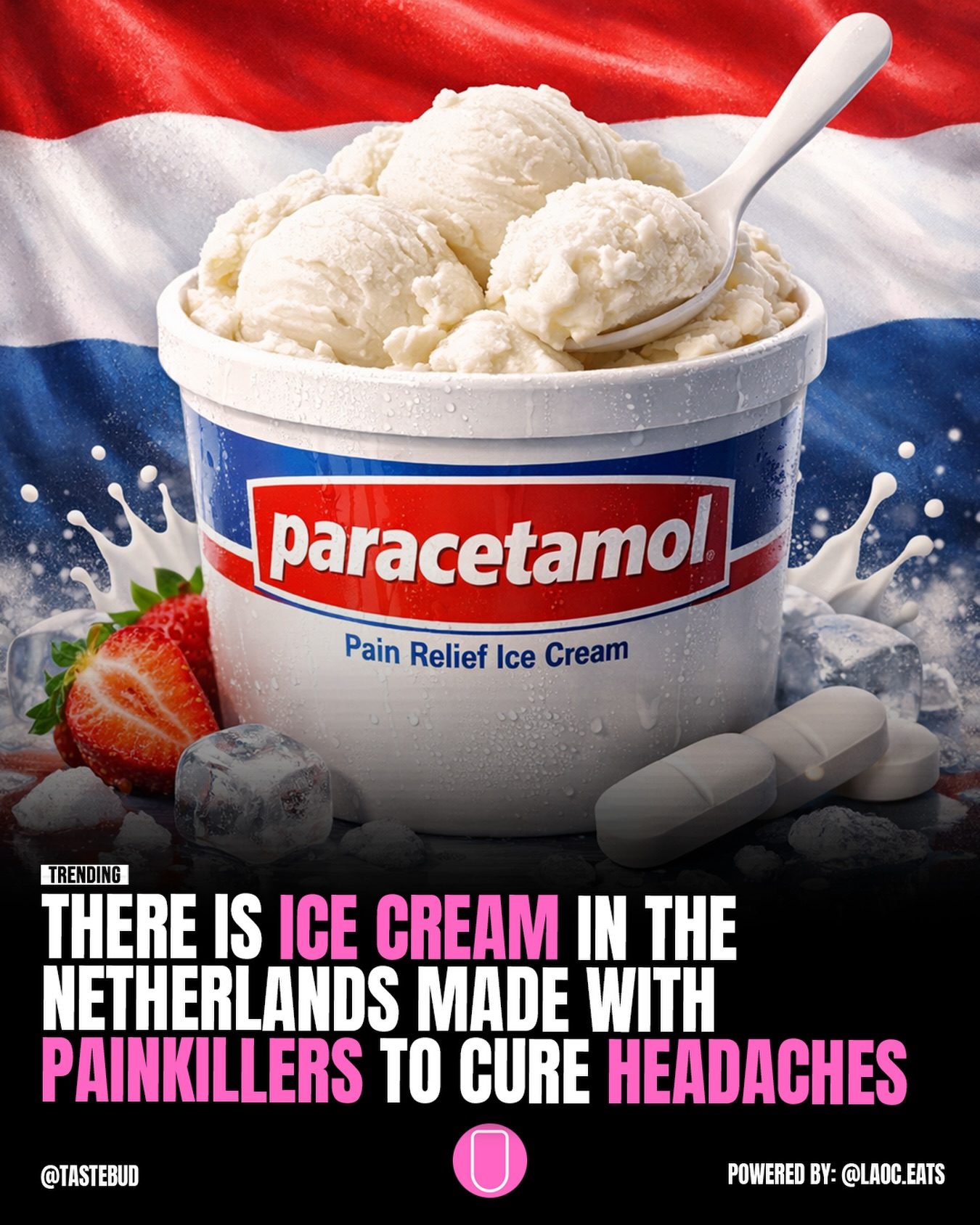
Ice Cream with Painkillers
Ice cream containing paracetamol is an innovative concept gaining attention in the Netherlands. The idea is simple yet intriguing: combine a beloved dessert with a common pain reliever to offer a dual benefit of enjoying a cold treat while alleviating headaches. This concept has sparked both curiosity and controversy, particularly among health experts who have raised concerns about safety and regulation.
What This Means
The idea of combining food and medication is not entirely new, but the direct infusion of a pain reliever into ice cream introduces unique challenges. Paracetamol, also known as acetaminophen, is a widely used over-the-counter medication for pain and fever relief. Its integration into ice cream could offer a convenient way to manage headaches, especially for those who enjoy a sweet treat to soothe pain. However, the novelty of this concept also highlights the need for thorough consideration of potential risks and regulatory oversight.
Benefits and Risks
Potential Benefits
Paracetamol is a well-known pain reliever with a long history of safe use. Here are potential advantages of this unique combination:
- Convenience: For those who frequently suffer from headaches, having a tasty treat that also provides relief could be a welcome convenience.
- Enhanced Enjoyment: Enjoying a cold, creamy dessert while experiencing pain relief might enhance the overall experience.
Safety Concerns
While the idea is intriguing, health experts have expressed several concerns:
- Dosage Control: One of the primary concerns is the difficulty in controlling dosage. Traditional pain relievers come with precise dosing instructions, which are crucial for safety. Incorporating paracetamol into ice cream could make it challenging for individuals to accurately measure their intake, leading to potential overdoses.
- Regulatory Challenges: The combination of food and medication requires strict regulation to ensure safety. Food products undergo different regulatory processes compared to pharmaceuticals, and combining the two would necessitate new protocols to guarantee consumer safety.
- Interactions and Allergies: Mixing medication with food could also introduce unforeseen interactions, especially for individuals with food allergies or dietary restrictions. The risk of allergic reactions or adverse interactions with other medications must be carefully evaluated.
Practical Considerations
Several practical considerations need to be addressed before this concept can be widely adopted:
Consumer Education
Proper education for consumers is essential. People need to understand how to safely consume this unique product, including the correct dosage and potential risks. Clear labeling is crucial, and consumers should be made aware of the importance of following dosage instructions carefully.
Regulatory Framework
Developing a regulatory framework for products that combine food and medication is a significant challenge. This would require collaboration between health authorities, food safety agencies, and pharmaceutical regulators to establish guidelines that ensure consumer safety. Regulatory bodies would need to consider factors such as dosage, labeling, and potential interactions.
Market Potential
The market potential for a pain-relieving dessert is intriguing. Consumer interest in innovative and multifunctional products is high, and this concept could appeal to those who enjoy unique culinary experiences. However, the success of such a product would depend on addressing the safety and regulatory concerns effectively.
Practical Tips
If you're curious about this concept, here are some practical tips to consider:
- Consult a Healthcare Provider: Always consult with a healthcare provider before trying any new pain relief method, especially if it involves medication.
- Read Labels Carefully: Pay close attention to the dosage and ingredient information on the label. Ensure you understand how much medication is in each serving.
- Stay Informed: Keep up-to-date with regulatory developments and recommendations from health experts before trying any new product that combines food and medication.
Important Takeaways
The idea of ice cream containing paracetamol is a novel concept that offers both potential benefits and significant challenges. The convenience of enjoying a tasty dessert while experiencing pain relief is appealing, but it must be balanced with careful consideration of the risks and the need for strict regulation. This concept highlights the importance of consumer education and the development of a robust regulatory framework to ensure safety.
Conclusion
Ice cream containing paracetamol represents an exciting yet challenging innovation in the world of food and medication. While the idea of enjoying a cold, sweet treat that also relieves pain is intriguing, it is essential to address the concerns raised by health experts. Proper regulation, consumer education, and careful consideration of potential risks are crucial steps in making this concept a safe and viable option. As with any new product, thorough evaluation and adherence to safety guidelines are key to ensuring a positive experience.
Watch the Reel
Questions readers ask
What is paracetamol ice cream and why is it controversial in the Netherlands?
Paracetamol ice cream is a unique food concept in the Netherlands that combines a popular dessert with a common pain reliever. The controversy surrounds safety concerns, particularly how to regulate and control the dosage of the medication in a food item.
How does paracetamol ice cream work for headache relief?
Paracetamol, also known as acetaminophen, is a pain reliever typically used to treat headaches. In ice cream, the idea is to offer a more enjoyable way to consume the medication, potentially alleviating headaches while indulging in a sweet treat.
What are the potential safety concerns about paracetamol ice cream?
The main concern is the inability to accurately control the dosage of paracetamol in a food item, as it is hard to tell how much medication is being consumed. It also poses risk of accidental overconsumption, particularly for children or those unaware of the medication in the food.
How is the Dutch government responding to the introduction of paracetamol ice cream?
Health experts are calling for stricter regulations to ensure the safety of consumers, including guidelines on the dosage of paracetamol in food. The Dutch government has not yet issued an official response, but the concerns raised by experts are likely to influence future decisions.
Are there any other foods that contain pain relievers?
While paracetamol ice cream is a unique and novel concept, other foods containing medication are rare. Most medications are not typically integrated into food items due to the challenges related to dosage control and safety, as well as the need to ensure the medication remains effective.
Is it safe to give paracetamol ice cream to children?
No, it is not recommended to give paracetamol ice cream to children. Strict dosage control is necessary when it comes to giving medication to children, and food items like ice cream do not provide accurate or safe dosage levels.
Related deep dives
Similar reads based on topic and creator.




Recent articles
Fresh deep dives from the latest Reels we unpacked.




Comments
Be the first to comment.