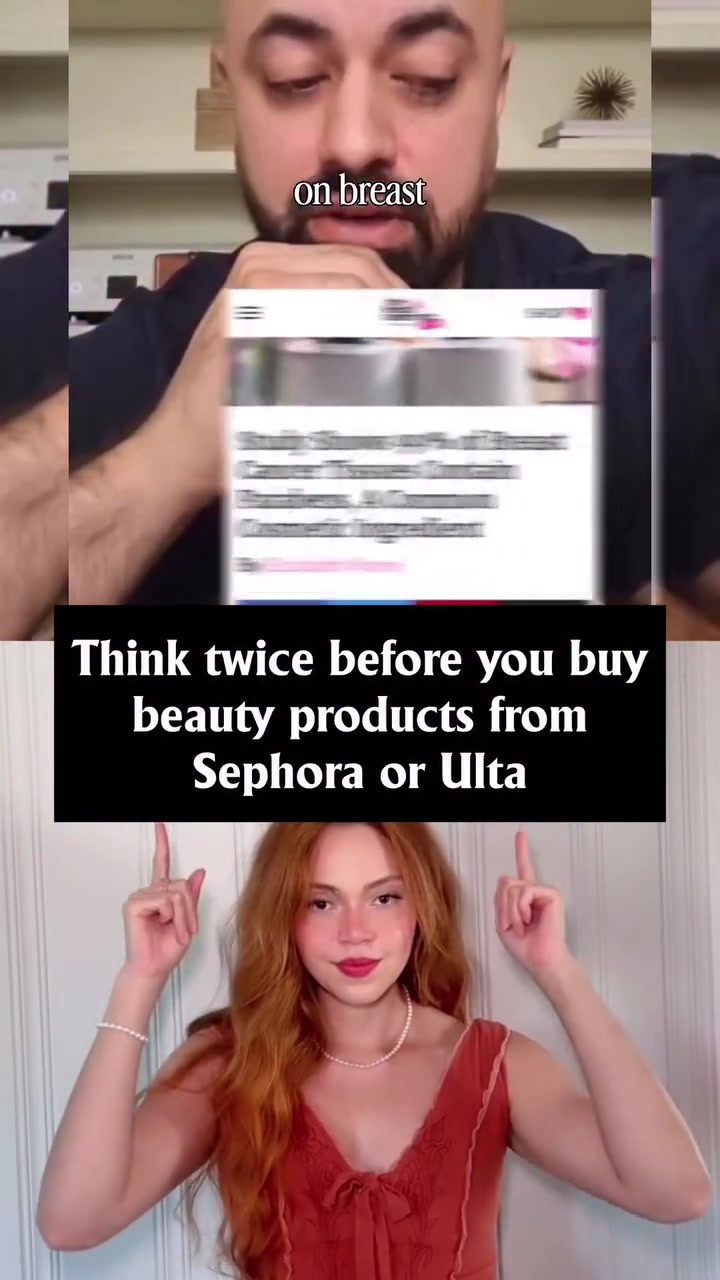
Beauty Products and Parabens: Understanding the Risks
Beauty products are a staple in many routines, enhancing our appearance and boosting our confidence. However, hidden within many of these products are compounds that could potentially harm our health in the long run. One such group of compounds is parabens.
Why this matters
When browsing beauty products at stores like Sephora, it's easy to be drawn in by the promises of radiant skin and flawless makeup. However, a closer look at the ingredients lists may reveal potential hidden dangers. Parabens, commonly used as preservatives in cosmetics, have been linked to serious health concerns, including hormone disruption and breast cancer. Understanding the risks associated with these chemicals is crucial for making informed choices about the products we use daily.
Main discussion
What are parabens?
Parabens are a group of chemicals widely used as preservatives in cosmetics, pharmaceuticals, and food. They are effective at preventing the growth of bacteria and fungi, extending the shelf life of products. Common parabens include methylparaben, ethylparaben, propylparaben, and butylparaben. These chemicals are found in various beauty products, from moisturizers and foundations to shampoos and makeup.
The health concerns
The primary concern with parabens is their potential to disrupt hormones in the body. They mimic estrogens, which can interfere with the body's endocrine system. Hormone disruption has been linked to various health issues, including infertility, early puberty, and certain types of cancer. A study conducted in the UK analyzed 20 breast tumors and found parabens in 95% of them. This alarming statistic highlights the potential risks associated with long-term exposure to these chemicals.
In the European Union, the use of many parabens is completely banned due to their potential health risks. In contrast, Canada and the U.S. have fewer restrictions, allowing these chemicals to be used freely in cosmetics. The U.S. Food and Drug Administration (FDA) currently considers parabens safe at low levels, despite the growing body of research suggesting otherwise. This regulatory disparity underscores the importance of being proactive in reading labels and making informed choices.
Are parabens in all beauty products?
Parabens are prevalent in many beauty products, particularly those with a long shelf life. Common products that may contain parabens include:
- Moisturizers
- Foundations and powders
- Masks and serums
- Hair care products (shampoos, conditioners, styling products)
- Deodorants and antiperspirants
- Sunscreens and tanning products
To determine if a product contains parabens, carefully read the ingredient list. Look for any of the following names:
- Methylparaben
- Ethylparaben
- Propylparaben
- Butylparaben
- Isobutylparaben
- Isopropylparaben
Practical tips
How to read beauty product labels
Reading beauty product labels can be a daunting task, but it's an essential step in making informed choices. Here are some tips to help you decode those labels:
- Check for parabens: Look for the names mentioned above. If you spot any of these, consider choosing a paraben-free alternative.
- Look for "paraben-free" labeling: Many brands now proudly display "paraben-free" on their packaging. Opting for these products can help you avoid parabens more easily.
- Be wary of "natural" claims: Just because a product claims to be natural doesn't mean it's free from harmful chemicals. Always check the ingredient list.
Alternative preservatives
If you're looking to avoid parabens, consider products that use alternative preservatives. Some safe and effective alternatives include:
- Benzoic acid and its salts (sodium benzoate, potassium benzoate)
- Salicylic acid and its salts (sodium salicylate)
- Sorbic acid and its salts (potassium sorbate, calcium sorbate)
- Dehydroacetic acid and its salts (sodium dehydroacetate, calcium dehydroacetate)
- Benzyl alcohol
These preservatives are generally considered safe and are used in many paraben-free products.
Important takeaways
Parabens are a cause for concern in the world of beauty products. They are hormone-disrupting chemicals that can have long-term health effects. By being aware of the risks and taking the time to read labels, you can make more informed choices about the products you use.
It's crucial to remember that the damage caused by these compounds is cumulative. The effects may not be immediately apparent, but over time, they can have serious consequences. Taking steps to avoid parabens and other harmful chemicals today can help protect your health in the long run.
Conclusion
Beauty products should enhance your confidence and make you feel good about yourself, not pose hidden health risks. By understanding the potential dangers of parabens and taking the time to read labels, you can make smarter choices about the products you use daily. Opt for paraben-free alternatives when possible, and always be proactive in your skincare and beauty routines. Your health is worth the extra effort.
Watch the Reel
Questions readers ask
What are parabens and why are they used in beauty products?
Parabens are a group of chemicals widely used as preservatives in beauty products to prevent the growth of bacteria and mold. They are effective and inexpensive, making them a common choice for manufacturers. However, their potential health risks have raised concerns among consumers and health experts alike.
Which beauty products commonly contain parabens?
Parabens can be found in a variety of beauty products, including makeup, moisturizers, deodorants, shampoos, and conditioners. They are often listed on ingredient labels as methylparaben, ethylparaben, propylparaben, butylparaben, or isobutylparaben.
What are the potential health risks associated with parabens?
Parabens have been linked to hormone disruption, which can interfere with the body's endocrine system. Some studies suggest that parabens can mimic estrogen, potentially leading to an increased risk of breast cancer and other hormone-related issues. Additionally, they may contribute to skin irritation and allergic reactions.
How can I avoid parabens in my beauty routine?
To avoid parabens, carefully read the ingredient labels of your beauty products. Look for products that are explicitly labeled as 'paraben-free' or 'no parabens.' Stores like Sephora and Ulta offer a range of paraben-free cosmetics, making it easier to find suitable alternatives. Additionally, consider using natural or organic beauty products, which often avoid synthetic preservatives like parabens.
Are there any regulations on paraben use in beauty products?
Regulations on paraben use vary by country. In the United States, the FDA allows the use of parabens in cosmetics but has set limits on their concentration. In the European Union, the use of certain parabens, such as isopropylparaben and isobutylparaben, has been banned, while others are restricted. Always check local regulations and guidelines for the most accurate information.
What should I do if I suspect a product contains parabens but isn't clearly labeled?
If a product's label is unclear or you suspect it contains parabens, it's best to contact the manufacturer directly for clarification. Many companies provide detailed ingredient information and can confirm whether their products are paraben-free. Additionally, consider using resources like the Environmental Working Group's Skin Deep database, which provides detailed information on product ingredients.
Related deep dives
Similar reads based on topic and creator.

Recent articles
Fresh deep dives from the latest Reels we unpacked.




Comments
Be the first to comment.