Papaya and Digestive Health
Papaya is a tropical fruit celebrated for its unique combination of nutrients and digestive benefits. Rich in the enzyme papain, papaya offers a gentler start for your digestive system. The enzyme's role, along with key nutrients, supports healthy digestion and overall gut function.
Papaya and Digestive Enzymes
Papaya is naturally rich in papain, a protein-digesting enzyme that helps break down dietary proteins into smaller peptides and amino acids. Papain is the star player in papaya’s digestive benefits. When consumed, papain aids in the breakdown of proteins in the stomach, making it easier for the body to absorb essential amino acids and nutrients.
The fruit also contains other beneficial compounds, including fiber, vitamin C, folate, and carotenoids. These nutrients work together to support a healthy gut microbiome and overall digestive function.
The Role of Papain in Digestion
Papain is the enzyme primarily responsible for the digestive benefits of papaya. This enzyme works to break down proteins, making them more easily digestible by the body. Research indicates that papain can help alleviate symptoms of bloating and constipation, likely due to its role in protein digestion. However, there is no strong scientific evidence to suggest that papain actively "cleanses" the gut lining.
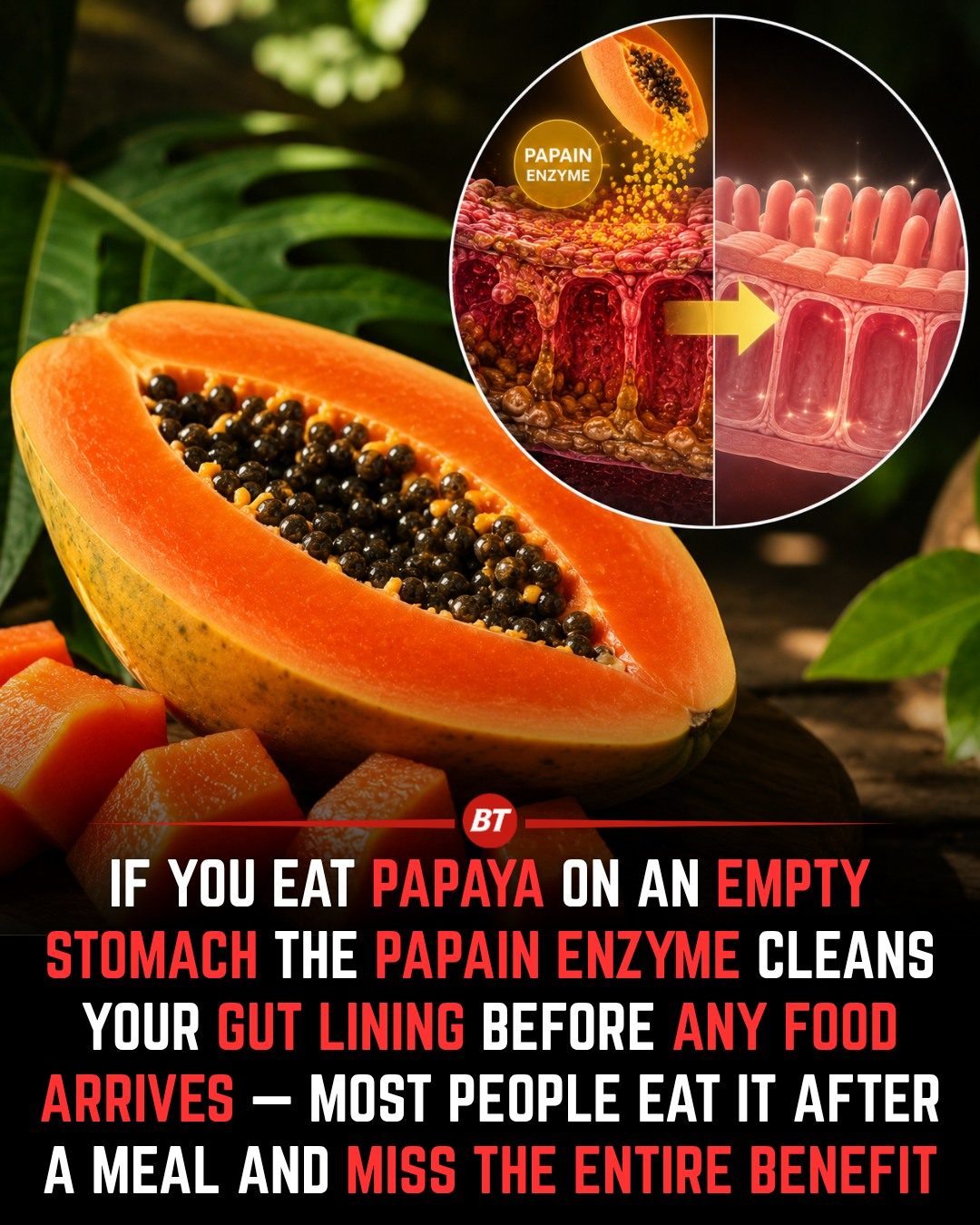
Some people believe that eating papaya on an empty stomach allows the papain enzyme to interact more directly with the digestive tract. The idea is that this interaction can help cleanse the gut lining before any food arrives. While this belief is common, there is limited scientific evidence to support the idea that consuming papaya on an empty stomach provides unique benefits compared to eating it later in the day.
Papaya and Gut Health
Papaya contains several nutrients that support a healthy gut. The combination of fiber and digestive enzymes in papaya helps maintain regular bowel movements and promotes a healthy gastrointestinal function. Additionally, the fruit’s vitamin C and carotenoids support overall immune function, further contributing to gut health.
Clinical studies have shown that regular consumption of papaya can improve symptoms such as bloating and constipation. This is likely due to the combination of digestive enzymes and fiber, which work together to promote a healthy digestive system.
Timing Your Papaya Consumption
While some people prefer to eat papaya on an empty stomach, the timing of consumption may not significantly alter the digestive benefits. The primary role of papain is to assist in protein digestion, not to cleanse the intestines. Therefore, whether you eat papaya in the morning, as a snack, or after a meal, the fruit’s digestive benefits remain largely the same.
However, eating papaya on an empty stomach may allow the enzyme to interact more directly with the digestive tract, potentially aiding in the breakdown of proteins more efficiently. This is particularly beneficial for individuals who experience digestive discomfort or have difficulty digesting proteins.
Practical Tips for Enjoying Papaya
To incorporate papaya into your diet, consider the following tips:
Pairing Papaya
Papaya pairs well with a variety of foods, making it a versatile addition to any meal. Try pairing papaya with yogurt, nuts, or seeds for a balanced meal rich in fiber, vitamins, and digestive-supporting compounds.
Morning Routine
Enjoy a bowl of ripe papaya in the morning as part of your breakfast routine. This can provide a gentle start to your digestive system and set the tone for a healthy day.
Snack Time
Papaya also makes an excellent snack. Its natural sweetness and juicy texture can satisfy your sweet tooth while providing essential nutrients and digestive support.
Important Takeaways
When it comes to digestive health, papaya offers a unique combination of benefits. The enzyme papain, along with fiber, vitamin C, and other nutrients, supports a healthy gut and overall digestive function. Whether you eat papaya on an empty stomach or as part of a meal, the fruit’s digestive benefits remain significant. Incorporating papaya into your diet can help alleviate symptoms of bloating and constipation, promote regular bowel movements, and support a healthy gut microbiome.
Conclusion
Papaya is a versatile and nutrient-rich fruit that offers numerous digestive benefits. Its combination of enzymes, fiber, and essential nutrients makes it an excellent choice for supporting gut health. Whether you enjoy papaya as a morning meal, a snack, or part of a balanced diet, the fruit’s digestive benefits can contribute to a healthier, more comfortable digestive system.
Watch the Reel
Questions readers ask
What does the papain enzyme in papaya do to aid digestion?
The papain enzyme in papaya acts as a protein-digesting enzyme, breaking down dietary proteins into smaller, more manageable peptides and amino acids. This process helps the body absorb essential nutrients more efficiently, supporting overall gut health and function.
Are there benefits to consuming papaya before meals?
While some people believe that consuming papaya before meals enhances its digestive benefits, scientific evidence is limited. However, eating papaya on an empty stomach may jump start your digestion and prepare your system for the upcoming meal.
How does papaya support gut health?
Papaya supports gut health through the papain enzyme, which promotes protein digestion and nutrient absorption. Additionally, papaya contains fiber, vitamin C, folate, and carotenoids, which contribute to a healthier digestive system.
What are the benefits of the papain enzyme for protein digestion?
The papain enzyme is particularly effective in breaking down proteins, making it a useful tool for those seeking to improve their protein digestion. By pre-digesting proteins, papain helps reduce the burden on the digestive system. This can be particularly beneficial for individuals experiencing digestive discomfort or those with protein-rich diets.
Can eating papaya on an empty stomach improve digestion?
Eating papaya on an empty stomach may help stimulate digestive processes. This is because the papain enzyme in the fruit is activated by an acidic environment, such as that found in the stomach. Consuming papaya before a meal can therefore help ensure that the enzyme is ready to aid in protein digestion.
What role does papaya play in nutrient absorption?
Papaya’s role in nutrient absorption is primarily tied to its papain enzyme, which aids in protein digestion. By breaking down proteins more efficiently, the papain enzyme enhances the absorption of amino acids and other essential nutrients, contributing to better overall nutrient uptake.
Does papaya have benefits for those who struggle with protein digestion?
Yes, papaya can be beneficial for those who struggle with protein digestion. Its papain enzyme helps break down dietary proteins into smaller, more easily digestible parts, which can alleviate digestive discomfort and promote better nutrient absorption. This makes papaya a useful addition to the diets of individuals with protein-rich diets or digestive sensitivities.
Recent articles
Fresh deep dives from the latest Reels we unpacked.




Comments
Be the first to comment.