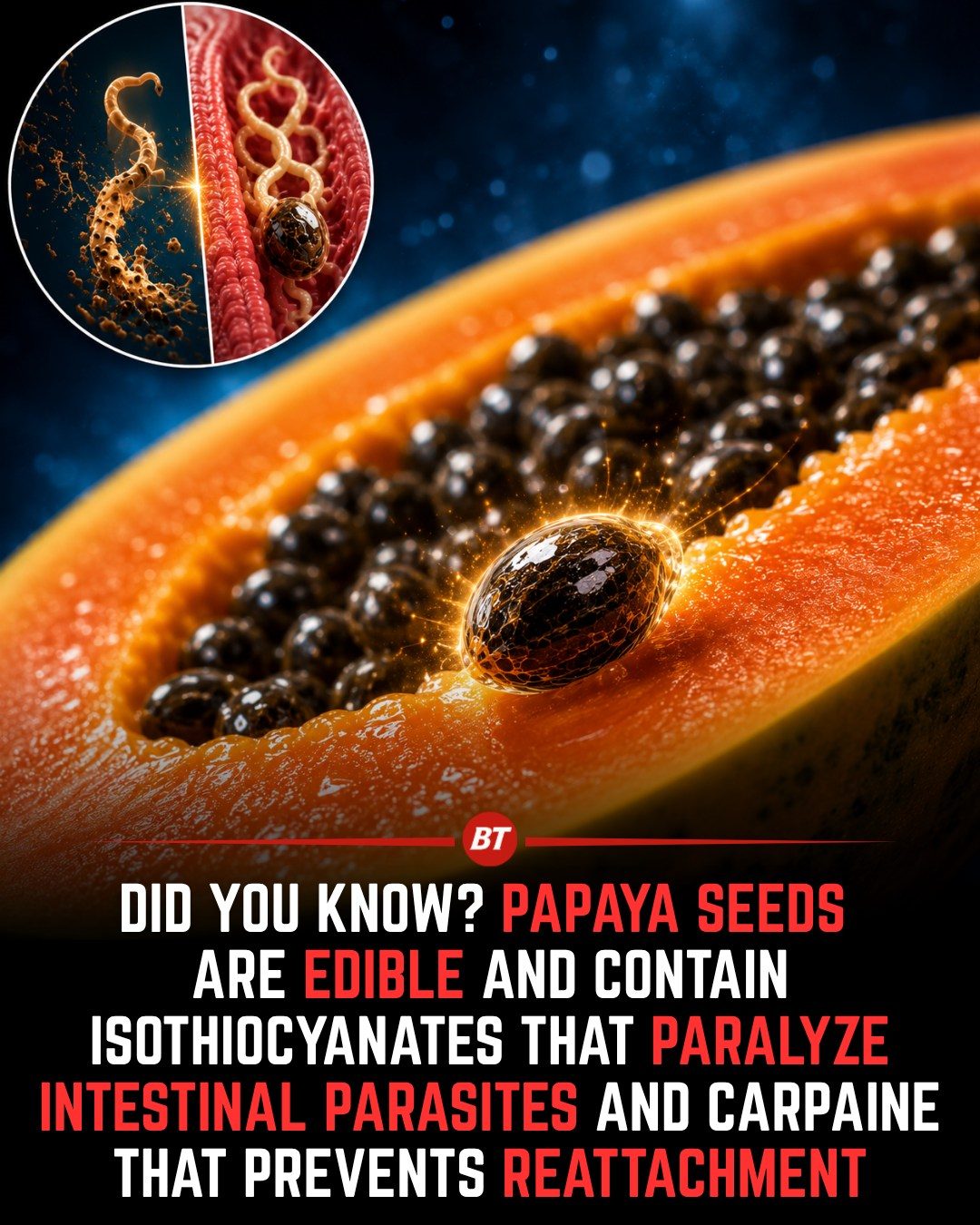
Papaya Seeds Benefits
Papaya seeds, often discarded without a second thought, are actually a nutritional powerhouse. These tiny seeds are packed with bioactive compounds that offer potential health benefits, particularly for gut health. Let's delve into the fascinating world of papaya seeds, exploring their unique properties and practical uses.
Context / Why this matters
Papaya seeds are not just a byproduct of enjoying the fruit; they contain compounds that scientists have been studying for their potential antimicrobial and antiparasitic properties. The seeds' natural compounds, such as benzyl isothiocyanate (BITC) and carpaine, have shown promise in interfering with the survival of certain intestinal parasites and harmful microbes. This makes them an interesting subject for those looking to enhance their health naturally.
Main discussion
Bioactive Compounds and Their Benefits
Papaya seeds are rich in bioactive compounds, including benzyl isothiocyanate and carpaine, that have been studied for their potential health benefits. Benzyl isothiocyanate, or BITC, is a natural compound that has shown antimicrobial and antiparasitic properties in laboratory and animal studies. It can interfere with the survival of certain intestinal parasites and harmful microbes, making it a potential natural remedy for gut health.
Carpaine, on the other hand, is a naturally occurring alkaloid found in papaya seeds. It has been investigated for its biological activity, including its ability to paralyze intestinal parasites and prevent their reattachment. This makes carpaine another key compound in papaya seeds that contributes to their health benefits.
Laboratory and Animal Studies
Numerous laboratory and animal studies have explored the potential health benefits of papaya seeds. These studies have shown that benzyl isothiocyanate can interfere with the survival of certain intestinal parasites and harmful microbes. Carpaine, meanwhile, has been shown to paralyze intestinal parasites and prevent their reattachment. These findings suggest that papaya seeds could be a valuable addition to a healthy diet, particularly for those looking to support their gut health.
Human Studies and Clinical Trials
Several small human studies have also reported that dried papaya seed preparations may help reduce the burden of certain intestinal parasites. These studies have shown promising results, but it's important to note that more large, high-quality clinical trials are needed before papaya seeds can be recommended as a treatment for parasitic infections.
A 2023 review published in Frontiers in Pharmacology highlighted papaya's broad range of bioactive compounds, including their antioxidant, antimicrobial, and antiparasitic potential. This review underscores the need for further research into the potential health benefits of papaya seeds, particularly in the context of treating parasitic infections.
Nutritional Benefits
Beyond their potential antimicrobial and antiparasitic properties, papaya seeds also provide a range of nutritional benefits. They are a good source of healthy fats, fiber, and polyphenols, making them a nutritious addition to any diet.
Practical tips
Papaya seeds are easy to incorporate into your diet. Here are a few practical tips to get started:
- Fresh Consumption: Scoop out a small spoonful of fresh papaya seeds, rinse them, and add ½–1 teaspoon to a smoothie. This is a great way to enjoy the seeds without dealing with their peppery flavor directly.
- Chewing with Fruit: If you enjoy the peppery flavor, you can chew the seeds along with the fruit. This is a simple and direct way to consume the seeds.
- Dried and Ground: Dried, ground papaya seeds can be used as a pepper substitute. Sprinkle them on salads, eggs, or roasted vegetables to add a unique twist to your meals.
- Moderation: While papaya seeds offer numerous health benefits, it's important to consume them in moderation. Research on long-term, high-dose consumption is limited, so it's best to enjoy them occasionally rather than in large amounts.
Important takeaways
Papaya seeds are a nutritional treasure, offering a range of health benefits. Key takeaways include:
- Papaya seeds contain unique natural compounds, such as benzyl isothiocyanate and carpaine, that have been studied for their potential antimicrobial and antiparasitic properties.
- Laboratory and animal studies have shown that these compounds can interfere with the survival of certain intestinal parasites and harmful microbes.
- Human studies have reported that dried papaya seed preparations may help reduce the burden of certain intestinal parasites.
- Papaya seeds are a good source of healthy fats, fiber, and polyphenols, making them a nutritious addition to any diet.
Conclusion
Papaya seeds are far more than just a byproduct of enjoying the fruit. They are a nutritional powerhouse, packed with bioactive compounds that offer potential health benefits. From their antimicrobial and antiparasitic properties to their nutritional value, papaya seeds are a worthwhile addition to a healthy diet. Whether you enjoy them fresh, dried, or as a pepper substitute, incorporating papaya seeds into your diet can be a simple and tasty way to support your gut health.
Watch the Reel
Questions readers ask
Can papaya seeds be consumed, and if so, how?
Yes, papaya seeds can be consumed. They have a peppery taste and can be eaten raw, dried, or ground into a powder. To incorporate them into your diet, you can sprinkle them on salads, mix them into smoothies, or use them as a seasoning in cooking. Start with a small amount to see how your body responds, as some people may find the taste or digestion process challenging.
What are the key compounds in papaya seeds that promote gut health?
Papaya seeds contain several bioactive compounds, with benzyl isothiocyanate and carpaine being the most notable. These compounds have shown potential antimicrobial and antiparasitic properties, which can help combat harmful microbes and intestinal parasites in the gut.
How do papaya seeds support gut health?
Papaya seeds support gut health by inhibiting the growth of harmful microbes and parasites. The bioactive compounds in the seeds, such as benzyl isothiocyanate and carpaine, interfere with the survival of these pathogens, helping to maintain a healthy gut environment.
Are there any potential side effects of consuming papaya seeds?
While papaya seeds are generally safe for consumption, some people may experience side effects, especially if consumed in large quantities. These can include digestive discomfort, allergic reactions, or interference with certain medications. Pregnant women should avoid consuming papaya seeds due to potential risks. Always consult with a healthcare provider before making significant changes to your diet, especially if you have any health conditions.
Can papaya seeds help with specific gut issues, such as parasites?
Papaya seeds have shown promise in fighting intestinal parasites due to their antiparasitic properties. The compounds benzyl isothiocyanate and carpaine have been studied for their ability to interfere with the survival of certain parasites, making papaya seeds a potential natural remedy for parasite-related gut issues.
How can I incorporate papaya seeds into my diet for better gut health?
To incorporate papaya seeds into your diet, start by consuming a small amount, such as a teaspoon, and gradually increase as tolerated. You can add them to your meals by sprinkling them on top of yogurt, blending them into smoothies, or using them in recipes that call for spices like black pepper. Regular consumption can help support a healthy gut environment.
Are papaya seeds a good source of certain nutrients?
Papaya seeds are a rich source of bioactive compounds that contribute to gut health. They are known for their content of benzyl isothiocyanate and carpaine. While they do contain small amounts of other nutrients like protein and healthy fats, their primary benefit lies in their bioactive compounds, which can support a healthy gut microbiome.
Related deep dives
Similar reads based on topic and creator.




Recent articles
Fresh deep dives from the latest Reels we unpacked.




Comments
Be the first to comment.