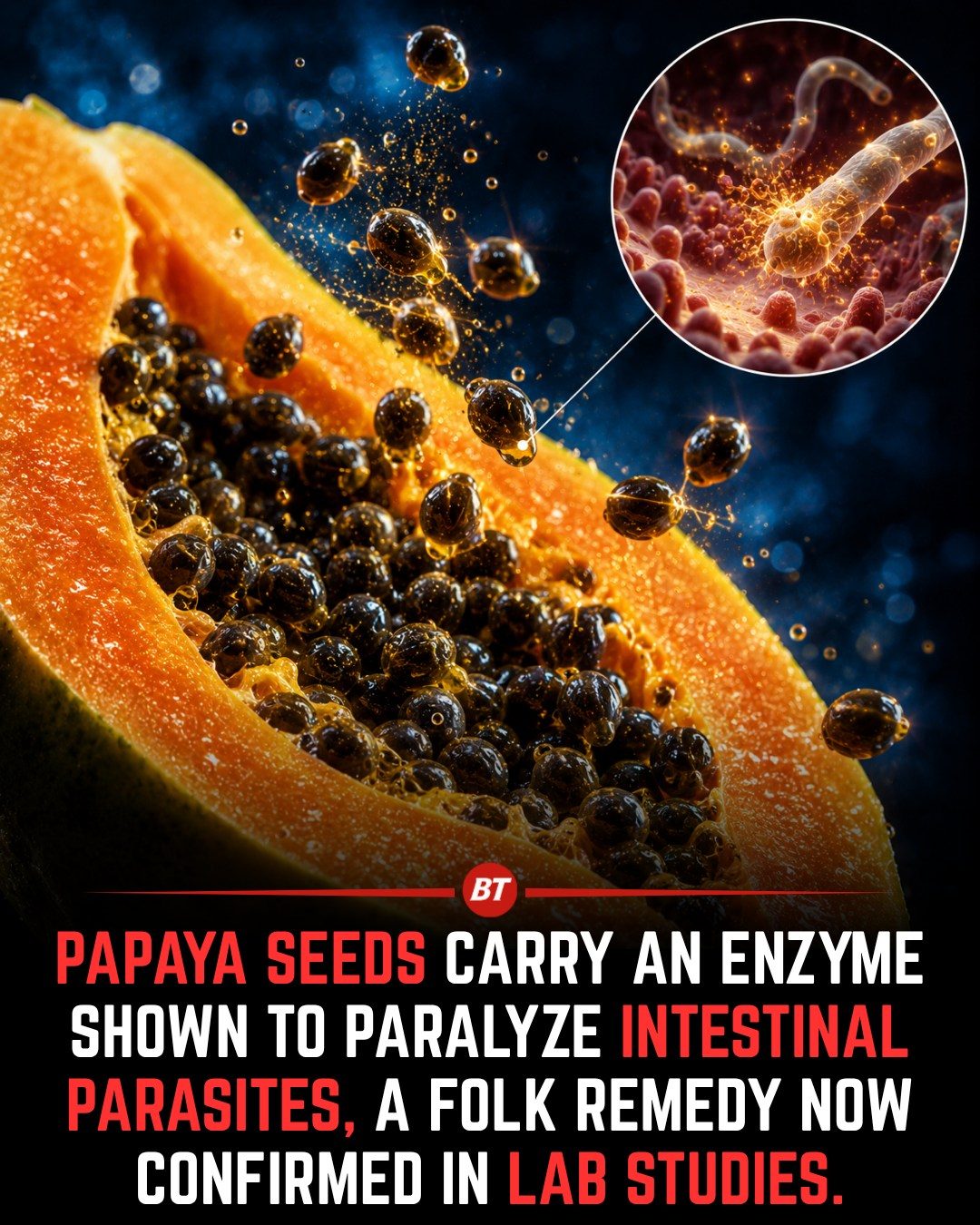
Papaya Seeds
The humble papaya is more than just a tropical fruit with a delicious taste and vibrant color. Within its flesh, tiny black seeds harbor a surprising array of bioactive compounds. Traditional remedies have long utilized these seeds to combat intestinal parasites, and modern science is beginning to validate these traditional claims.
Papaya seeds contain a variety of bioactive compounds, including benzyl isothiocyanate, carpaine, flavonoids, and other phytochemicals. These compounds have been investigated for their antimicrobial and antiparasitic properties.
Why This Matters
Intestinal parasites are a significant global health concern, particularly in regions with limited access to clean water and proper sanitation. These parasites can cause a range of health issues, from mild discomfort to severe malnourishment and even death in extreme cases. Traditional remedies, like papaya seeds, offer a potential low-cost, locally available solution to this pressing health problem.
The Science Behind Papaya Seeds
Papaya seeds have been used in traditional remedies for generations, but it's only recently that scientists have started to take these claims seriously. Laboratory experiments have suggested that certain compounds in papaya seeds can interfere with the survival and movement of some intestinal parasites.
Bioactive Compounds in Papaya Seeds
Papaya seeds are rich in various bioactive compounds that contribute to their potential health benefits. Some of the key compounds include:
- Benzyl isothiocyanate: This compound has been shown to have antimicrobial and antiparasitic properties.
- Carpaine: This alkaloid has been studied for its potential to paralyze intestinal parasites.
- Flavonoids: These plant compounds have a wide range of health benefits, including antioxidant and anti-inflammatory properties.
- Other phytochemicals: Papaya seeds contain a variety of other phytochemicals that may contribute to their overall health benefits.
Laboratory Research
Laboratory studies have provided promising evidence for the antiparasitic activity of papaya seeds. For instance, research has shown that papaya-seed extracts can interfere with the survival and movement of certain intestinal parasites. This provides a possible explanation for the traditional use of papaya seeds as a remedy for parasitic infections.
One notable study, published in the Journal of Medicinal Food, investigated a preparation containing papaya seeds and honey in children with intestinal parasites. The results showed improvements in stool parasite clearance compared with the control group. This small clinical study adds to the growing body of evidence supporting the traditional use of papaya seeds.
Human Evidence
While laboratory research is promising, it's important to note that human evidence remains limited. A few small studies have suggested that papaya seeds may have antiparasitic effects in humans, but the effective dose has not been firmly established. Different preparations can contain very different concentrations of active compounds, making it difficult to standardize the treatment.
Practical Tips
If you're interested in incorporating papaya seeds into your diet, here are some practical tips to keep in mind:
Consumption
Papaya seeds can be consumed whole, ground into a powder, or mixed with other foods. Here are a few ways to incorporate them into your diet:
- Whole seeds: You can simply chew and swallow 5-10 seeds per day.
- Ground powder: Grind the seeds into a powder and mix with honey, yogurt, or smoothies.
- Capsules: Some health food stores sell papaya seed capsules, which can be a convenient way to consume them.
Precautions
While papaya seeds are generally considered safe, it's important to be aware of a few precautions:
- Pregnancy and Breastfeeding: Papaya seeds are not recommended for pregnant or breastfeeding women, as they can stimulate menstruation and may be harmful to the fetus.
- Digestive Issues: Some people may experience digestive discomfort, such as gas or bloating, when consuming papaya seeds.
- Allergies: If you have a known allergy to papaya or other fruits in the Caricaceae family, you should avoid consuming papaya seeds.
Storage
Store papaya seeds in an airtight container in a cool, dry place. They can be kept at room temperature for up to a month, but for longer storage, it's best to keep them in the refrigerator or freezer.
Important Takeaways
Papaya seeds contain a variety of bioactive compounds with potential health benefits, including antiparasitic properties.
- Papaya seeds have been used in traditional remedies for intestinal parasites for generations, and modern research is beginning to validate these claims.
- Laboratory studies have shown that certain compounds in papaya seeds can interfere with the survival and movement of some intestinal parasites.
- Human evidence remains limited, and more research is needed to establish the effective dose and standardize the treatment.
While papaya seeds may offer potential health benefits, they should not be relied upon as the sole treatment for intestinal parasites.
- Proper testing and evidence-based treatment are far more reliable than relying on papaya seeds alone.
- If you suspect an intestinal parasite, consult a healthcare professional for proper diagnosis and treatment.
Incorporating papaya seeds into your diet can be a simple and delicious way to potentially boost your health.
- Papaya seeds can be consumed whole, ground into a powder, or mixed with other foods.
- Be aware of precautions, such as avoiding consumption during pregnancy and breastfeeding, and be mindful of potential digestive discomfort or allergies.
Conclusion
Papaya seeds have long been recognized for their potential health benefits, particularly in traditional remedies for intestinal parasites. Modern science is beginning to validate these claims, with laboratory studies and small clinical trials providing promising evidence for the antiparasitic activity of papaya seeds. While more research is needed to fully understand the potential benefits and establish standardized treatments, incorporating papaya seeds into your diet can be a simple and delicious way to potentially boost your health. Just remember to consult a healthcare professional before making any significant changes to your diet or treatment plan, and be aware of the precautions and potential side effects.
Watch the Reel
Questions readers ask
What are the key bioactive compounds found in papaya seeds?
Papaya seeds contain several bioactive compounds, including benzyl isothiocyanate, carpaine, flavonoids, and other phytochemicals. These compounds are believed to contribute to the seeds' antiparasitic and antimicrobial properties.
How do papaya seeds help with intestinal parasites?
The bioactive compounds in papaya seeds, such as benzyl isothiocyanate and carpaine, have shown potential in interfering with the survival and movement of intestinal parasites. This makes them a promising natural remedy for parasitic infections.
What is the traditional use of papaya seeds in relation to intestinal health?
Traditionally, papaya seeds have been used as a remedy for intestinal parasites in many cultures. These seeds are often consumed raw or dried and ground into a powder, offering a low-cost and accessible solution for maintaining intestinal health.
What scientific evidence supports the use of papaya seeds for parasites?
Laboratory studies have demonstrated the antiparasitic properties of papaya seeds, validating their traditional use. Research has shown that the seeds can inhibit the growth and movement of certain parasites, making them a subject of interest in global health discussions.
How can papaya seeds be used to treat intestinal parasites?
Papaya seeds can be consumed in various ways to combat intestinal parasites. They can be ground into a powder and mixed with water or juice, or simply chewed and swallowed directly. It's important to start with a small amount to assess tolerance.
What are the benefits of papaya seeds beyond parasite treatment?
Beyond their antiparasitic properties, papaya seeds offer other health benefits. They contain enzymes that aid in digestion, and may have anti-inflammatory and antioxidant properties. The seeds are also rich in essential minerals and healthy fats.
Are there any precautions to consider when using papaya seeds for intestinal health?
While papaya seeds are generally safe, they can have a strong, unpleasant taste and may cause digestive discomfort in some individuals. It's advisable to start with a small amount and gradually increase the dosage. Pregnant women and individuals with certain health conditions should consult a healthcare provider before use.
Related deep dives
Similar reads based on topic and creator.




Recent articles
Fresh deep dives from the latest Reels we unpacked.




Comments
Be the first to comment.