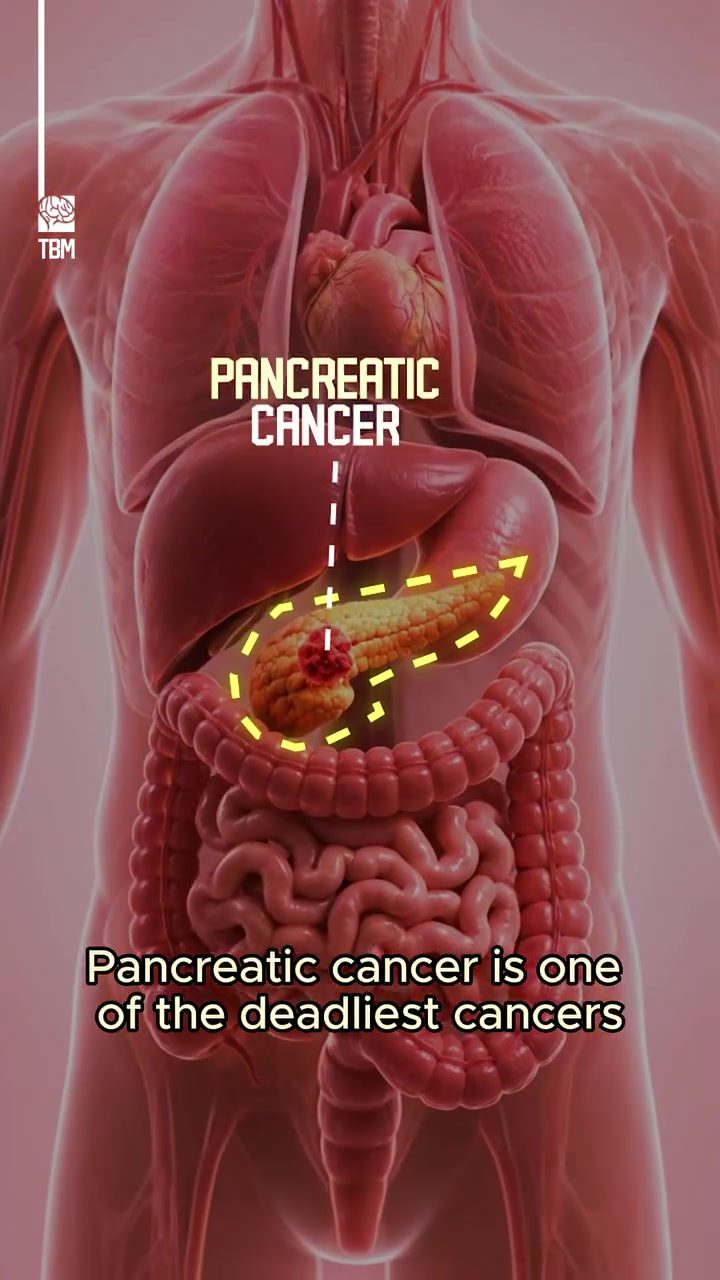
Pancreatic Cancer
Pancreatic cancer is renowned for its lethality, primarily due to its elusive nature and aggressive behavior. Understanding the unique challenges it poses is crucial for grasping the ongoing efforts in medical research and treatment development.
Why This Matters
Pancreatic cancer's impact is profound, affecting individuals and families alike. By delving into the specifics of what makes it so deadly, we can better appreciate the strides being made in diagnostics and treatment, as well as the hurdles that remain.
Silent Growth and Late Detection
One of the most daunting aspects of pancreatic cancer is its ability to grow unnoticed for extended periods. The pancreas, located deep within the abdomen, allows tumors to develop without causing immediate symptoms. When symptoms do appear, the cancer has often spread beyond the pancreas, making surgery impractical for many patients. This silent progression means that the disease is typically diagnosed at an advanced stage, significantly reducing the chances of successful treatment.
Protective Tissue Formation
Even when detected early, pancreatic cancer presents a formidable challenge. The cancer cells often form a dense, scar-like tissue around the tumor. This protective barrier can block blood flow, making it harder for chemotherapy drugs to effectively reach the cancer cells. This defensive mechanism is a significant factor in the disease's resistance to treatment.
Rapid Mutations and Treatment Resistance
Pancreatic cancer cells are known for their rapid mutations, which help them resist treatment and evade the immune system. This adaptability makes the development of effective treatments particularly challenging. Unlike some other cancers, there is currently no reliable screening test for the general population to detect pancreatic cancer before symptoms develop. This lack of early detection tools further complicates efforts to improve survival rates.
Ongoing Research and Development
Despite these challenges, researchers are making progress through the development of better imaging techniques, blood tests, targeted therapies, and immunotherapies. These advancements aim to enhance early detection and treatment effectiveness, ultimately improving survival rates and quality of life for patients.
The Challenges of Pancreatic Cancer
Pancreatic cancer's unique characteristics present multiple challenges to effective treatment. Understanding these challenges is essential for appreciating the progress being made and the work that remains.
Early Detection
The lack of reliable screening tests for the general population means that pancreatic cancer is often detected at a late stage. This delay in diagnosis significantly reduces the likelihood of successful treatment. Researchers are working on developing more effective screening methods to catch the disease before symptoms manifest.
Protective Barrier
The dense, scar-like tissue that forms around pancreatic tumors creates a barrier that blocks blood flow and prevents chemotherapy drugs from reaching the cancer cells. This protective mechanism is a significant obstacle to effective treatment. Overcoming this barrier is a key focus of ongoing research.
The Latest Advancements
While pancreatic cancer remains a significant medical challenge, significant strides are being made in both research and treatment.
Improved Imaging Techniques
Advanced imaging techniques are being developed to enhance the detection and diagnosis of pancreatic cancer. These techniques aim to provide clearer, more detailed images of the pancreas and surrounding tissues, helping doctors to identify tumors at earlier stages and plan more effective treatment strategies.
Targeted Therapies
Targeted therapies are designed to specifically attack cancer cells while sparing healthy tissue. This approach is promising because it can minimize side effects and improve treatment effectiveness. Researchers are exploring various targeted therapies, including those that target specific genetic mutations within cancer cells.
Immunotherapies
Immunotherapies harness the body's immune system to fight cancer. These treatments aim to enhance the immune system's ability to recognize and attack cancer cells. While immunotherapies have shown promise in treating other types of cancer, their effectiveness in pancreatic cancer is still under investigation. Researchers are actively working to develop immunotherapies that can overcome the challenges posed by pancreatic cancer.
Practical Tips
While the battle against pancreatic cancer is ongoing, individuals can take proactive steps to support their health and increase the chances of early detection.
Know the Symptoms
Familiarize yourself with the symptoms of pancreatic cancer, including abdominal pain, weight loss, jaundice (yellowing of the skin and eyes), and changes in bowel habits. Early recognition of these symptoms can lead to earlier diagnosis and treatment.
Maintain a Healthy Lifestyle
A balanced diet, regular exercise, and avoiding tobacco and excessive alcohol consumption can reduce the risk of developing various cancers, including pancreatic cancer. Maintaining a healthy lifestyle is a proactive measure that can support overall health and well-being.
Stay Informed About Advances
Stay updated on the latest research and treatment options for pancreatic cancer. Regularly check for updates from reputable medical sources and stay informed about ongoing clinical trials. Being knowledgeable about the latest advancements can empower individuals to make informed decisions about their health.
Important Takeaways
Understanding the unique characteristics of pancreatic cancer is crucial for appreciating the challenges it poses and the ongoing efforts to overcome them. Key takeaways include:
- Silent Growth: Pancreatic cancer often grows unnoticed for extended periods, making early detection difficult.
- Protective Tissue: The formation of protective tissue around tumors limits the effectiveness of chemotherapy.
- Rapid Mutations: Pancreatic cancer cells rapidly mutate, helping them resist treatment and evade the immune system.
- Research Progress: Ongoing advancements in imaging, blood tests, targeted therapies, and immunotherapies offer hope for improved treatment and survival rates.
Conclusion
Pancreatic cancer presents significant challenges due to its silent growth, protective tissue formation, and rapid mutations. However, ongoing research and advancements in diagnostics and treatment offer hope for improved outcomes. By staying informed and taking proactive steps, individuals can support their health and contribute to the collective effort against this formidable disease.
Watch the Reel
Related deep dives
Similar reads based on topic and creator.


Recent articles
Fresh deep dives from the latest Reels we unpacked.




Comments
Be the first to comment.