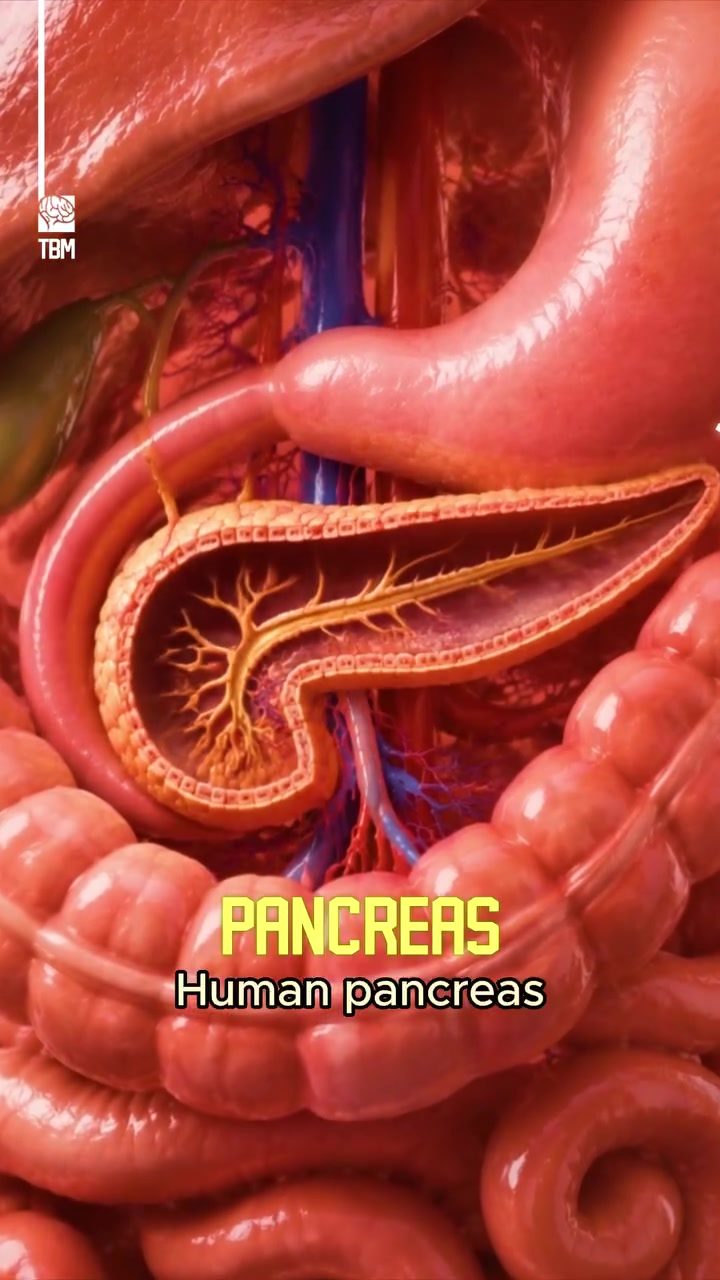
The pancreas is a crucial organ in the human body, responsible for a variety of essential functions. Understanding its role in digestion, blood sugar regulation, and overall metabolic health is key to appreciating its significance.
Context / Why this matters
The pancreas plays a unique and critical role in the body. It is both an endocrine gland, producing hormones like insulin and glucagon to regulate blood sugar levels, and an exocrine gland, producing digestive enzymes to break down food. This dual function is what makes the pancreas so vital for survival.
The pancreas' importance lies in its ability to maintain metabolic balance. It produces about 1.5 liters of digestive enzymes daily, which break down fats, proteins, and carbohydrates, converting them into forms the body can use for energy. Simultaneously, it regulates blood sugar levels by secreting insulin and glucagon, ensuring that glucose levels remain within a narrow, critical range. This delicate balance is essential for maintaining the body's energy equilibrium.
Main discussion
The Pancreas' Role in Digestion
The pancreas' exocrine function involves the production of various digestive enzymes. These enzymes are secreted into the small intestine, where they help to break down food particles into simpler molecules that the body can absorb and utilize. The key enzymes produced by the pancreas include:
- Amylase: Breaks down carbohydrates into simple sugars.
- Lipase: Breaks down fats into fatty acids and glycerol.
- Proteases: Break down proteins into amino acids.
These enzymes are critical for the digestion and absorption of nutrients, ensuring that the body receives the energy and building blocks it needs to function properly.
Blood Sugar Regulation
The pancreas' endocrine function is equally important. It produces several hormones, with insulin and glucagon being the most well-known. Insulin helps to lower blood sugar levels by promoting the absorption of glucose into cells, while glucagon raises blood sugar levels by stimulating the liver to release stored glucose. This delicate balance is essential for maintaining stable blood sugar levels, which is crucial for overall health.
The Pancreas' Vulnerability
Despite its small size—approximately 15 centimeters long—the pancreas exerts a profound influence over metabolism and digestion. Its vulnerability lies in its delicate balance between producing powerful enzymes and hormones. When this balance is disrupted, serious health complications can arise.
One such condition is diabetes, which develops when the pancreas fails to produce enough insulin. This disruption in energy balance can lead to severe health complications, including nerve damage, cardiovascular disease, and kidney problems. Another condition is pancreatitis, which occurs when the pancreas' own enzymes begin to digest the organ itself, leading to dangerous inflammation and tissue damage.
The Consequences of Pancreatic Dysfunction
When the pancreas fails to function properly, it can lead to a range of health issues. Diabetes, as mentioned, is a significant concern. Prolonged high blood sugar levels can damage blood vessels and nerves, leading to a host of complications. Pancreatitis, on the other hand, is a serious and potentially life-threatening condition that requires immediate medical attention.
Both conditions highlight the pancreas' critical role in maintaining the body's overall health. Understanding its function can help individuals appreciate the importance of taking care of this vital organ through a healthy lifestyle, regular check-ups, and prompt medical intervention when necessary.
Practical Tips
Taking care of your pancreas involves a combination of healthy lifestyle choices and regular medical care. Here are some practical tips to help maintain pancreatic health:
Maintain a Balanced Diet
A balanced diet rich in fruits, vegetables, lean proteins, and whole grains can support pancreatic function. Avoiding processed foods, sugary drinks, and excessive alcohol consumption is also beneficial.
Stay Hydrated
Drinking plenty of water helps the pancreas produce the digestive enzymes it needs to function properly. Aim for at least 8 glasses of water per day.
Exercise Regularly
Regular physical activity helps regulate blood sugar levels and supports overall metabolic health. Aim for at least 30 minutes of moderate exercise most days of the week.
Limit Alcohol Consumption
Excessive alcohol consumption can damage the pancreas and lead to conditions such as pancreatitis. Limit your alcohol intake or avoid it altogether.
Regular Check-ups
Regular medical check-ups can help detect any issues with the pancreas early, allowing for prompt treatment and management. This is especially important for individuals with a family history of diabetes or pancreatitis.
Avoid Smoking
Smoking is a known risk factor for pancreatic cancer. Quitting smoking can significantly reduce this risk and support overall health.
Manage Stress
Chronic stress can impact the body's metabolic processes, including those regulated by the pancreas. Practice stress-reduction techniques such as meditation, yoga, or deep-breathing exercises to support overall health.
Important Takeaways
- The pancreas is a vital organ that plays a dual role in digestion and blood sugar regulation.
- It produces digestive enzymes to break down fats, proteins, and carbohydrates, and hormones to regulate glucose levels.
- Pancreatic dysfunction can lead to serious health conditions such as diabetes and pancreatitis.
- Maintaining a healthy lifestyle, including a balanced diet, regular exercise, and avoiding harmful substances, is crucial for supporting pancreatic health.
- Regular medical check-ups and prompt treatment of any issues can help prevent serious complications.
Conclusion
The pancreas is a remarkable organ that plays a crucial role in maintaining the body's overall health. Its dual function as a digestive and endocrine gland makes it essential for survival. By understanding its role and taking steps to support its health, individuals can help prevent serious conditions and maintain optimal metabolic function.
Watch the Reel
Questions readers ask
What are the primary functions of the pancreas?
The pancreas has two main functions. First, it acts as an endocrine gland, producing hormones like insulin and glucagon to regulate blood sugar levels. Secondly, it functions as an exocrine gland, producing digestive enzymes that break down food, such as fats, proteins, and carbohydrates to facilitate digestion.
How does the pancreas regulate blood sugar levels?
The pancreas regulates blood sugar levels by producing and releasing hormones. Specifically, it releases insulin to lower blood sugar levels and glucagon to raise them. These hormones work together to maintain the body's metabolic balance, ensuring that cells receive the energy they need.
What digestive enzymes does the pancreas produce?
The pancreas produces a variety of digestive enzymes, including lipases, proteases, and amylases. These enzymes work together to break down fats, proteins, and carbohydrates, respectively. This process converts food into nutrients that the body can absorb and utilize.
Why is the pancreas important for overall health?
The pancreas is vital for overall health because it plays a crucial role in both digestion and blood sugar regulation. By producing digestive enzymes and hormones, it helps maintain metabolic balance, ensuring that the body can effectively process food and utilize energy from food intake.
What happens if the pancreas is not functioning properly?
If the pancreas is not functioning properly, it can lead to various health issues. For instance, it may result in poor digestion and absorption of food, causing symptoms such as weight loss, diarrhea, and malnutrition. Additionally, improper pancreas function can lead to blood sugar imbalances, resulting in conditions like diabetes.
How does the pancreas maintain metabolic balance?
The pancreas maintains metabolic balance by producing enzymes and hormones in response to food intake. It releases digestive enzymes to break down food and hormones to regulate blood sugar levels, ensuring that the body's energy needs are met and that nutrients are properly absorbed and utilized.
Related deep dives
Similar reads based on topic and creator.


Recent articles
Fresh deep dives from the latest Reels we unpacked.




Comments
Be the first to comment.