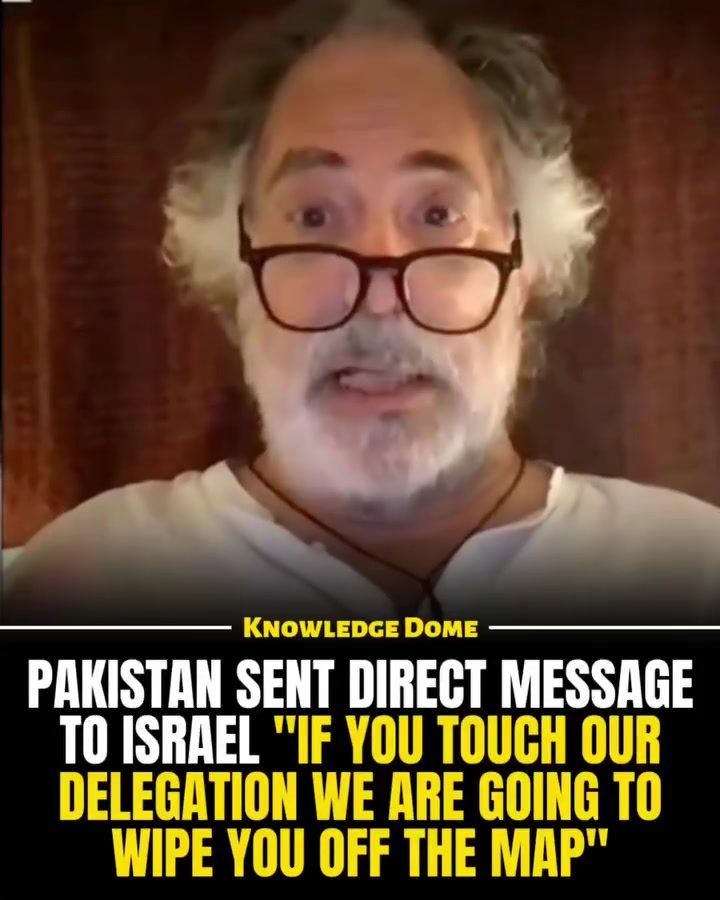
Diplomatic warnings and intelligence reports often shape geopolitical tensions, and the recent developments regarding Pakistan and Israel are no exception. The core issue revolves around an alleged assassination plot and Pakistan's stern response, highlighting the delicate balance of power in the Middle East.
Context / Why this matters
Tensions between Pakistan and Israel are not new, but the recent intelligence reports and diplomatic exchanges have escalated the situation. The intelligence intercepted by Pakistan's ISI, which suggests a Mossad plot, is a critical development that has attracted global attention. These events underscore the importance of diplomacy and intelligence-sharing in maintaining regional stability.
The Alleged Assassination Plot
Origins and Intelligence
Pakistan’s military intelligence intercepted what they described as highly credible information. This intelligence suggested that Mossad, Israel’s national intelligence agency, was planning an assassination attempt. The target was reportedly Pakistan's Field Marshal Asim Munir, who is a high-ranking military officer. The alleged plot also extended to other members of the Pakistani delegation, indicating a broader threat.
Including Delegation Going to Switzerland
The plot was allegedly planned for the time when a significant delegation from Pakistan, including Munir, was scheduled to be in Switzerland. The inclusion of the delegation in the plot suggests a more extensive and coordinated effort, potentially aiming to destabilize Pakistan's leadership and diplomatic efforts.
Netanyahu’s Alleged Role
In the broader context, the intelligence report suggests that the alleged plot was authorized by Israeli Prime Minister Benjamin Netanyahu. Such a claim, if true, would add another layer of complexity to the already strained relations between Pakistan and Israel. Netanyahu has previously been involved in controversial political and military manoeuvres.
Pakistan’s Response
Direct Message to Israel
Following the intelligence assessment, Pakistan sent a direct and unequivocal message to Israel. The message, reportedly conveyed through intermediaries such as Oman, stated that any action against the Pakistani delegation would result in severe consequences. The exact wording, as quoted, was, "If you touch our delegation, we're going to wipe you off the map."
Diplomatic and Military Implications
This message underscores Pakistan's resolve and readiness to defend its interests. The phrase "wipe you off the map" is a powerful statement that has historical and geopolitical significance. It suggests a willingness to escalate the conflict to an extreme degree, including the possibility of nuclear retaliation, given the broader regional context.
Regional and Global Implications
Middle East Balance of Power
The situation highlights the delicate balance of power in the Middle East. Both Pakistan and Israel are significant players in the region, and any direct conflict between them could have far-reaching consequences. The involvement of other nations and entities, such as Oman, further complicates the matter, highlighting the importance of diplomacy and strategic alliances.
Role of Intermediaries
Oman was mentioned as a potential intermediary in this diplomatic standoff. Oman’s role as a mediator is not unusual, as it has a history of facilitating peace talks and diplomatic negotiations in the Middle East. This underscores the importance of neutral parties in resolving international disputes.
Geopolitical Ramifications
The broader geopolitical ramifications are significant. This incident could strain relations between Pakistan and Israel further and potentially draw in other regional powers, such as Iran and Saudi Arabia. The involvement of Mossad and the alleged orders from Netanyahu add layers of complexity, making it a multi-faceted geopolitical issue.
Pakistan’s Military and Diplomatic Strategy
Intelligence Capabilities
Pakistan’s intelligence capabilities are evident in this incident. The ISI’s ability to intercept and assess highly credible information is a testament to its effectiveness. This capability is crucial for defending national interests and maintaining security.
Diplomatic Strategy
Pakistan’s diplomatic strategy involves direct and unequivocal messaging. The strong language used in the message to Israel demonstrates a willingness to defend its delegation and sovereignty. This approach can be both a deterrent and a call for negotiations, depending on how the other party responds.
Important Takeaways
The alleged assassination plot and Pakistan’s response highlight several important points:
- The significance of intelligence in shaping diplomatic and military strategies.
- The delicate balance of power in the Middle East and the role of intermediaries in resolving conflicts.
- The importance of strong and direct communication in international diplomacy.
- The potential for escalation in regional tensions and the need for careful diplomacy.
Conclusion
The recent developments between Pakistan and Israel underscore the complex and often tense nature of international relations. The alleged assassination plot and Pakistan’s stern response serve as a reminder of the delicate balance of power and the importance of diplomacy and intelligence. As the situation continues to unfold, the actions and reactions of all parties involved will be closely watched by the global community. The role of mediators and the potential for escalation add layers of complexity, making this a critical moment in Middle Eastern politics.
Watch the Reel
Questions readers ask
Why has Pakistan issued a warning to Israel?
Pakistan has issued a warning to Israel due to intercepted intelligence suggesting a Mossad assassination plot targeting a high-ranking Pakistani military officer and his delegation in Switzerland. This intelligence, intercepted by Pakistan's ISI, has raised concerns about potential threats to Pakistani officials and has led to heightened diplomatic tensions.
What is the significance of the alleged assassination plot in Switzerland?
The significance of the alleged assassination plot in Switzerland lies in the potential impact on regional stability and the delicate balance of power in the Middle East. The plot, if carried out, could have escalated tensions between Pakistan and Israel, drawing global attention and possibly leading to broader diplomatic crises.
How has Pakistan responded to the intelligence report?
Pakistan has responded with a stern warning to Israel, highlighting the seriousness of the situation. The response underscores Pakistan's commitment to protecting its high-ranking officials and maintaining regional stability. Diplomatic channels are expected to be activated to address this issue and prevent any potential escalation.
What role does diplomacy play in this situation?
Diplomacy plays a crucial role in this situation by providing a means for Pakistan and Israel to communicate and de-escalate tensions. Effective diplomacy can help prevent missteps, clarify intentions, and potentially resolve the crisis through dialogue and mutual understanding.
What are the potential consequences of the alleged assassination plot?
The potential consequences of the alleged assassination plot include a significant escalation in tensions between Pakistan and Israel, possible retaliatory actions, and a broader impact on regional stability. It could also lead to a deterioration in diplomatic relations and increased scrutiny from the international community.
Who is allegedly behind the assassination plot, according to Pakistan?
According to Pakistan, the alleged assassination plot is linked to Mossad, Israel's national intelligence agency. The plot is said to involve targeting a high-ranking Pakistani military officer and his delegation, which has raised serious concerns and prompted Pakistan's stern diplomatic response.
Why is the location of the alleged plot significant?
The location of the alleged plot in Switzerland is significant because it involves a neutral country, adding a layer of complexity to the situation. Switzerland's diplomatic status and neutrality mean that any incident could have broader implications, potentially drawing in other international actors and complicating diplomatic resolutions.
Recent articles
Fresh deep dives from the latest Reels we unpacked.




Comments
Be the first to comment.