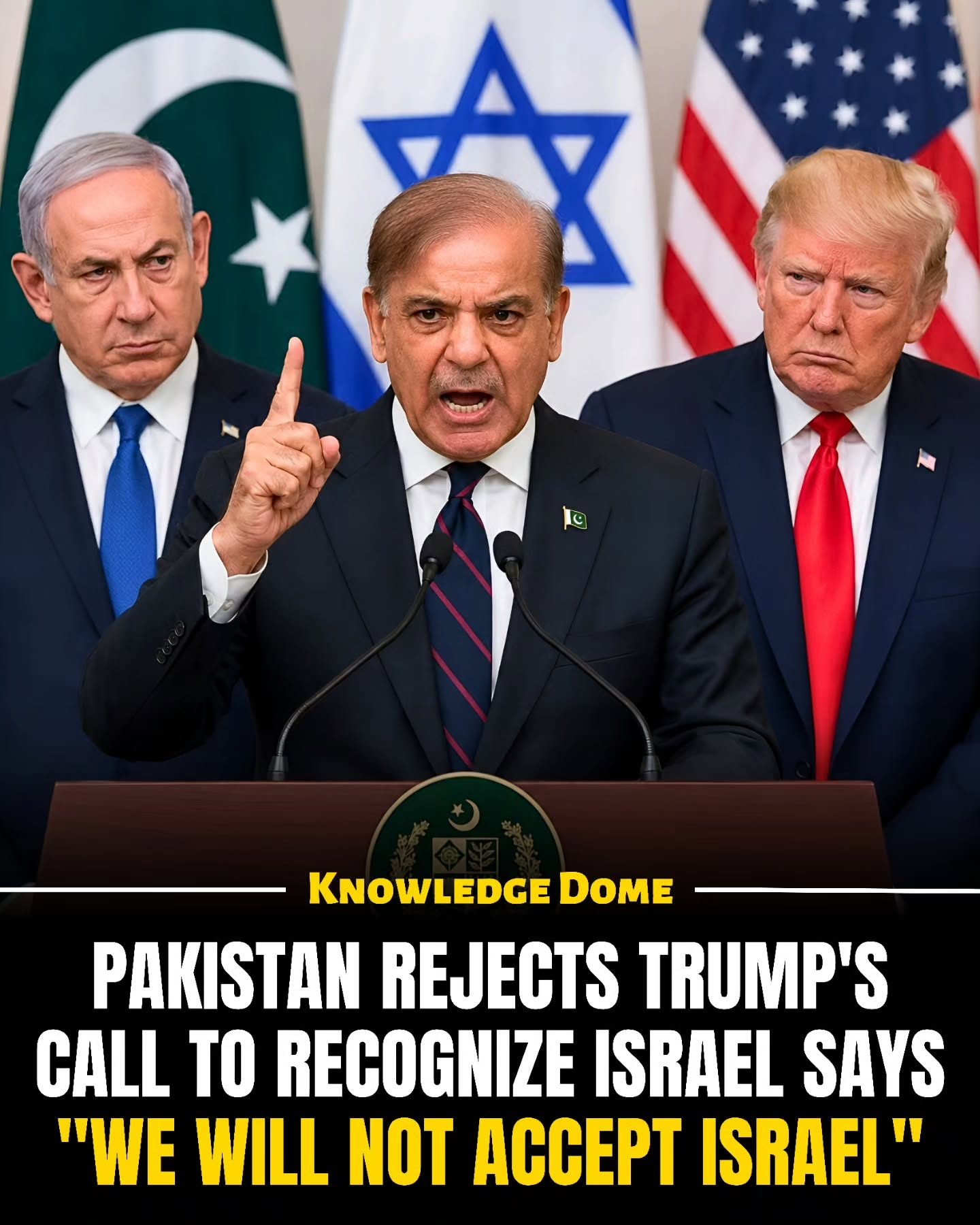
Pakistan's Stance on Recognizing Israel
Pakistan has consistently maintained a strong stance against recognizing Israel, a position reinforced by its recent rejection of a call from former U.S. President Donald Trump to join the Abraham Accords. This decision aligns with Pakistan’s long-standing foreign policy, which is deeply rooted in its commitment to the Palestinian cause and the principles of the United Nations and the Organisation of Islamic Cooperation (OIC).
Context / Why this matters
The Abraham Accords, brokered by the Trump administration in 2020, facilitated diplomatic relations between Israel and several Arab countries, notably the United Arab Emirates, Bahrain, and Morocco. These agreements aimed to normalize relations and foster regional peace. However, Pakistan's refusal to join highlights the complexities and divisions within the Middle East and the broader Muslim world regarding Israel's existence and the Palestinian conflict.
Main discussion
Pakistan's Historical Position
Pakistan's opposition to recognizing Israel is not a new stance. The country has long adhered to a policy that ties normalization of relations with Israel to the establishment of an independent Palestinian state. This position is evidenced by the fact that Pakistan's standard passport explicitly states it is valid for travel to all countries except Israel. This policy reflects Pakistan's alignment with the broader Muslim world's stance on the Palestinian issue.
The Rejection of Trump's Call
In response to Trump's call for Pakistan to join the Abraham Accords, Defence Minister Khawaja Asif made it clear that Pakistan views recognition of Israel as completely unacceptable. This sentiment was echoed by Foreign Minister Ishaq Dar, who emphasized that Pakistan’s foreign policy continues to be guided by the principles of the United Nations and the OIC. Both ministers underscored the country's support for a two-state solution based on the borders that existed before the 1967 war, a position that has been consistent for many years.
The Broader Diplomatic Landscape
Pakistan's stance has significant implications for regional diplomacy. The country's refusal to recognize Israel is part of a broader diplomatic strategy that aligns it with other Muslim-majority nations that share similar views. This alignment is crucial for maintaining regional stability and supporting the Palestinian cause, which remains a contentious and emotionally charged issue in the Middle East.
The Impact on Regional Relations
The rejection of Trump's call also sheds light on the intricacies of Pakistan's relationship with the United States. While Pakistan has historically received significant military and economic aid from the U.S., its foreign policy decisions often reflect its own national interests and regional dynamics. The refusal to recognize Israel, despite U.S. pressure, underscores Pakistan's commitment to its core beliefs and principles.
Practical tips
For those interested in understanding the broader context of Pakistan's foreign policy, it is essential to delve into the historical and cultural nuances that shape its decisions. Here are a few tips:
- Stay Informed About Regional Politics: Understanding the dynamics between Pakistan, Israel, and the broader Middle East can provide significant insights into why Pakistan maintains its stance.
- Follow Key Figures: Pay attention to statements and actions by key figures in Pakistan's government, such as Defence Minister Khawaja Asif and Foreign Minister Ishaq Dar, to gain a deeper understanding of the country's official positions.
- Examine Historical Documents: Reviewing historical documents and statements, such as those from the United Nations and the OIC, can provide a clearer picture of the principles that guide Pakistan's foreign policy.
Important takeaways
Pakistan's rejection of Trump's call to recognize Israel is a reflection of its unwavering commitment to the Palestinian cause and its alignment with the broader Muslim world. This stance is deeply rooted in historical and cultural factors and is not likely to change anytime soon. Understanding Pakistan's foreign policy requires a nuanced view of its regional dynamics and diplomatic principles.
Conclusion
Pakistan's decision to reject the call to recognize Israel is a significant move that highlights its consistent and principled stance on the Palestinian issue. This decision, while aligning with the broader Muslim world, also has implications for regional and international diplomacy. By understanding the historical context and the principles that guide Pakistan's foreign policy, one can gain a clearer picture of the complexities and intricacies of its relationship with Israel and the United States.
Watch the Reel
Questions readers ask
Why does Pakistan refuse to recognize Israel?
Pakistan rejects Israel recognition to uphold its long-term foreign policy commitment to Palestinian statehood, and its continued support for the principles of the United Nations and the Organisation of Islamic Cooperation.
What are the Abraham Accords, and how does Pakistan's stance on Israel relate to them?
The Abraham Accords are a set of agreements brokered by the Trump administration to normalize relations between Israel and several Arab countries. Pakistan's rejection of Trump's call to join these accords underscores its unwillingness to recognize Israel and its alignment with Palestinian statehood.
How does Pakistan's position on Israel align with the broader Muslim world?
Pakistan's stance on Israel is consistent with many countries in the Muslim world, particularly those within the Organisation of Islamic Cooperation, which also do not recognize Israel until the Palestinian issue is resolved.
What is the significance of Pakistan's rejection of Trump's call to recognize Israel?
Pakistan's refusal highlights the complex divisions within the Middle East and the broader Muslim world regarding Israel. The rejection signals Pakistan’s commitment to its historical foreign policy and support for the Palestinian cause.
How have the United Nations and the Organisation of Islamic Cooperation influenced Pakistan's stance on Israel?
The United Nations and the Organisation of Islamic Cooperation have significantly influenced Pakistan’s foreign policy concerning Israel. Both entities emphasize the importance of a Palestinian state and sustainable peace in the region, principles which Pakistan adheres to in its refusal to recognize Israel.
What does Pakistan's response to Trump's call indicate about its foreign policy regarding Middle East diplomacy?
Pakistan's response to Trump's call underscores its independence in Middle East diplomacy. By rejecting the call, Pakistan signals its commitment to principles of solidarity with the Palestinian cause, and its alignment with the OIC, over forging diplomatic ties with Israel.
What are the potential implications of Pakistan's stance on the broader Middle East relations?
Pakistan’s stance on Israel has implications for regional alliances and geopolitics. It could potentially influence other countries in the region to maintain or strengthen their own support for Palestinian statehood, further complicating diplomatic relations with Israel.
Recent articles
Fresh deep dives from the latest Reels we unpacked.




Comments
Be the first to comment.