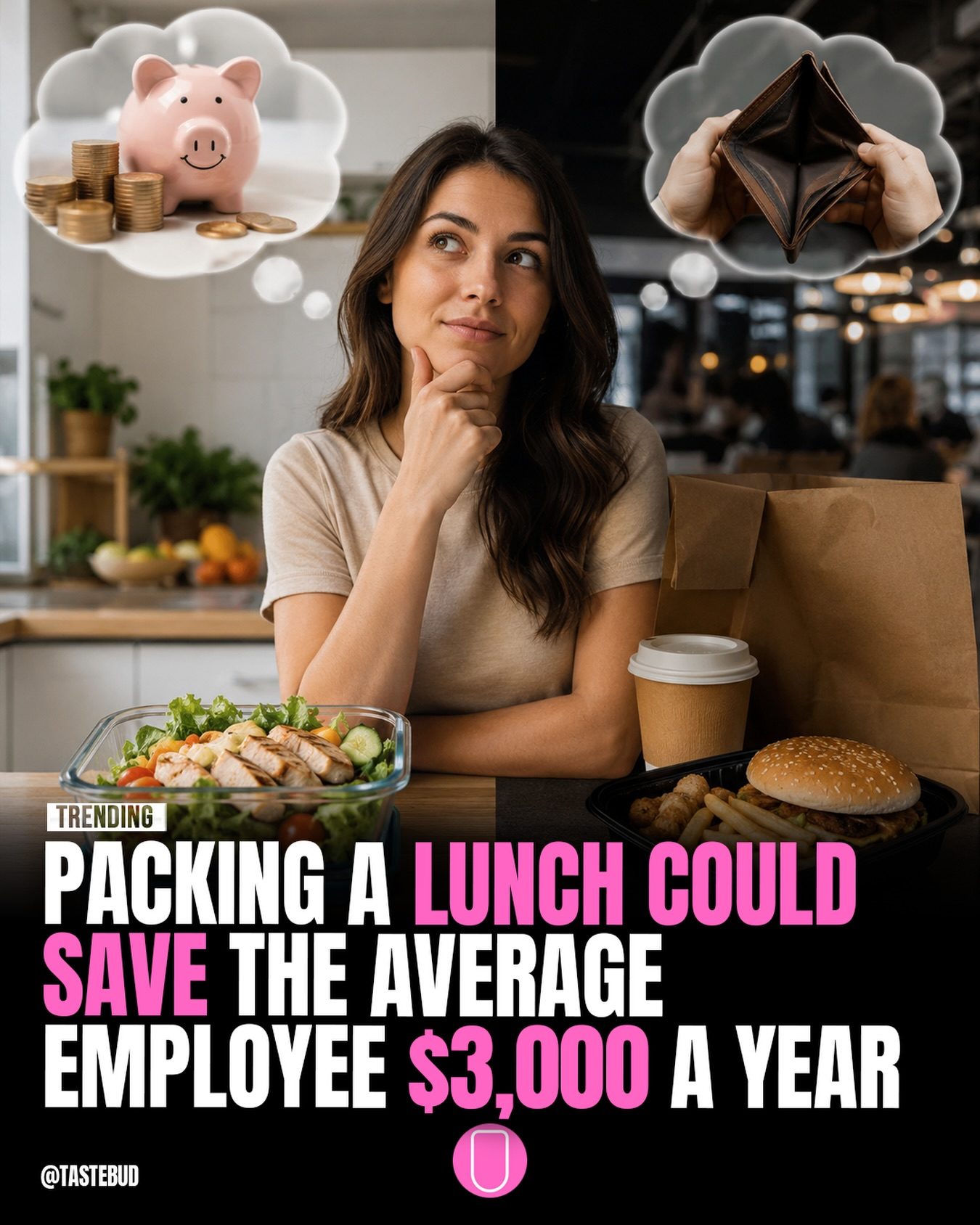
Lunch Savings
Packing your own lunch can lead to surprisingly significant savings over time. Research and workplace spending data reveal that the cost of daily meals, coffee, and snacks can accumulate to thousands of dollars annually. Whether you work in a bustling city or a more laid-back locale, understanding the financial impact of these small daily expenses can help you make more informed decisions about your lunch habits.
Why This Matters
The financial impact of eating out frequently is often underestimated. A daily expenditure of $10 to $15 might seem manageable, but these small amounts add up quickly. Over the course of a year, this can translate to thousands of dollars. Commuters and office workers in cities where food prices and delivery fees are high are particularly affected.
The Impact of Lunch Savings
Daily Spending Habits
Consider the average daily spending on meals, coffee, and snacks. At $10 to $15 per day, the annual cost can easily exceed $5,000. This is a considerable sum that could be redirected towards savings, investments, or other financial goals.
The Hidden Costs
The cost of eating out is not just about the food. Delivery fees, tips, and the occasional impulse buy can add up. These hidden costs are often overlooked, but they can significantly increase your daily spending.
The City Factor
For those living and working in urban areas, the cost of food is generally higher. High demand and limited supply drive up prices, making it even more important to be mindful of your lunch spending.
Practical Tips for Savings
Meal Planning
One of the most effective ways to save on lunch is through meal planning. Dedicate time each week to prepare and pack your meals. This ensures that you are not tempted to eat out and helps you stick to a budget.
Bulk Buying
Buying ingredients in bulk can significantly reduce your grocery expenses. Plan your meals around sales and discounts to maximize savings. Look for ingredients that can be used in multiple meals, such as grains, proteins, and vegetables.
Leftovers and Pre-Made Meals
Make the most of leftovers by packing them for lunch. This not only saves you money but also reduces food waste. Pre-made meals can be stored in the freezer for easy grab-and-go options during the week.
Smart Snacking
Snacks can sometimes be the most expensive part of your daily food budget. Opt for healthier, budget-friendly snacks like fruits, nuts, and homemade energy bars. Avoid buying pre-packaged snacks and sugary drinks, which can add unnecessary costs.
Coffee and Hydration
Coffee and other beverages can also add up quickly. Invest in a good thermos and bring your coffee and water from home. This small change can result in significant savings over time.
Important Takeaways
Packing a lunch instead of buying it can save you thousands of dollars a year. Small daily expenses, especially in cities with higher food prices, can add up to a substantial amount. By planning your meals, buying in bulk, and being mindful of hidden costs, you can make a significant difference in your financial situation.
Conclusion
Small habits, such as packing your own lunch, can lead to major savings over time. Make the most of your food budget by being mindful of your daily spending and planning your meals thoughtfully. By doing so, you can enjoy the financial benefits of bringing your own lunch while maintaining a healthy and balanced diet.
Watch the Reel
Questions readers ask
How much can I really save by packing my lunch every day?
By packing your lunch daily, you can save between $3,000 to $5,000 a year. This is based on the average cost of daily meals, snacks, and coffee. The exact amount will depend on where you live and your personal spending habits, with higher savings in urban areas with elevated food prices.
What are the benefits of packing lunch for work besides saving money?
Packing lunch for work allows you to control the ingredients and portion sizes, making it easier to maintain a balanced diet. This can help you eat healthier and potentially save money by avoiding additional trips to the store and reducing food waste. Another perk is the time saved not having to order or grab food.
How can I make packing lunch for work more convenient?
Start by planning your meals for the week and creating a shopping list based on those plans. Prep ingredients in advance, such as chopping vegetables or cooking proteins, to make assembly quicker. Invest in reusable containers to store your food and keep it fresh. Finally, try to set aside time each week to pack your lunches for the days ahead.
What are some budget-friendly lunch ideas for work?
Some budget-friendly lunch ideas include sandwiches with deli meats, hummus and veggie wraps, or salads with canned proteins like tuna or chickpeas. Leftovers from dinner can also be repurposed into a lunch. Additionally, oatmeal, yogurt, and mixed fruit can be incorporated into a meal plan. For snacks, consider fresh fruits, nuts, and homemade granola bars.
How does packing lunch compare to other daily savings tips?
Packing your lunch is one of the most effective daily savings tips, as food and drink expenses can be a significant portion of your budget. Other daily savings tips include making coffee at home instead of buying it, carpooling to save on gas, or canceling unused subscriptions. However, the cumulative impact of these small savings can lead to substantial yearly savings.
How do urban food prices affect my lunch savings?
Urban food prices, including higher menu prices, delivery fees, and the cost of eating out, can make packing your lunch even more beneficial. With higher costs for dining out, the savings from packing your lunch can be more significant in cities. Packing your own lunch allows you to avoid these additional costs and stick to your budget.
Related deep dives
Similar reads based on topic and creator.


Recent articles
Fresh deep dives from the latest Reels we unpacked.




Comments
Be the first to comment.