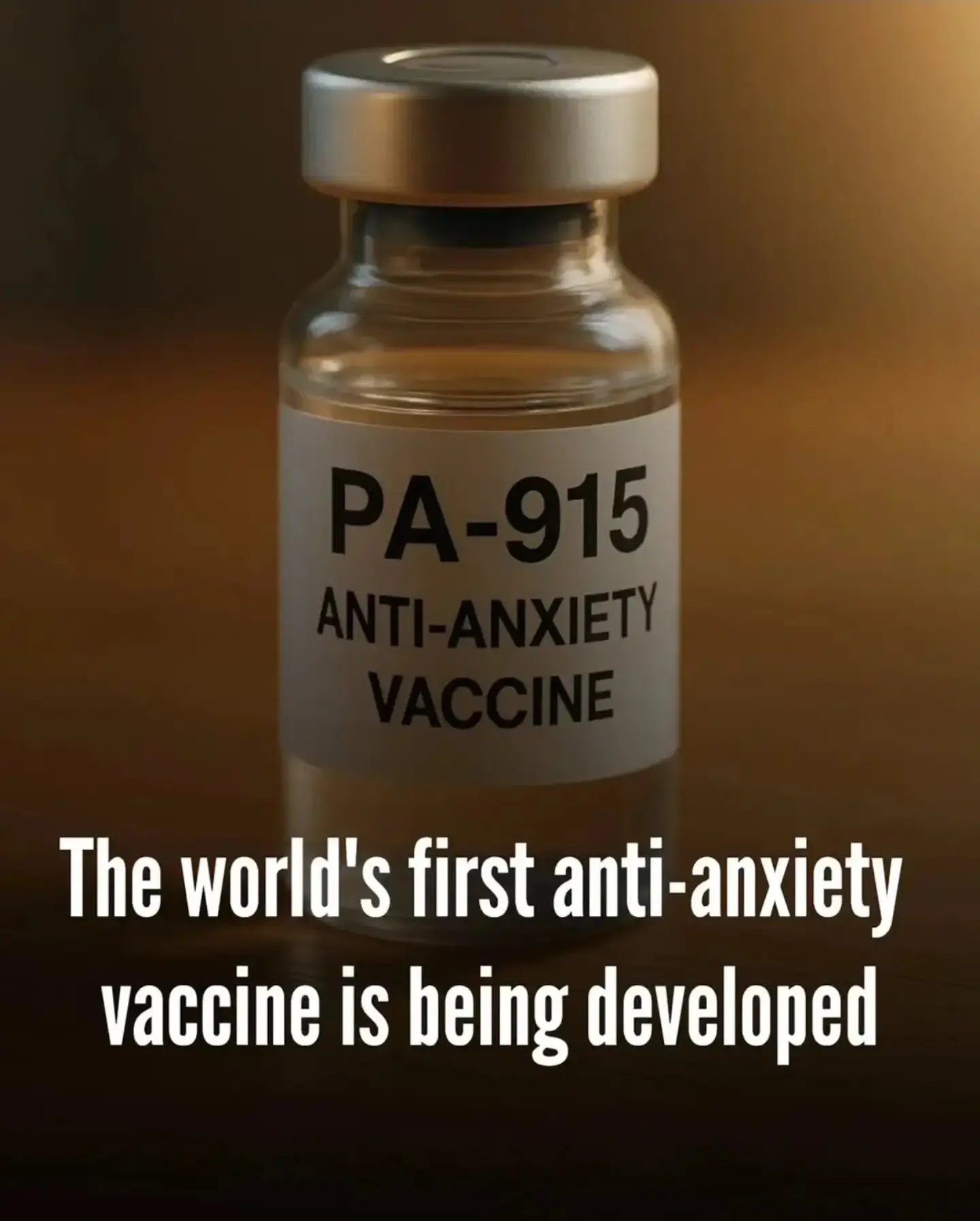
Anti-Anxiety Vaccine
PA-915, a new experimental drug, is making headlines for its potential to treat anxiety, stress, and depression with a single dose. This compound, which targets the PAC1 receptor in the brain, has shown promising results in early studies, significantly reducing symptoms of anxiety and depression in animal models.
Context / Why this matters
Anxiety, stress, and depression are among the most prevalent mental health issues worldwide. Traditional treatments often involve long-term medication or therapy, which can be ineffective for some individuals or come with unwanted side effects. The development of PA-915 represents a significant advancement in mental health research, offering a potential breakthrough in how we approach these conditions.
The Potential of PA-915
Targeting the PAC1 Receptor
PA-915 is a research compound designed to block the PAC1 receptor in the brain. This receptor is crucial for regulating the body’s stress response, cortisol release, and the hypothalamic–pituitary–adrenal (HPA) axis. Chronic stress can overactivate this system, leading to anxiety, depression, and fatigue. By inhibiting the PAC1 receptor, PA-915 helps to calm this overactive stress-response pathway, reducing the frequency of stress signals sent to the brain.
Rapid and Long-Lasting Effects
One of the most remarkable aspects of PA-915 is its rapid and long-lasting effects. In animal studies, a single dose of PA-915 significantly reduced anxiety- and depression-like behaviors for several weeks. This sustained impact is unprecedented with existing anti-anxiety or antidepressant drugs, which often require regular dosing to maintain their effects.
Understanding the HPA Axis
To fully appreciate the potential of PA-915, it’s important to understand the HPA axis. This system plays a central role in the body’s response to stress. When the body experiences stress, the hypothalamus releases corticotropin-releasing hormone (CRH), which stimulates the pituitary gland to produce adrenocorticotropic hormone (ACTH). ACTH then signals the adrenal glands to release cortisol, the body’s primary stress hormone. In chronic stress situations, this system can become overactive, leading to various mental and physical health issues.
By targeting the PAC1 receptor, PA-915 helps to regulate this system, preventing it from becoming overactive and thereby reducing symptoms of anxiety and depression. This approach offers a novel way to address chronic stress and its related disorders.
Comparing PA-915 to Existing Treatments
Traditional Anti-Anxiety and Antidepressant Drugs
Traditional anti-anxiety and antidepressant medications often work by altering the levels of neurotransmitters in the brain, such as serotonin and dopamine. While these drugs can be effective, they often come with side effects and require long-term use to maintain their benefits. Moreover, they may not be effective for everyone, leaving some individuals with limited treatment options.
The Advantages of PA-915
PA-915 stands out from traditional treatments in several ways:
- Single Dose Effectiveness: Unlike traditional medications, PA-915 shows significant effects after a single dose, lasting for weeks.
- Targeted Action: By specifically targeting the PAC1 receptor, PA-915 directly addresses the overactive stress response, offering a more precise approach to treatment.
- Long-Lasting Results: The sustained effects of PA-915 mean that individuals may not need to rely on daily medication, reducing the risk of side effects and improving quality of life.
Practical Tips for Managing Anxiety and Stress
While PA-915 offers a promising new avenue for treating anxiety and depression, it’s important to remember that managing these conditions often involves a multifaceted approach. Here are some practical tips to help manage anxiety and stress:
Lifestyle Changes
- Regular Exercise: Engaging in regular physical activity can help reduce stress and anxiety by increasing the production of endorphins, which are natural mood elevators.
- Healthy Diet: A balanced diet rich in fruits, vegetables, and whole grains can support overall mental health. Foods rich in omega-3 fatty acids, such as fatty fish and nuts, are particularly beneficial.
- Adequate Sleep: Ensuring you get enough sleep is crucial for mental health. Aim for 7-9 hours of quality sleep per night.
Mindfulness and Relaxation Techniques
- Mindfulness Meditation: Practicing mindfulness can help you stay present and reduce anxiety. Even a few minutes of mindfulness meditation each day can make a difference.
- Deep Breathing Exercises: Techniques such as deep breathing, progressive muscle relaxation, and guided imagery can help calm the mind and body.
- Yoga and Tai Chi: These practices combine physical movement with breath control and meditation, offering a holistic approach to stress management.
Professional Support
- Therapy and Counseling: Seeking professional help, such as cognitive-behavioral therapy (CBT) or talk therapy, can provide valuable tools and strategies for managing anxiety and depression.
- Support Groups: Joining support groups can offer a sense of community and shared experience, providing emotional support and practical advice.
Important Takeaways
- PA-915 is a new experimental drug that targets the PAC1 receptor, showing potential as an anti-anxiety vaccine.
- The drug has demonstrated rapid and long-lasting effects in reducing anxiety and depression in animal models.
- PA-915 offers a novel approach to mental health treatment by targeting the overactive stress response system.
- Managing anxiety and stress often involves a combination of lifestyle changes, mindfulness techniques, and professional support.
Conclusion
PA-915 represents an exciting development in the field of mental health. By targeting the PAC1 receptor and regulating the body’s stress response, this compound offers a promising new avenue for treating anxiety, stress, and depression. While more research is needed to fully understand its potential and safety in humans, the early results are encouraging. As we continue to explore innovative treatments, the future of mental health care looks brighter, with the potential for more effective and long-lasting solutions.
Watch the Reel
Questions readers ask
What makes PA-915 unique compared to traditional anxiety treatments?
PA-915 stands out because it targets the PAC1 receptor in the brain, which is directly involved in the brain's stress response. Unlike traditional treatments that often require long-term use, PA-915 has shown potential to alleviate anxiety and depression symptoms with just one dose. This could revolutionize the way we approach mental health management.
How does PA-915 work to reduce anxiety and depression?
PA-915 works by inhibiting the PAC1 receptor in the brain, which plays a crucial role in the brain's stress response. By targeting this receptor, PA-915 can rapidly and effectively reduce symptoms. Studies in animal models have seen long-lasting effects, suggesting a potential breakthrough in mental health relief.
What are the potential benefits of a single-dose anxiety treatment?
A single-dose anxiety treatment like PA-915 could offer numerous benefits, including convenience, reduced side effects, and improved adherence to treatment. Traditional treatments often require long-term use, which can lead to side effects, medication tolerance, and inconsistent use.
What does the current research say about PA-915's effectiveness?
Early studies on PA-915 have shown promising results, with significant reductions in anxiety and depression symptoms in animal models. These studies indicate that PA-915 can have rapid and long-lasting effects, which is a strong indication of its potential as a mental health treatment.
What does the development of PA-915 mean for the future of mental health care?
The development of PA-915 could lead to significant advancements in mental health care. Given its potential for long-lasting effects, it could reduce the burden on healthcare systems by providing a more effective and convenient treatment option, potentially lowering the prevalence of anxiety and stress-related conditions.
Related deep dives
Similar reads based on topic and creator.

Recent articles
Fresh deep dives from the latest Reels we unpacked.




Comments
Be the first to comment.