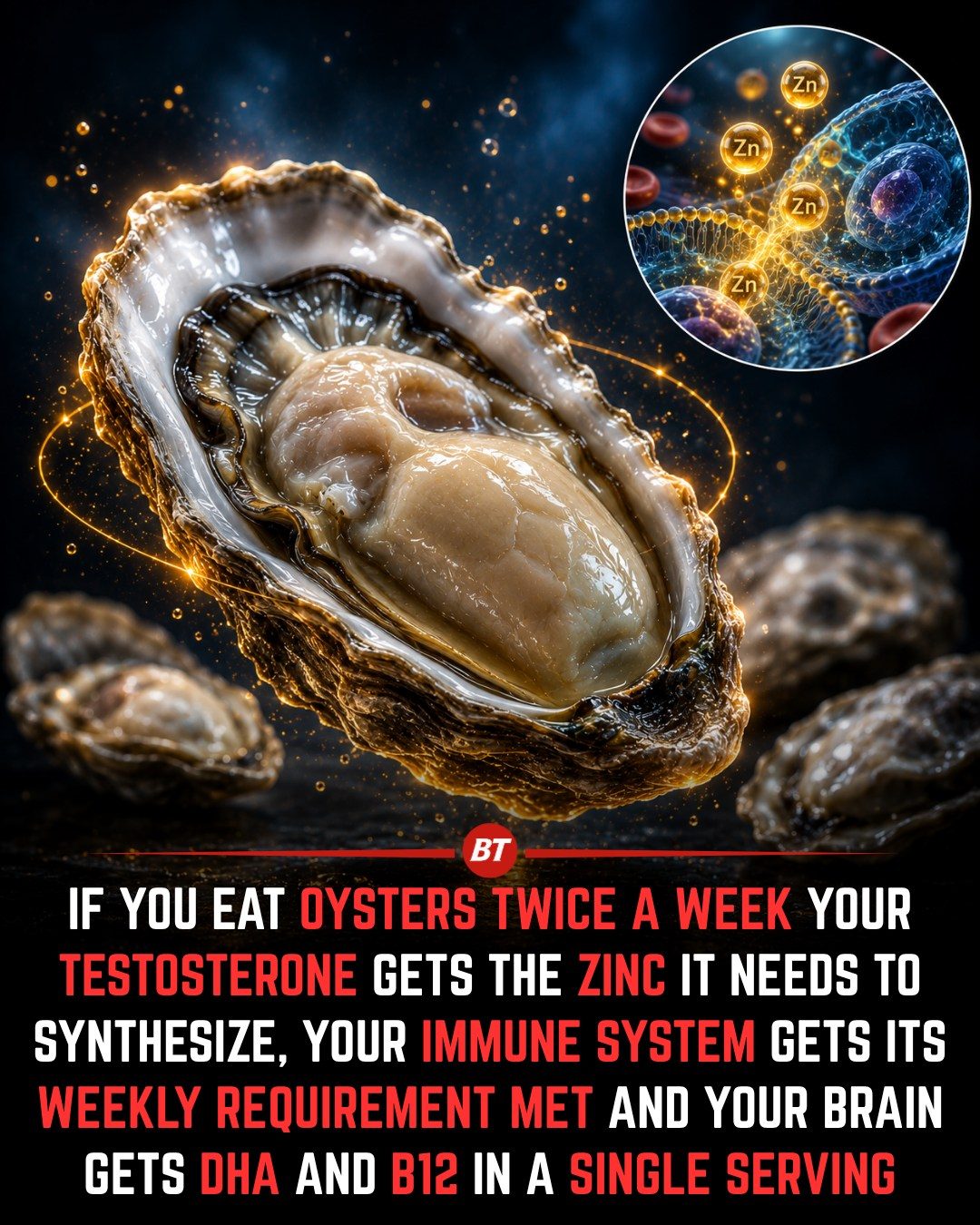
Oysters: A Nutrient-Dense Powerhouse
Oysters aren't just a delicacy; they're one of the most nutrient-dense foods available. Packed with zinc, vitamin B12, and marine omega-3 fats, oysters offer a wealth of health benefits in just a single serving.
Context: Why This Matters
Oysters are often celebrated for their culinary appeal, but their nutritional profile is equally impressive. Understanding the health benefits of oysters can guide dietary choices and enhance overall well-being.
Main Discussion
Zinc: Essential for Testosterone and Immune Function
Zinc plays a crucial role in various bodily functions, including testosterone production and immune system support. A single serving of oysters can provide several times the recommended daily intake of zinc. This mineral is essential for normal testosterone production, immune function, wound healing, and DNA synthesis.
Consuming oysters can help maintain adequate zinc levels, which are vital for both men and women. In men, sufficient zinc intake supports healthy testosterone levels, which are crucial for muscle maintenance, energy levels, and overall health. In women, zinc is essential for reproductive health and immune function.
Vitamin B12: Crucial for Brain and Nervous System Health
Oysters are among the richest natural sources of vitamin B12, a nutrient that helps produce red blood cells, supports healthy nerves, and contributes to normal brain function. Vitamin B12 is particularly important for individuals following plant-based diets, as it is primarily found in animal products. Deficiency in vitamin B12 can lead to anemia, fatigue, and neurological issues, making oysters an excellent dietary choice for maintaining optimal health.
Omega-3 Fatty Acids: Supporting Heart and Brain Health
In addition to zinc and vitamin B12, oysters provide EPA and DHA, the long-chain omega-3 fatty acids found in seafood. These fatty acids support heart health, brain function, and a healthy inflammatory response. Regular consumption of omega-3s can reduce the risk of heart disease, improve cognitive function, and alleviate symptoms of inflammatory conditions.
Additional Nutrients: Selenium, Iron, and More
A 2023 review published in Nutrients highlighted shellfish, including oysters, as highly nutrient-dense foods. These nutrient-dense foods deliver multiple essential micronutrients, such as zinc, B12, selenium, iron, and omega-3 fatty acids, in relatively few calories. For those who enjoy seafood, oysters are one of the most concentrated natural sources of these nutrients.
Practical Tips
Incorporating oysters into your diet can be simple and delicious. Here are some practical tips to enjoy these nutrient-dense delights:
- Consumption Frequency: Enjoy oysters once or twice a week if you like seafood. They can be eaten raw from reputable sources, steamed, grilled, or baked with garlic, lemon, and herbs.
- Preparation Methods:
- Raw: For a fresh and simple experience, raw oysters can be eaten with a squeeze of lemon and a dash of hot sauce.
- Grilled: Grilling oysters with garlic and herbs adds a smoky flavor and retains their natural juices.
- Steamed: Steaming oysters with a bit of wine and shallots can enhance their delicate flavor.
- Baked: Baked oysters with garlic and lemon butter offer a rich and satisfying dish.
Important Takeaways
Oysters provide exceptional amounts of zinc, vitamin B12, and marine omega-3 fats in just a single serving. Regular consumption of oysters can offer several health benefits:
- Zinc: Supports testosterone production, immune function, and overall health.
- Vitamin B12: Promotes brain and nerve health, and supports red blood cell production.
- Omega-3 Fatty Acids: Enhances heart and brain health, and reduces inflammation.
Conclusion
Oysters are more than just a gourmet treat; they are a nutritional powerhouse. Rich in zinc, vitamin B12, and omega-3 fatty acids, oysters offer numerous health benefits that can support various aspects of well-being. Incorporating oysters into your diet can be a tasty and nutritious way to enhance your overall health and vitality. Whether you enjoy them raw, grilled, steamed, or baked, oysters are a versatile and delicious addition to any meal.
Watch the Reel
Questions readers ask
How much zinc does a serving of oysters contain?
A single serving of oysters can contain up to 320% of the recommended daily intake of zinc. This makes oysters one of the best food sources of zinc, which is essential for testosterone production and immune function.
What is the role of vitamin B12 in oysters for brain function?
Vitamin B12 in oysters plays a significant role in maintaining brain function. It supports the production of red blood cells and the maintenance of the central nervous system, helping to prevent conditions like anemia and cognitive decline.
How do omega-3 fats in oysters support overall health?
Oysters contain marine omega-3 fatty acids, which are beneficial for heart health, reducing inflammation, and supporting brain function. These fats can help lower the risk of cardiovascular diseases and improve overall well-being.
Can eating oysters boost testosterone levels?
Yes, oysters can help boost testosterone levels due to their high zinc content. Zinc is a key mineral involved in the production of testosterone, making oysters a beneficial addition to a diet aimed at supporting hormonal health.
What are the best ways to incorporate oysters into a balanced diet?
Oysters can be enjoyed raw, grilled, fried, or baked, and can be incorporated into a variety of dishes, such as stews, salads, and pasta. They can also be consumed as a standalone dish, making it easy to include them in a balanced diet.
Why is vitamin B12 in oysters important for the immune system?
Vitamin B12 in oysters supports immune system health by promoting the production of white blood cells, which help fight off infections. Additionally, vitamin B12 plays a role in DNA synthesis and overall cellular health, contributing to immune function.
Related deep dives
Similar reads based on topic and creator.




Recent articles
Fresh deep dives from the latest Reels we unpacked.




Comments
Be the first to comment.