Tactical Shields: Enhancing Safety and Stability in High-Risk Operations
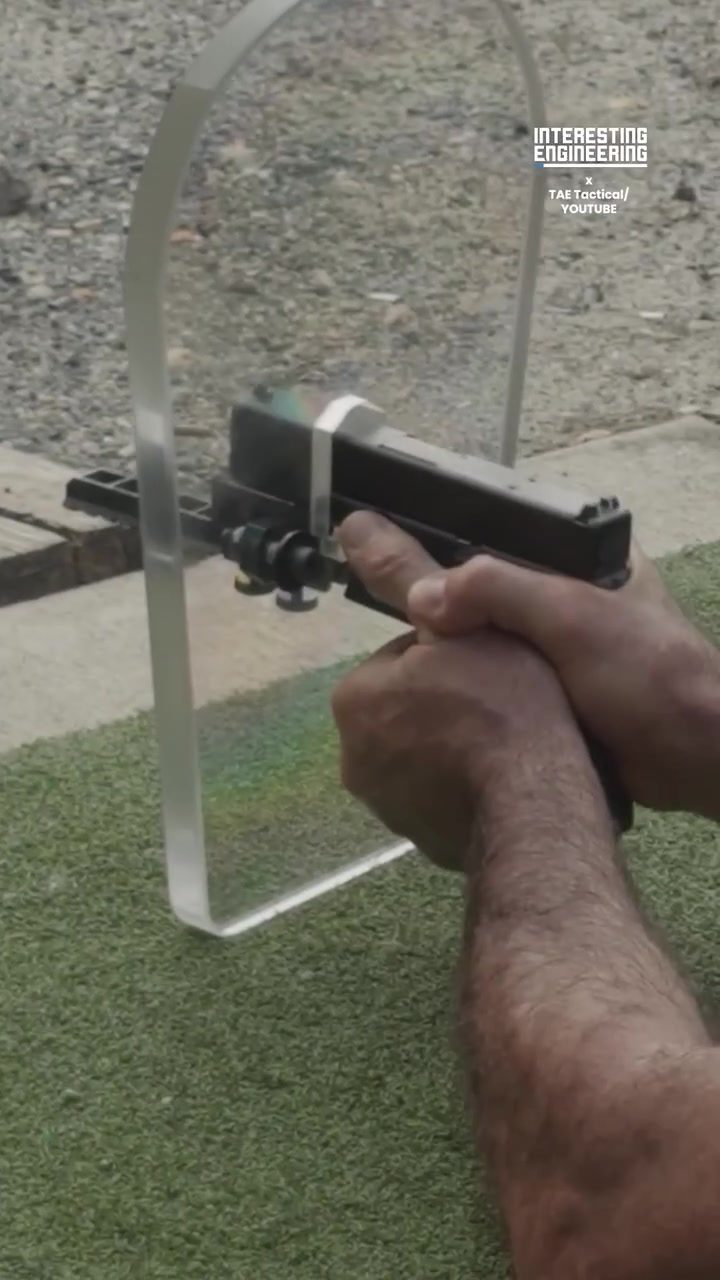
Tactical shields have become indispensable tools for law enforcement officers during high-risk operations. These innovative devices integrate ballistic protection with firearm mounting capabilities, providing officers with enhanced stability and improved visibility. This particular shield design, which mounts pistols and rifles directly into the ballistic structure, exemplifies this innovative approach to tactical gear. This integration aims to improve overall safety and effectiveness in critical situations.
Context / Why this matters
High-risk police operations, such as hostage rescues, active shooter incidents, and high-risk arrests, require law enforcement officers to maintain a high level of protection and mobility. Traditional methods of holding firearms separately while using a shield can compromise stability, visibility, and overall situational awareness. Tactical shields that mount firearms directly into the ballistic structure offer a solution to these challenges, ensuring that officers can operate more effectively and safely.
Main discussion
Design and Functionality
The tactical shield in question is designed to mount pistols and rifles directly into its ballistic structure. This design differs from conventional shields, which typically require officers to hold their firearms separately. By integrating the firearm into the shield, the device provides several key advantages:
Stability
One of the primary benefits of mounting firearms directly into the shield is the improved stability it offers. When a firearm is held separately, the officer's hands are divided between holding the shield and the weapon, leading to potential instability and reduced control. Conversely, a shield that incorporates the firearm provides a unified structure, allowing officers to maintain a firm grip and better control over their movements. This stability is crucial during high-risk operations where precise movements and rapid responses are necessary.
Enhanced Visibility
During high-risk operations, maintaining clear visibility is essential for officers to assess the situation and make informed decisions. Traditional shields often obstruct the officer's line of sight, making it difficult to see clearly. By integrating the firearm into the shield, officers can hold the device at a more optimal angle, providing better visibility without compromising protection. This enhanced visibility allows officers to react more quickly and effectively to changing circumstances, ultimately improving the outcome of the operation.
Operator Protection
The ultimate goal of any tactical operation is to ensure the safety of both the officers and the public. Tactical shields with integrated firearms offer superior protection by providing a consistent barrier against incoming fire. The ballistic structure of the shield is designed to withstand impacts from various projectiles, ensuring that officers are well-protected during high-risk situations. This protection is further enhanced by the stability and control that the integrated design offers, allowing officers to focus on their tasks without the risk of being caught off guard.
Real-World Applications
The design and functionality of these tactical shields are not just theoretical; they have been validated through real-world applications. Law enforcement agencies around the world have begun adopting these shields for their high-risk operations. The feedback from officers who have used these devices highlights their effectiveness in improving stability, visibility, and overall safety. This practical experience underscores the importance of continued innovation in tactical gear to support law enforcement in their critical missions.
Practical tips
Training and Familiarization
While the design of these tactical shields offers numerous advantages, their effectiveness relies on proper training and familiarization. Officers should undergo comprehensive training to understand the nuances of operating these shields, including how to mount and dismount firearms, maintain stability, and adjust visibility for different situations. Regular practice sessions and simulations can help officers become proficient in using these shields, ensuring they are ready for any high-risk operation.
Maintenance and Inspection
Maintaining the integrity of the ballistic structure and the firearm mounting mechanism is crucial for the effective operation of these shields. Regular inspections and maintenance checks should be conducted to identify any potential issues, such as wear and tear on the ballistic material or misalignment of the firearm mounts. Officers should be trained to perform basic inspections and report any issues to their supervisors for further evaluation and repair.
Customization and Adaptability
Different law enforcement agencies have varying requirements based on their operational needs and the environments they operate in. Tactical shields can often be customized to meet these specific needs, such as adjusting the size and shape of the shield, adding additional protective layers, or integrating different types of firearms. Understanding the customization options available and adapting the shield to suit the specific needs of an agency can enhance its effectiveness and ensure that officers are well-equipped for their missions.
Important takeaways
Tactical shields that mount firearms directly into the ballistic structure represent a significant advancement in law enforcement gear. They offer improved stability, enhanced visibility, and superior protection, making them ideal for high-risk operations. Real-world applications and practical experience have demonstrated the effectiveness of these shields, highlighting their importance in maintaining the safety and operational efficiency of law enforcement officers.
Conclusion
Innovations in tactical gear, such as the shield design discussed, play a critical role in enhancing the safety and effectiveness of law enforcement operations. By integrating firearms directly into the ballistic structure, these shields provide a unified solution that addresses the challenges of stability, visibility, and protection. Continued innovation and adaptation in this field will ensure that law enforcement officers are well-equipped to handle the ever-evolving threats they face, ultimately contributing to safer communities and more successful operations.
Watch the Reel
Questions readers ask
What are tactical shields and why are they used in high-risk operations?
Tactical shields are specialized protective gear designed for law enforcement officers in high-risk situations. They integrate ballistic protection with firearm mounting abilities, allowing officers to maintain stability and situational awareness during critical operations such as hostage rescues or active shooter incidents. This integration enhances both the officer's safety and their effectiveness in handling these dangerous scenarios.
How does integrating firearms into tactical shields improve situational awareness?
Integrating firearms into the ballistic structure of tactical shields allows officers to keep both hands on the shield and the weapon at the same time. This dual capability boosts situational awareness by enabling officers to maintain a protective barrier while also having their weapon ready to use. This seamless integration means that officers can quickly respond to threats without compromising their protection.
What types of firearms can be mounted on tactical shields?
Tactical shields are designed to accommodate various types of firearms, including pistols and rifles. The specific type of firearm integrated into the shield depends on the design and purpose of the shield. Some shields are tailored to support rifles, which are ideal for scenarios requiring more firepower and accuracy, while others are optimized for pistols, which offer a more compact solution suitable for close-quarters environments.
How can a custom device help in shattering glass shields?
A custom device designed to shatter glass shields can be a valuable tool for law enforcement in certain tactical situations. These devices are typically engineered to target specific types of glass, such as ballistic glass, without causing collateral damage. The customization ensures that the device can effectively break through the glass shield while minimizing the risk to the officer and the surrounding environment.
What are the benefits of using a custom glass-shattering device in law enforcement?
Custom glass-shattering devices offer several benefits for law enforcement. Firstly, they provide a non-lethal method to incapacitate a suspect or neutralize a threat by disrupting their protective barrier. Secondly, these devices can be used to create an entry point for rescue operations, such as hostage rescues, without causing significant harm to the hostages or the surrounding area. Lastly, they can be integrated into training programs to simulate real-world scenarios and enhance officers' readiness for such situations.
Can tactical shields be customized for specific operations?
Yes, tactical shields can be customized to meet the specific needs of different operations. Customization can include modifications to the ballistic structure to accommodate specific types of firearms, adjustments to the shield's size and weight, and the addition of specialized features such as integrated lighting or communication devices. This tailor-made approach ensures that the shield optimally supports the officer's requirements during high-risk operations.
What are the key considerations when integrating firearms into tactical shields?
When integrating firearms into tactical shields, several key considerations must be taken into account. These include ensuring that the ballistic structure remains intact and provides adequate protection, maintaining the stability of the shield while in use, and optimizing the positioning of the firearm for quick and effective deployment. Additionally, the weight and ergonomics of the shield must be balanced to prevent fatigue and to ensure ease of use during prolonged operations.
Recent articles
Fresh deep dives from the latest Reels we unpacked.




Comments
Be the first to comment.