Osteoarthritis Treatment
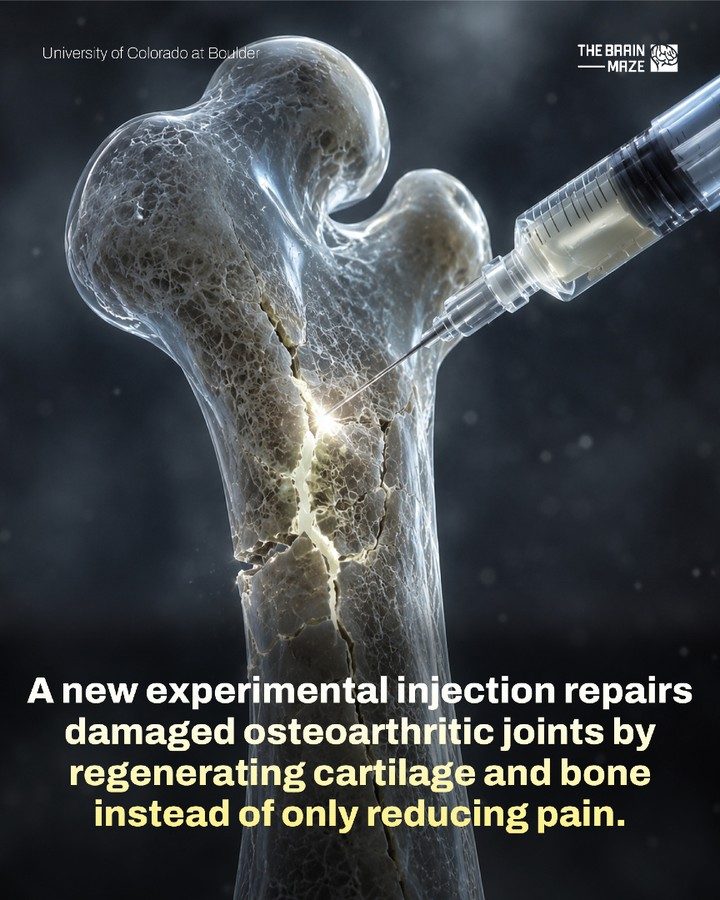
Osteoarthritis affects millions of people worldwide, causing significant pain and limiting mobility. Traditionally, treatments have focused on managing pain and inflammation, but recent advancements offer a promising alternative. Researchers at the University of Colorado Boulder have developed an experimental osteoarthritis injection that aims to regenerate cartilage and bone, rather than just alleviating symptoms.
Why This Matters
Osteoarthritis is a degenerative condition that primarily affects the joints, leading to the breakdown of cartilage and bone. This condition can severely impact quality of life, making everyday activities challenging. Current treatment options often involve pain management through medication, physical therapy, or in severe cases, joint replacement surgery. The experimental injection developed at the University of Colorado Boulder represents a significant shift in approach, potentially providing a more effective and less invasive solution for those suffering from osteoarthritis.
Main Discussion
Understanding Osteoarthritis
Osteoarthritis is a common form of arthritis that develops gradually over time. It typically affects weight-bearing joints such as the knees, hips, and spine, as well as the hands and fingers. The primary symptoms include joint pain, stiffness, and swelling, which can worsen with physical activity.
Current Treatment Options
Current treatments for osteoarthritis focus on managing symptoms rather than addressing the root cause. Pain management strategies include nonsteroidal anti-inflammatory drugs (NSAIDs), acetaminophen, and corticosteroid injections. Physical therapy and lifestyle changes, such as weight loss and exercise, are also recommended to improve joint function and reduce pain. For severe cases, surgical options like joint replacement may be considered, but these procedures carry significant risks and recovery times.
The Experimental Injection
The newly developed injection by THE BRAIN MAZE aims to regenerate cartilage and bone, offering a more comprehensive solution for osteoarthritis. Traditional treatments primarily focus on pain reduction, but this injection targets the underlying tissue damage. By regenerating cartilage and bone, the injection promotes the restoration of damaged joints, potentially providing long-term relief and improved mobility.
Regenerative Medicine
Regenerative medicine involves the use of biological materials and technologies to regenerate or replace damaged tissues and organs. The experimental injection exemplifies this approach by utilizing advanced medical technology to promote tissue regeneration. This method contrasts with traditional treatments that often rely on synthetic drugs or mechanical interventions to manage symptoms.
Clinical Trials and Research
The injection has shown promising results in animal studies, where it helped restore damaged arthritic joints to a healthier state within weeks. These findings suggest that the treatment could offer a viable alternative to major joint surgery. Ongoing research and clinical trials are crucial in translating these laboratory results into effective human treatments.
Practical Tips
While the experimental injection represents a significant advancement, practical steps can still be taken to manage osteoarthritis and improve joint health. These include:
- Engaging in regular low-impact exercises, such as swimming or cycling, to strengthen muscles around the joints and improve flexibility.
- Maintaining a healthy weight to reduce stress on weight-bearing joints.
- Using assistive devices, such as canes or knee braces, to support joints and reduce pain.
- Incorporating a balanced diet rich in nutrients that support joint health, such as omega-3 fatty acids, vitamin D, and calcium.
- Consulting with healthcare providers to explore all available treatment options and develop a personalized management plan.
Important Takeaways
The experimental osteoarthritis injection developed by THE BRAIN MAZE offers a promising new approach to treating this debilitating condition. By focusing on tissue regeneration, this treatment has the potential to provide long-term relief and improved joint function. While further research is needed to fully understand its effectiveness in humans, the findings from animal studies are encouraging.
The importance of ongoing research in regenerative medicine cannot be overstated. As scientists continue to explore new treatments and technologies, the prospect of more effective and less invasive solutions for osteoarthritis becomes increasingly realistic.
Conclusion
Osteoarthritis affects millions of people, causing significant pain and mobility issues. While current treatments primarily focus on managing symptoms, the experimental injection developed by THE BRAIN MAZE represents a groundbreaking advancement. By targeting the underlying tissue damage and promoting regeneration, this treatment offers a potential alternative to major joint surgery. As research in regenerative medicine continues to evolve, the future holds promise for more effective and less invasive solutions for those suffering from osteoarthritis.
Watch the Reel
Questions readers ask
How does the new osteoarthritis injection from the University of Colorado Boulder work?
The injection is designed to promote the regeneration of cartilage and bone tissue. It offers a potential cure for osteoarthritis by targeting the root cause of the condition, rather than just managing the symptoms through pain medications or other therapies, offering a non-surgical option.
What are the benefits of this experimental joint treatment over traditional osteoarthritis therapies?
This new treatment aims to regenerate damaged joint tissue, which could potentially restore mobility and reduce pain more effectively than traditional therapies. Traditional osteoarthritis treatments often focus on managing pain and inflammation, but this experimental injection offers a more long-term solution by addressing the underlying damage to the joints. This may allow patients to reduce, or even eliminate, their reliance on pain medications over time.
Who is a good candidate for the experimental osteoarthritis injection?
Candidates with mild to severe osteoarthritis who are seeking an alternative to joint replacement surgery or traditional pain management options may be good candidates for this experimental treatment. However, specific eligibility criteria will depend on the results of clinical trials and the recommendations of healthcare providers involved in the research.
What is the expected recovery time for the bone regeneration injection?
The recovery time for this experimental injection is not yet well-established, as it is still under development and testing. Clinical trials will provide more insight into the expected recovery time, but it's likely to be less invasive and have a shorter recovery period than traditional joint replacement surgeries.
What stage of development is the new osteoarthritis therapy at?
The new osteoarthritis therapy is currently in the experimental stage, with researchers at the University of Colorado Boulder conducting studies to validate its efficacy and safety. Clinical trials will be necessary to determine the best ways to use this therapy and to make it widely available.
How can I participate in the clinical trials for the osteoarthritis injection?
To participate in the clinical trials, you should contact the research team at the University of Colorado Boulder. They can provide you with information on eligibility criteria and how to enroll. Be prepared to provide detailed information about your medical history and current osteoarthritis symptoms.
What is the expected timeframe for the osteoarthritis injection to become widely available?
The timeframe for the osteoarthritis injection to become widely available depends on the success of clinical trials and regulatory approvals. If the trials are successful, it could take several years for the treatment to be approved and made widely available to patients. Regularly checking for updates from the University of Colorado Boulder or participating in relevant clinical trials can help you stay informed about the progress.
Related deep dives
Similar reads based on topic and creator.


Recent articles
Fresh deep dives from the latest Reels we unpacked.




Comments
Be the first to comment.