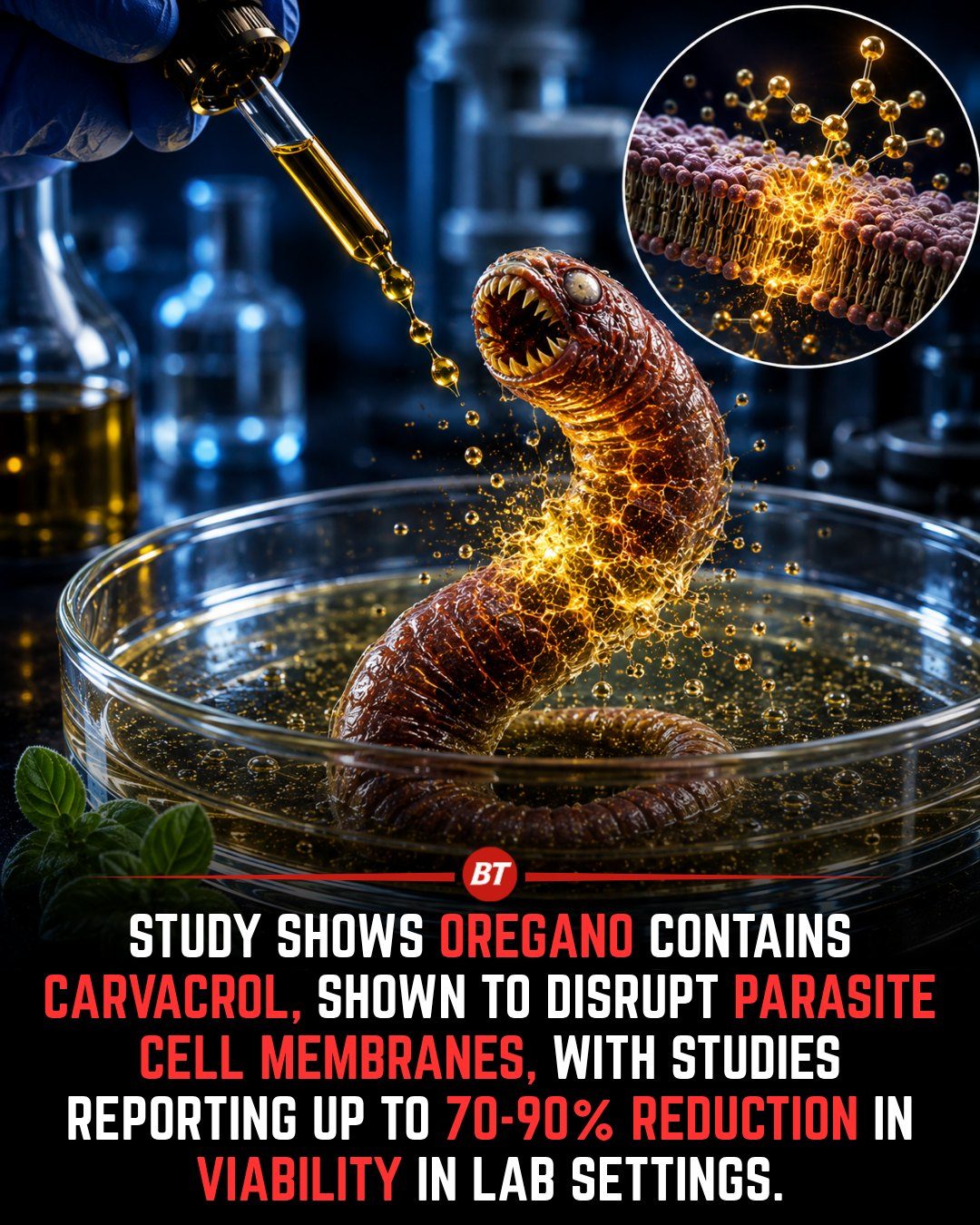
Carvacrol and Parasite Disruption
Oregano is a popular herb known for its culinary uses, but it also contains a powerful compound called carvacrol. This substance has garnered significant scientific interest due to its potential to disrupt parasite cell membranes.
Why This Matters
Parasites are organisms that live on or in a host and derive nourishment at the host's expense. They can cause a range of health issues, from mild discomfort to severe illness. Traditional treatments for parasitic infections often involve pharmaceuticals that can have side effects. Understanding natural compounds like carvacrol that may offer alternative or supplementary treatments is crucial for advancing healthcare options.
Oregano has long been used in traditional medicine for its antimicrobial properties. Carvacrol, one of its key components, is believed to be responsible for these effects.
The Science Behind Carvacrol
Oregano and Carvacrol
Certain plants produce compounds to defend against insects, fungi, and harmful microbes. Oregano is one such plant, and carvacrol is one of its primary defense mechanisms. Research has shown that this compound can interfere with the protective outer membranes of certain parasites, making it harder for them to survive. This finding is significant because it suggests that carvacrol could be a potent tool in the fight against parasitic infections.
Mechanism of Action
Studies published in journals like Parasitology Research, Frontiers in Veterinary Science, and the Journal of Applied Microbiology have found that carvacrol significantly reduces the viability of several parasite species in laboratory experiments. The compound works by disrupting the parasite's cell membrane and interfering with essential cellular functions. This disruption can lead to a reduction in parasite viability by up to 70-90%, depending on the parasite and testing conditions.
Laboratory Findings
Laboratory studies have provided compelling evidence of carvacrol's effectiveness. In controlled settings, carvacrol has been shown to disrupt parasite cell membranes, leading to a significant reduction in their viability. This disruption is crucial because it interferes with the parasite's ability to survive and replicate, making it a promising candidate for further research.
Practical Tips
Incorporating Oregano into Your Diet
While more research is needed to recommend oregano or oregano oil as a treatment for parasitic infections, incorporating oregano into your diet can offer numerous health benefits. Oregano is rich in antioxidants, polyphenols, flavonoids, and aromatic compounds that have been studied for their antimicrobial and anti-inflammatory properties.
Try adding fresh or dried oregano to your meals. It pairs well with roasted vegetables, tomato sauces, soups, grilled meats, and salads. This not only enhances the flavor of your dishes but also provides a nutritious addition to your everyday meals.
Using Oregano Oil
Oregano oil is a concentrated form of the herb and can be used topically or internally (with caution). If you choose to use oregano oil, it's essential to dilute it properly and consult a healthcare provider, especially if you plan to use it internally.
Important Takeaways
- Carvacrol, a compound found in oregano, has been shown to disrupt parasite cell membranes in laboratory settings.
- Studies have reported reductions in parasite viability by up to 70-90% in controlled conditions.
- While promising, more human clinical trials are needed before oregano or oregano oil can be recommended as a treatment for parasitic infections.
- Oregano is a rich source of antioxidants and has been studied for its antimicrobial and anti-inflammatory properties.
Conclusion
Oregano's potential as a natural defense against parasites is both intriguing and promising. Carvacrol’s ability to disrupt parasite cell membranes opens up new avenues for research and potential treatments. While more studies are needed to fully understand its effects in humans, incorporating oregano into your diet can offer numerous health benefits. Whether you're adding it to your favorite dishes or exploring its potential medicinal uses, oregano remains a valuable and versatile herb with much to offer.
Watch the Reel
Questions readers ask
What is carvacrol and how does it combat parasites?
Carvacrol is a active compound found in oregano that has shown potential in fighting parasites. It works by disrupting the cell membranes of parasites, making it difficult for them to survive and proliferate.
Can oregano be used as a natural alternative to traditional parasite medicines?
Yes, oregano, specifically the carvacrol compound, has been explored as a natural alternative. Its ability to disrupt parasite cell membranes offers a promising avenue for those seeking to avoid pharmaceuticals or supplement traditional treatments.
What are some of the benefits of using carvacrol for parasite infections?
Carvacrol benefits include its natural origin and the potential to avoid side effects associated with traditional pharmaceutical treatments. It offers a supplementary or alternative approach to managing parasite infections.
How does carvacrol affect parasite cell membranes?
Carvacrol interferes with parasite cell membranes, leading to disruption and eventual cell death. This process makes it a potent natural parasite fighter and a subject of interest in laboratory studies and research.
What do research studies say about carvacrol and its effectiveness against parasites?
Scientific research has shown that carvacrol can significantly reduce parasite viability, making it a promising candidate for further investigation. Laboratory studies have demonstrated its potential, but more clinical trials are needed to fully understand its impact on human health.
How can oregano be used to treat parasite infections?
Oregano, rich in carvacrol, can be used in various forms, such as oil, tea, or capsules, in the fight against parasite infections. It's important to consult with a healthcare provider before starting any treatment, as oregano and carvacrol should be used safely and appropriately.
Are there any specific laboratory studies that highlight carvacrol's effectiveness?
Several laboratory studies have shown that carvacrol can disrupt parasite cell membranes, leading to their death. These studies highlight its potential as a natural parasite fighter and suggest that it could be a useful supplement to traditional treatments.
Related deep dives
Similar reads based on topic and creator.




Recent articles
Fresh deep dives from the latest Reels we unpacked.




Comments
Be the first to comment.