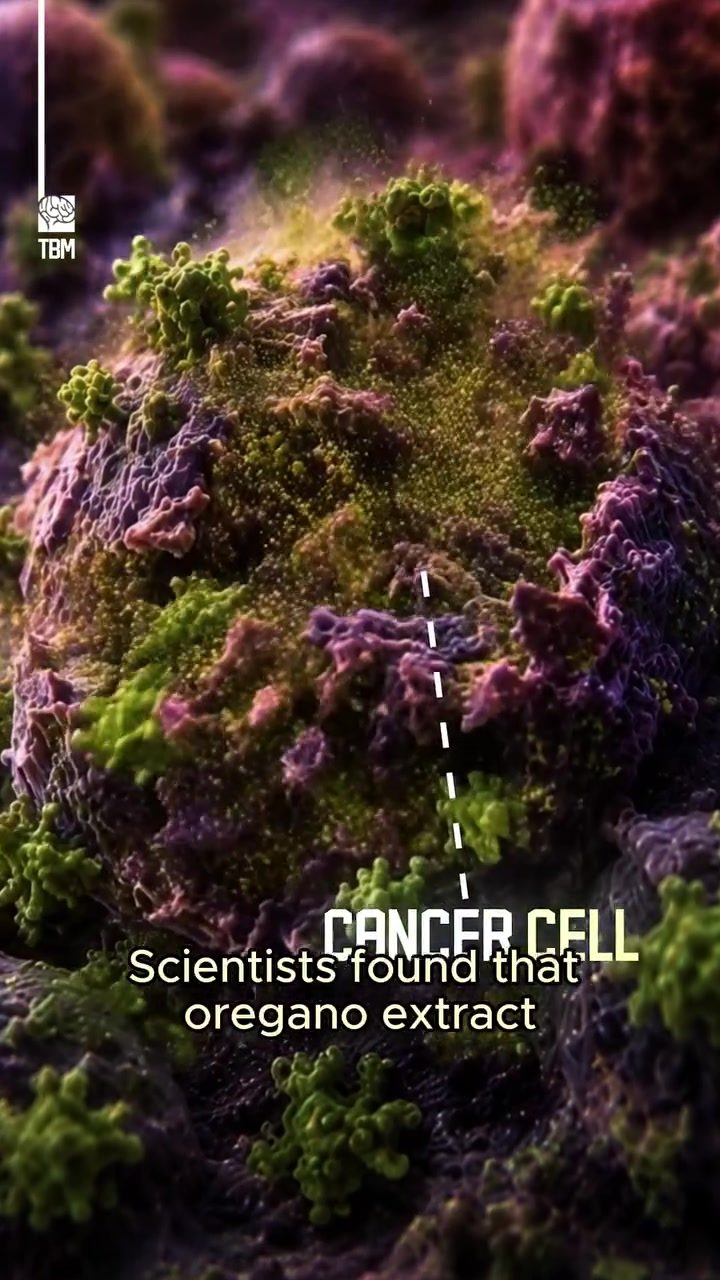
Oregano has been used for centuries as a spice in cooking and for its various medicinal properties. Recent research has shed light on another potential benefit: its impact on cancer cells. Scientists have found that oregano extract can significantly reduce the survival of melanoma cells in a lab setting. The extract, particularly rich in compounds like carvacrol and thymol, has shown promising results, though it's important to understand the context and limitations of these findings.
Context / Why this matters
Oregano, a staple in many kitchens, is part of the mint family and is native to the Mediterranean region. It has long been valued for its antimicrobial and antioxidant properties. The recent findings about its potential impact on cancer cells add a new dimension to its potential health benefits. Understanding these findings can provide insights into new avenues for cancer research and potential treatments.
Main discussion
Recent research has shown that oregano extract can significantly reduce the survival of melanoma cells. Let's delve into the details of this study and what it means.
The Study and Its Findings
The study involved exposing melanoma cells to highly concentrated oregano extract in a petri dish. Over a period of 48 hours, researchers observed a substantial drop in the number of surviving cancer cells, with up to 80% of the cells being affected. The key compounds in oregano extract, carvacrol and thymol, are believed to trigger cell death in these cancer cells.
The Role of Carvacrol and Thymol
Carvacrol and thymol are the primary active compounds in oregano extract. These compounds have been studied for their various health benefits, including their antimicrobial and antioxidant properties. In the context of cancer research, these compounds are believed to induce cell death in cancer cells, making them potential candidates for further investigation.
The Lab Setting
It's crucial to note that this study was conducted in a controlled laboratory environment using highly concentrated oregano extract. This means that the results, while promising, are not directly applicable to human health. The highly concentrated extract used in the lab setting is not equivalent to the oregano extract found in typical spice formulations or dietary supplements. Translation of these findings into practical medical treatments will require extensive further research.
Practical tips
While the findings are promising, it's essential to approach this information with caution. Here are some practical tips to consider:
Consult Healthcare Professionals
If you are considering incorporating oregano into your diet or supplement regimen, especially with the intention of managing or preventing cancer, consult with a healthcare professional. They can provide personalized advice based on your health condition and dietary needs.
Focus on a Balanced Diet
Oregano is just one of many herbs and spices with potential health benefits. Focusing on a balanced diet rich in various fruits, vegetables, and herbs can provide overall health benefits, including potential cancer prevention.
Stay Informed
Stay updated with the latest research on oregano and its potential health benefits. As more studies are conducted, we will gain a better understanding of how oregano extract can be used in medical treatments.
Avoid Self-Medication
Do not attempt to self-medicate with concentrated oregano extract based on these findings. The extract used in the study was highly concentrated and administered in a controlled lab setting. Self-medication could be harmful and ineffective.
Important takeaways
While the research on oregano extract and its impact on cancer cells is promising, it's important to recognize the limitations of early-stage studies. Here are the key takeaways:
- Oregano extract, particularly rich in carvacrol and thymol, has shown potential in reducing the survival of melanoma cells in a lab setting.
- The study was conducted in a controlled laboratory environment using highly concentrated extract, which is not equivalent to typical dietary or supplement use.
- More research, including animal and human studies, is needed to determine the practical medical applications of these findings.
- Consult with healthcare professionals before making significant changes to your diet or supplement regimen based on these findings.
Conclusion
The discovery that oregano extract can significantly reduce the survival of melanoma cells is an exciting development in cancer research. While these findings are promising, it's essential to understand the context and limitations of the study. As research continues, we may see oregano extract and its key compounds, carvacrol and thymol, play a role in future cancer treatments. However, it's crucial to approach this information with caution and rely on healthcare professionals for personalized advice.
Watch the Reel
Questions readers ask
What specific compounds in oregano extract are linked to its effects on cancer cells?
The key compounds in oregano extract that have shown promise in cancer cell research are carvacrol and thymol. These compounds are believed to contribute to the extract's ability to reduce the survival of melanoma cells in lab settings, though it's important to note that the research is still in its early stages.
How does oregano extract impact melanoma cells in lab settings?
Oregano extract has been shown to significantly reduce the survival of melanoma cells in controlled lab environments. This effect is attributed to the presence of compounds like carvacrol and thymol, which have demonstrated promising results in inhibiting the survival of these cancer cells.
What are the potential benefits of oregano extract beyond its culinary uses?
Beyond its traditional culinary and medicinal uses, oregano extract has shown potential benefits in cancer cell research. It has been found to impact the survival of melanoma cells, adding a new layer to its already known antimicrobial and antioxidant properties.
Can oregano extract be considered a natural cancer treatment?
While oregano extract has shown promising results in reducing the survival of melanoma cells in lab settings, it is premature to consider it a definitive natural cancer treatment. More research, particularly human clinical trials, is needed to fully understand its potential and limitations in cancer treatment.
What role do carvacrol and thymol play in the potential cancer-fighting properties of oregano extract?
Carvacrol and thymol are key compounds in oregano extract that have been identified as contributing to its potential cancer-fighting properties. These compounds have been linked to the extract's ability to reduce the survival of melanoma cells in lab studies, making them subjects of interest in continued research.
What does the research on oregano extract and cancer cells mean for future studies?
The findings on oregano extract's impact on cancer cells open up new avenues for research. Future studies may focus on understanding the mechanisms behind these effects, conducting more comprehensive lab tests, and eventually moving on to clinical trials to assess its potential benefits in cancer treatment.
How should the findings on oregano extract and cancer cells be interpreted?
The findings should be interpreted with caution, as the research is still in its early stages and has primarily been conducted in lab settings. While the results are promising, it's crucial to understand that more extensive studies, including human trials, are necessary to validate these effects and determine the practical implications for cancer treatment.
Related deep dives
Similar reads based on topic and creator.

Recent articles
Fresh deep dives from the latest Reels we unpacked.




Comments
Be the first to comment.