Orchid Light Exposure: Understanding Your Plant’s Needs
Orchids are a popular choice for indoor plants. They offer a splash of color and a touch of the exotic. One of the most critical aspects of orchid care is understanding their light requirements. Leaf color can be a good indicator of how much light your orchid is receiving, helping you create the ideal environment for a thriving plant.
Why This Matters
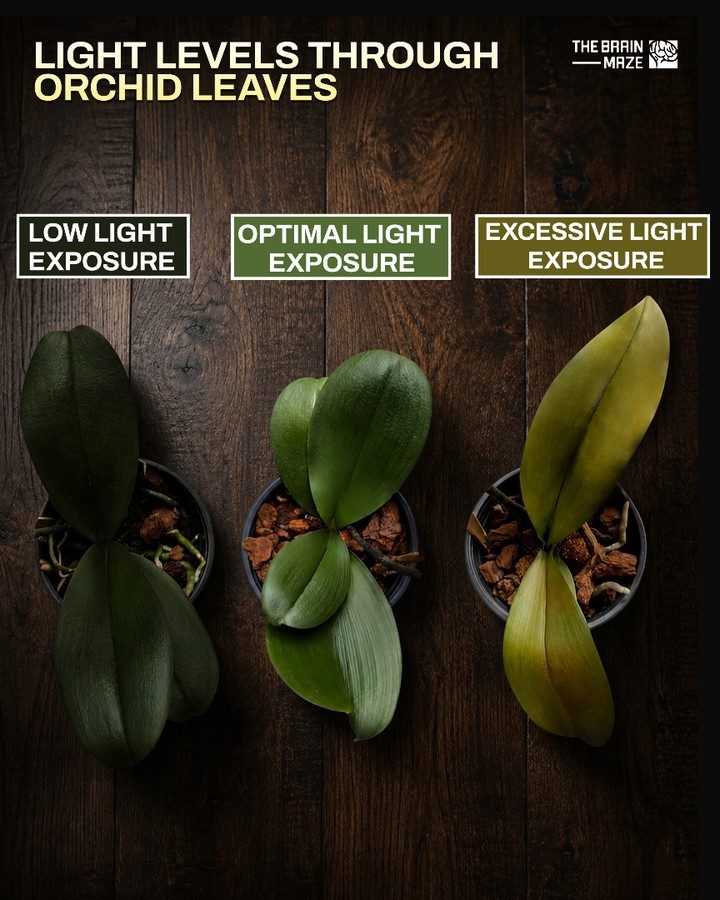
The Brain Maze demonstrates through visual examples how different light levels affect orchid leaves. By recognizing the subtle cues from your orchid's foliage, you can significantly impact its overall health and bloom potential. Understanding the signs helps you adjust your orchid's placement, ensuring it gets the perfect amount of light to thrive.
Decoding Orchid Leaves: What They Tell You
Low Light Exposure
Dark green leaves often indicate low light conditions. While this may not immediately seem like a problem, it can be a sign that the orchid isn’t getting enough light for optimal growth and flowering. Insufficient light can lead to:
- Stunted growth
- Fewer flowers
- Leggy stems
If your orchid leaves are a deep, almost glossy green, consider moving it to a brighter location. However, this process should be gradual to avoid shocking the plant. Typically, an east-facing window or a shaded south-facing window provides a good level of light without being too intense.
Optimal Light Exposure
Healthy medium-green leaves suggest that your orchid is receiving the right amount of light. This is the sweet spot for most orchids, allowing them to photosynthesize efficiently and produce flowers. Key indicators of optimal light exposure include:
- Vibrant, healthy green leaves
- Robust stems
- Regular flowering
Orchids in optimal light conditions often display vibrant, healthy foliage and regular blooms. If your orchid is thriving with these conditions, maintain its current placement but keep an eye on the leaf color to ensure it stays healthy. If you notice changes, you may need to adjust its position slightly.
Excessive Light Exposure
Yellowish or pale leaves are a clear sign of excessive light exposure. While it might seem counterintuitive, too much light can be harmful to orchids, causing:
- Yellowing or pale leaves
- Sunburn spots
- Reduced flowering
Excessive light can damage the leaves and hinder the plant’s ability to produce flowers. If your orchid shows signs of too much light, move it to a shadier spot, but be careful not to introduce too much shade suddenly. Gradual adjustments are best for maintaining the health of your orchid.
Practical Tips for Orchid Light Management
Choosing the Right Spot
- Evaluate Your Space: Observe the light levels in different areas of your home. East- and west-facing windows can provide a balance of light and shade, while north-facing windows generally offer softer light.
- Monitor Throughout the Day: Light intensity changes during the day, so check your orchid at different times to ensure it gets the right amount of light.
- Use Sheer Curtains or Blinds: If direct sunlight is an issue, sheer curtains or blinds can help diffuse the light, creating a more suitable environment for your orchid.
Adjusting Light Levels
- Rotate Your Orchid: Regularly rotating your orchid can help ensure that all parts of the plant receive adequate light, preventing uneven growth and leaf coloration.
- Use Reflective Surfaces: Placing your orchid near a reflective surface, like a white wall or a mirror, can help maximize the available light, especially in dimmer areas.
- Consider Artificial Light: If natural light is insufficient, supplemental grow lights can provide the necessary illumination. Look for full-spectrum bulbs that mimic natural sunlight.
Important Takeaways
Understanding your orchid's light needs is essential for its overall health. By observing the color and condition of the leaves, you can make informed decisions about its placement. Remember, gradual adjustments are key to preventing shock and promoting robust growth. Use the following guidelines to keep your orchid thriving:
- Dark green leaves: Low light conditions; move to a brighter spot gradually.
- Healthy medium-green leaves: Optimal light exposure; maintain current placement.
- Yellowish or pale leaves: Excessive light; move to a shadier spot gradually.
Conclusion
By paying close attention to your orchid's leaves, you can create an environment that fosters growth and vibrant blooms. Adjusting the light levels based on the signs your orchid gives you can make a world of difference in its overall health and beauty. Keep these tips in mind, and enjoy the rewarding experience of nurturing a thriving orchid.
Watch the Reel
Questions readers ask
What are the signs of excessive light exposure in orchids?
If your orchid's leaves are turning reddish or yellowish, especially on the underside, it might be receiving too much light. Direct sunlight can cause sunburn, so consider moving your orchid to a spot with indirect light. Additionally, if the leaves appear bleached, it's a clear sign that the plant is getting too much exposure.
How can I tell if my orchid is not getting enough light?
Orchids that aren't getting enough light will typically have dark green leaves. This is a sign that the plant is stretching towards the light, which can result in elongated stems and fewer blooms. If you notice this, move your orchid to a brighter location, preferably near a north-facing window or a spot with bright, indirect light.
What is the optimal light level for most orchids?
Most orchids thrive in bright, indirect light. This means placing your orchid near a window where it can receive plenty of light without being in direct sunlight. East- or west-facing windows are often ideal, as they provide the right balance of light throughout the day.
Can different types of orchids have varying light needs?
Yes, different orchid species have unique light requirements. Some orchids, like Phalaenopsis, prefer lower light levels, while others, such as Vanda, need high light levels. Research the specific needs of your orchid type to ensure it's placed in the best spot.
How can I adjust the light conditions for my orchid?
You can adjust the light conditions for your orchid by moving it to a different location in your home. If your orchid is getting too much light, move it further from the window or to a spot with more shade. If it's not getting enough light, try moving it closer to a window or using a grow light to supplement natural light.
What role does light play in the blooming of orchids?
Light is crucial for orchid blooming. Insufficient light can result in fewer or no blooms, while excessive light can cause stress and affect the plant's overall health, indirectly impacting its ability to produce flowers. Ensuring the right light conditions helps promote robust and frequent blooming.
What are the best window orientations for orchids?
For most orchids, east- or west-facing windows are ideal because they provide bright, indirect light throughout the day. North-facing windows can work too, but they provide less light, which is suitable for low-light orchids. South-facing windows might be too intense for most orchids, potentially causing sunburn, so they are generally not recommended unless you have a way to diffuse the light.
Recent articles
Fresh deep dives from the latest Reels we unpacked.




Comments
Be the first to comment.