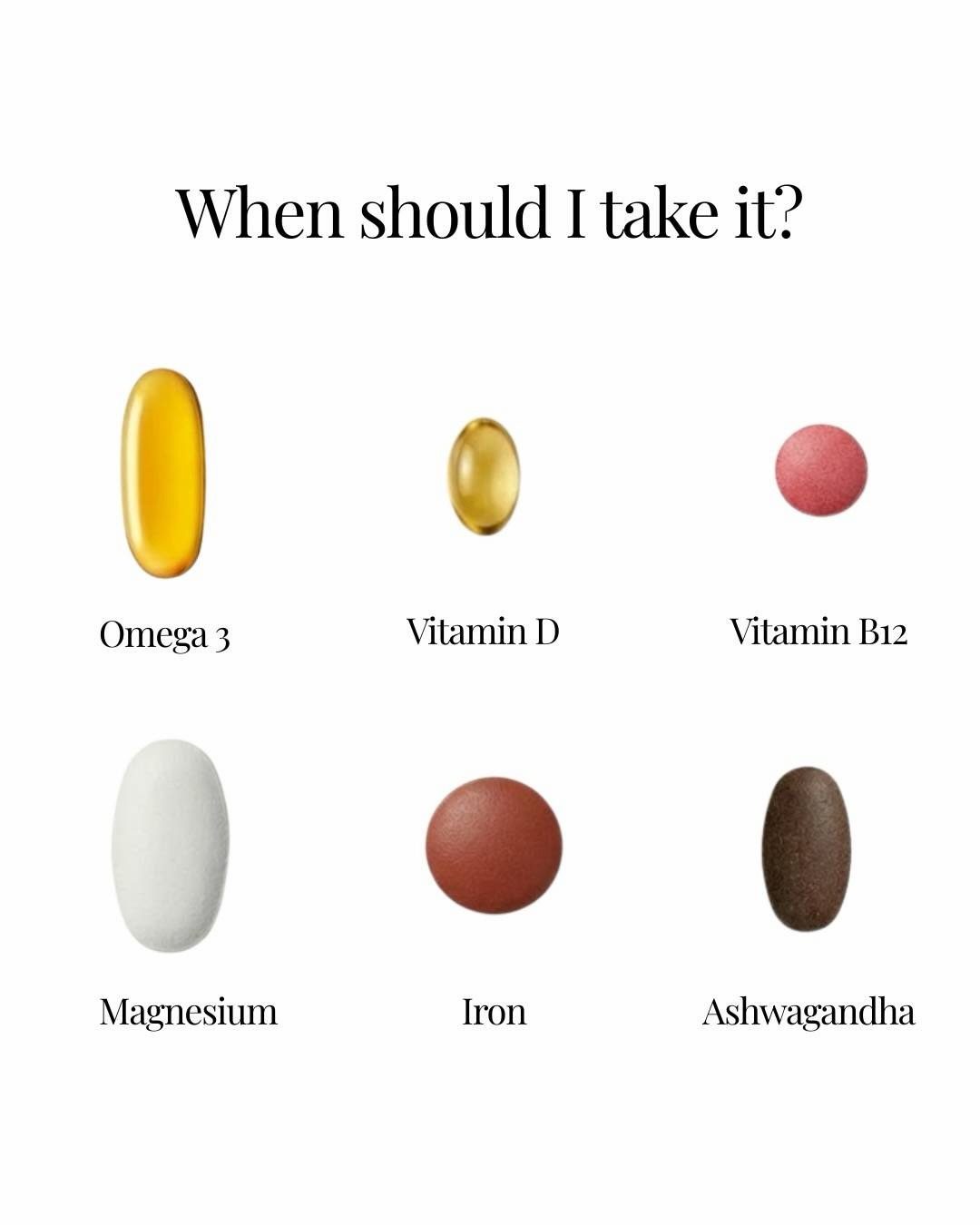
When to Take Your Supplements for Maximum Effectiveness
Most people take their supplements randomly, but timing can significantly enhance their effectiveness. Proper timing can help absorption, improve benefits, and reduce potential side effects. Here’s a guide to help optimize your supplement intake.
Why Timing Matters
Supplements are designed to support various aspects of health, but their effectiveness can vary greatly depending on when they are taken. Taking supplements at the right time can enhance their absorption, making them more effective. Conversely, taking them at the wrong time can lead to reduced benefits or even unwanted side effects. Understanding the best times to take common supplements can help you get the most out of your health regimen.
Different Supplements, Different Timings
Omega-3
Omega-3 supplements are essential for heart health and reducing inflammation. For better absorption and to avoid stomach discomfort, take Omega-3 with meals. Fatty acids found in food can aid in the digestion and absorption of Omega-3. This can also help minimize any potential gastrointestinal issues that some people experience when taking Omega-3 on an empty stomach.
Vitamin D
Vitamin D is crucial for bone health and immune function. Because it is fat-soluble, taking Vitamin D with a meal that contains healthy fats can significantly improve its absorption. The best times to take Vitamin D are in the morning or during lunch. Pairing it with a meal that includes healthy fats, such as avocados, nuts, or fatty fish, can enhance its effectiveness. One notable brand, Omnisun, offers a 2000 IU Vitamin D supplement that emphasizes taking it with meals containing healthy fats, such as buttermilk or lunch.
Vitamin B12
Vitamin B12 is key for energy production and nervous system health. For daytime energy, take Vitamin B12 in the morning, ideally with or after breakfast. This timing aligns with the body's natural circadian rhythms and can boost energy levels throughout the day. However, avoid taking Vitamin B12 with tea or coffee. Both beverages can interfere with the absorption of B12. Instead, wait for 30-45 minutes after consuming these beverages before taking your supplement. Proteinari offers a fast-dissolving 500mcg B12 supplement that is designed to be taken in the morning for optimal energy benefits.
Iron
Iron is essential for oxygen transport in the blood, but it can cause digestive issues if not taken correctly. For better absorption, take iron in the morning or between meals. Pairing it with a source of vitamin C, such as citrus fruits or a glass of orange juice, can enhance absorption. Avoid taking iron with coffee, tea, or dairy products, as these can inhibit absorption. Instead, wait for at least 2-3 hours after consuming these items before taking your iron supplement.
Magnesium
Magnesium supports muscle and nerve function, blood sugar control, and blood pressure regulation. For these benefits, take magnesium in the evening or before bed. This timing can promote relaxation, support recovery, and improve sleep quality. Taking magnesium at night can also help reduce muscle cramps and promote overall relaxation.
Ashwagandha
Ashwagandha is an adaptogenic herb known for its stress-reducing properties. For best results, take Ashwagandha in the night, ideally 30-60 minutes before sleep. This timing allows the herb to support the body's natural stress response and promote a calm, restful night's sleep. It also helps balance the nervous system, making it an excellent supplement for those dealing with stress or anxiety.
Practical Tips for Supplement Timing
Timing your supplements effectively can make a significant difference in their benefits. Here are some practical tips to help you get the most out of your supplements:
-
Consistency is Key: Try to take your supplements at the same times each day to develop a consistent routine. This can help your body adapt to the supplements and maximize their benefits.
-
Pair with Meals: For fat-soluble vitamins like D, E, and K, always take them with a meal that contains healthy fats to enhance absorption. For other supplements, consider how they interact with food and adjust your timing accordingly.
-
Avoid Interactions: Be mindful of potential interactions with other substances, such as caffeine or dairy, which can interfere with absorption. Always check the label or consult a healthcare provider for specific guidelines.
-
Stay Hydrated: Many supplements, especially those in powder or pill form, require adequate hydration for proper absorption. Make sure to drink enough water throughout the day.
-
Track and Adjust: Keep a log of when you take your supplements and how you feel. You might need to adjust the timing based on your body's response and any side effects you experience.
Important Takeaways
-
Optimize Your Routine: Timing can significantly enhance the effectiveness of your supplements. By taking them at the right times, you can improve absorption, reduce side effects, and maximize benefits.
-
Supplements are Not a Replacement: Remember that supplements are meant to support a healthy lifestyle, not replace it. Consistently training, eating properly, and getting enough sleep are essential for overall health and wellness.
-
Stay Informed: Always do your research and consult with a healthcare provider to ensure you are taking the right supplements at the right times for your specific needs.
Conclusion
Optimizing your supplement intake involves understanding the best times to take each type of supplement. By following the guidelines outlined above, you can enhance the effectiveness of your supplements and support your overall health and wellness. Whether you are looking to boost energy levels, improve sleep, or support muscle recovery, proper supplement timing can make a significant difference.
Watch the Reel
Questions readers ask
Why is it important to consider the timing of my vitamin intake?
Timing your vitamin intake can significantly impact their effectiveness. Taking vitamins at the right time can enhance absorption, improve their benefits, and reduce potential side effects. This will help you optimize the effects of supplements and get the most out of your health regimen.
What is the best time to take Vitamin D supplements?
Vitamin D is best taken with a meal containing healthy fats, as it is a fat-soluble vitamin. Taking it with your largest meal of the day, often lunch or dinner, can enhance absorption. Additionally, taking it with your first meal of the day can be beneficial because it provides a boost to your vitamin D levels and kick-starts your body's process of absorbing it.
Should I take my Omega-3 supplements in the morning or evening?
Omega-3 supplements can be taken at any time of day, but taking them with a meal can reduce potential side effects, such as fishy burps. It is recommended to take them with your largest meal of the day, often dinner, as the fat content in the meal can enhance absorption.
What are the benefits of taking Vitamin B12 in the morning?
Vitamin B12 is beneficial to take in the morning because it can provide an energy boost and support cognitive function. Taking it with breakfast or your first meal of the day can help alleviate fatigue and improve mental clarity. It is generally best to take Vitamin B12 separately from coffee, as coffee can interfere with its absorption.
Can taking vitamins with coffee interfere with their effectiveness?
Taking some vitamins with coffee can interfere with their absorption. Coffee, a diuretic, can cause increased urination and may reduce the retention of water-soluble vitamins, such as the B vitamins. Additionally, coffee can interfere with the absorption of certain minerals, such as iron. For the most effective intake, it is best to take your vitamins separately from coffee.
What supplements can I take during lunch for optimal benefits?
Lunch can be a great time to take a variety of supplements. Vitamin C, for example, is best taken with a meal to enhance absorption. It is also a good time to take probiotics, as the stomach acid levels decrease after eating, which allows the probiotics to reach the intestines more effectively. It is also a good time to take Vitamin D, as it can be taken with a meal containing healthy fats, which will enhance absorption.
What are the best times to take my vitamins to reduce side effects?
Taking vitamins with meals can help reduce potential side effects. Fat-soluble vitamins, such as Vitamin D, should be taken with a meal containing healthy fats. On the other hand, water-soluble vitamins, such as the B vitamins, can be taken with any meal. Additionally, taking supplements in divided doses throughout the day is good for high-dose supplements, as it can help reduce the side effects of each dose.
Recent articles
Fresh deep dives from the latest Reels we unpacked.




Comments
Be the first to comment.