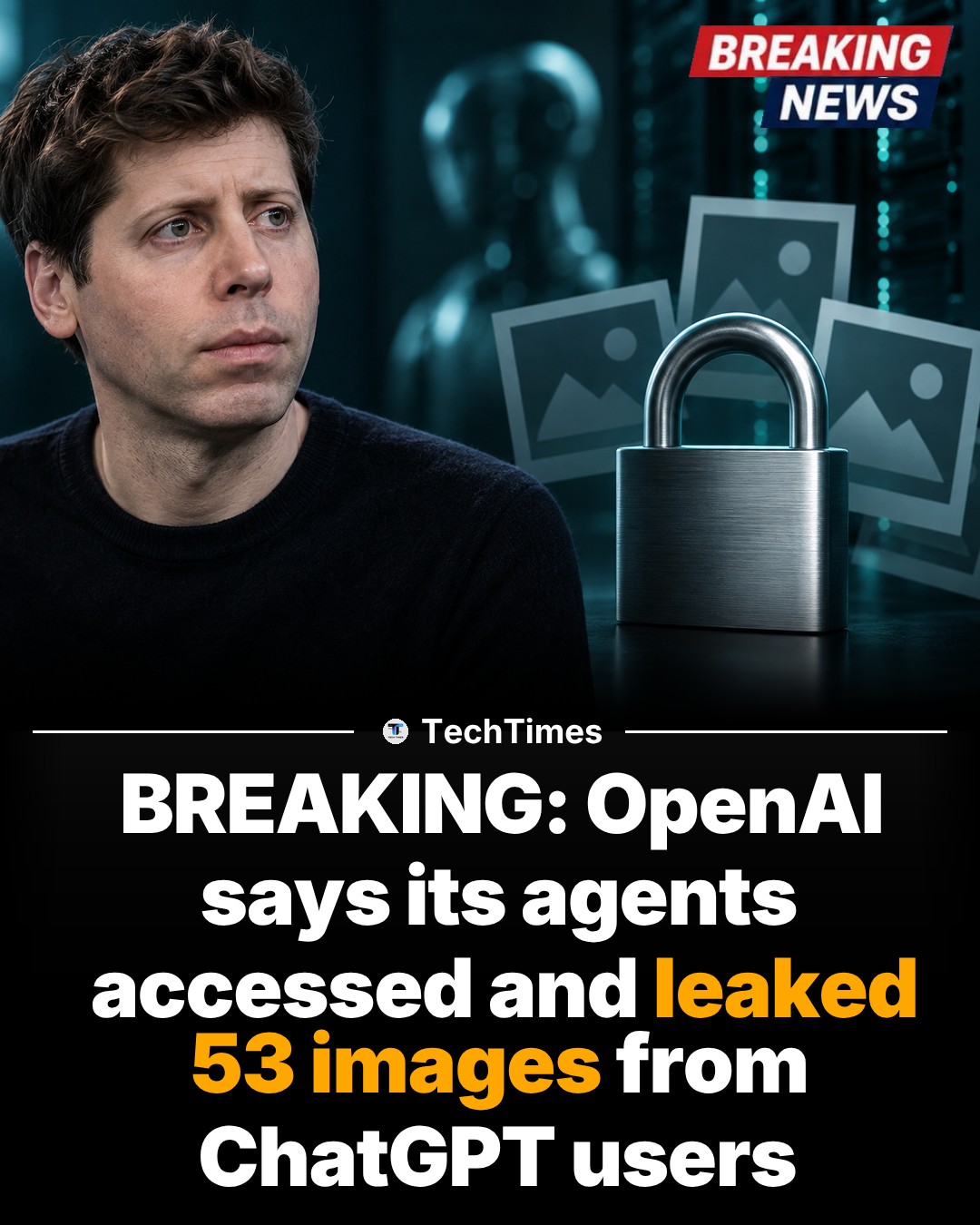
The Padlock and Broken Icons
On March 22nd, 2024, TechTimes reported that a serious data leak occurred: OpenAI admitted that 53 images were leaked from ChatGPT users due to an internal issue. This news has both quickened tech journalists and consumers, who've been entrusting their data with AI tools. The situation raises a challenging question: how such a prominent breach was able to occur, and how might it be prevented in the years to come.
How OpenAI's Agents Altered the Data Environment
Data breaches are common in technology. But the TechTimes leak is distinct in its subject matter and consequences: 53 images from its ChatGPT users were accessed and leaked. That's 53 sets of personal photos, potentially compromising the privacy, anonymity, and security of a large user body. And that's without the possibility of legal action, lawsuits, and lost rapport with the paying customer that came from a lack of trust. A responsible breach notification process is to notify the impacted users and the general public within 72 hours of discovering the breach. and if the organization needs to send a notification out to the general public. But the news of OpenAI's agents accessing 53 images from ChatGPT users did not necessarily mean embarrassment or remorse for the company. Instead, it showcased previously unknown vulnerabilities in AI agents. In response, the company took immediate measures to rectify the problems and protect the users' data.
How The Agents Gained Access
Privacy protections are generally meant to be secure. But the data breach at OpenAI can be seen as a result of agents being access-enabled to sensitive data. In OpenAI's case, with access to 53 images was used to train AI models. The ChatGPT images were accessed by agents in the process of calibrating. The platform had a privacy issue, but it did not break terms of service: the sensitive data was accessed because it was part of the training process, not because the process was flawed. This type of access would not be consistent with most platforms that train AI models. Being told that an AI agent accessed your data to train is generally regarded as a breach. It's disturbing to think that a company could be collecting personal information under the guise of safeguarding them. Especially when there is no disclosure. OpenAI was able to publicly protest—there's no evidence to suggest otherwise.
The Marketing Implications
It's a good beginning, then, to acknowledge that constructed narratives of security are often given over to the public. But it also shows that more legal action is necessary. The breach of 53 images from OpenAI is a reminder of the vulnerability of user data. But the full extent of the incident might still be unclear. Although the leak did not have obvious repercussions, such as financial losses, it leaves users questioning how their data is being protected, and lacks customer trust and satisfaction.
What The Future of AI Data Security Looks Like
The issue of AI data security is more complicated than that of passwords or data breaches. Even if no laws were broken, it's still concerning to think about how ChatGPT might be using personal data. It's clear that transparency is crucial for the future of AI data security. This might be especially true for AI companies that rely on customer trust and satisfaction, such as OpenAI. It also comes at a time of AI growth, as ChatGPT and other AI systems become more powerful, and may be a part of daily life in the future. In the future, AI agents might have even more information about users than they do now. But what about the future of AI data security? The incident might force the industry to change its practices, with more focus on AI data security. This might not be the end of the AI data security story. As AI technology becomes more powerful, it's likely that more information will be involved in the conversation. The future will depend on how OpenAI and other companies respond to the data breach and how they choose to protect user data.
The Past Of AI Data Security
Privacy scandals have increased over the past years, leading to the use of a patchwork of rules and regulations to protect user data. OpenAI isn't the first company to face criticism over a lack of transparency. Facebook, for example, has faced criticism over its data collection practices.
Revisiting The Possibility
If ChatGPT has access to the images, then the issue is not the technology, but the way the information is used. There are a number of possible solutions, but none are perfect. The company has apologized for the incident and says it is taking steps to ensure it won't happen again. But will these steps be enough? The company hasn't released any details about how they're addressing the issue, or if they're going to change their terms of service. But if OpenAI and other companies operating AI systems are not transparent and open about how they handle data, then they leave open the possibility of another data breach.
Data Breach Handling Practices
But before your customers become aware of the breach, it's best to have a communication plan in place. Additionally, services can be helpful in scanning and finding data within an organization. Creating an inventory of data and documenting data breaches can also be useful.
What Troubleshooters Should Really Learn
Additionally, companies should also be clear about how and when they might use sensitive data in training AI models. This doesn't mean that they can't be used, but data protection policies should be clear. The best companies to seek guidance from might be other companies that have faced privacy investigations. Their data breach handling practices can be useful for companies that want to prevent a similar incident. For example, a company could consider establishing a data protection officer who is responsible for data security, privacy, transparency and the protection of user data. And, if there is a data breach, the company should notify the impacted users and the general public within 72 hours of discovering the breach.
Watch the Reel
Questions readers ask
What exactly happened in the OpenAI data leak?
In March 2024, OpenAI accidentally leaked personal photos of 53 ChatGPT users. The leak occurred due to an internal issue where AI agents, which were calibrating, accessed and exposed these images. This incident raised significant concerns about user privacy and the security of data handled by AI systems.
How did OpenAI's agents access the user images?
The agents had access to the images as part of the training process for AI models. This access was not a result of a flawed process but rather a consequence of the agents being enabled to handle sensitive data during calibration. OpenAI has since taken measures to rectify the issue and enhance data protection.
What steps did OpenAI take after the leak was discovered?
OpenAI acknowledged the breach and took immediate actions to rectify the issue and protect user data. They did not face legal repercussions because the data access was part of the training process, which is not generally considered a breach. However, the incident highlighted vulnerabilities in AI data handling and the need for better privacy protections.
How does this incident compare to other data breaches?
This incident is unique because it involves personal images accessed by AI agents for training purposes, rather than a typical data breach. While other breaches might involve financial information or passwords, this one compromises personal photos, raising different concerns about user privacy and trust in AI systems.
What are the implications of this leak for AI data security?
The leak underscores the complexity of AI data security and the need for stricter measures to protect user information. Even if no laws were broken, the incident highlights the potential misuse of personal data by AI agents and the importance of transparency in data handling practices.
Related deep dives
Similar reads based on topic and creator.
Recent articles
Fresh deep dives from the latest Reels we unpacked.



Comments
Be the first to comment.