Animal Welfare Legislation
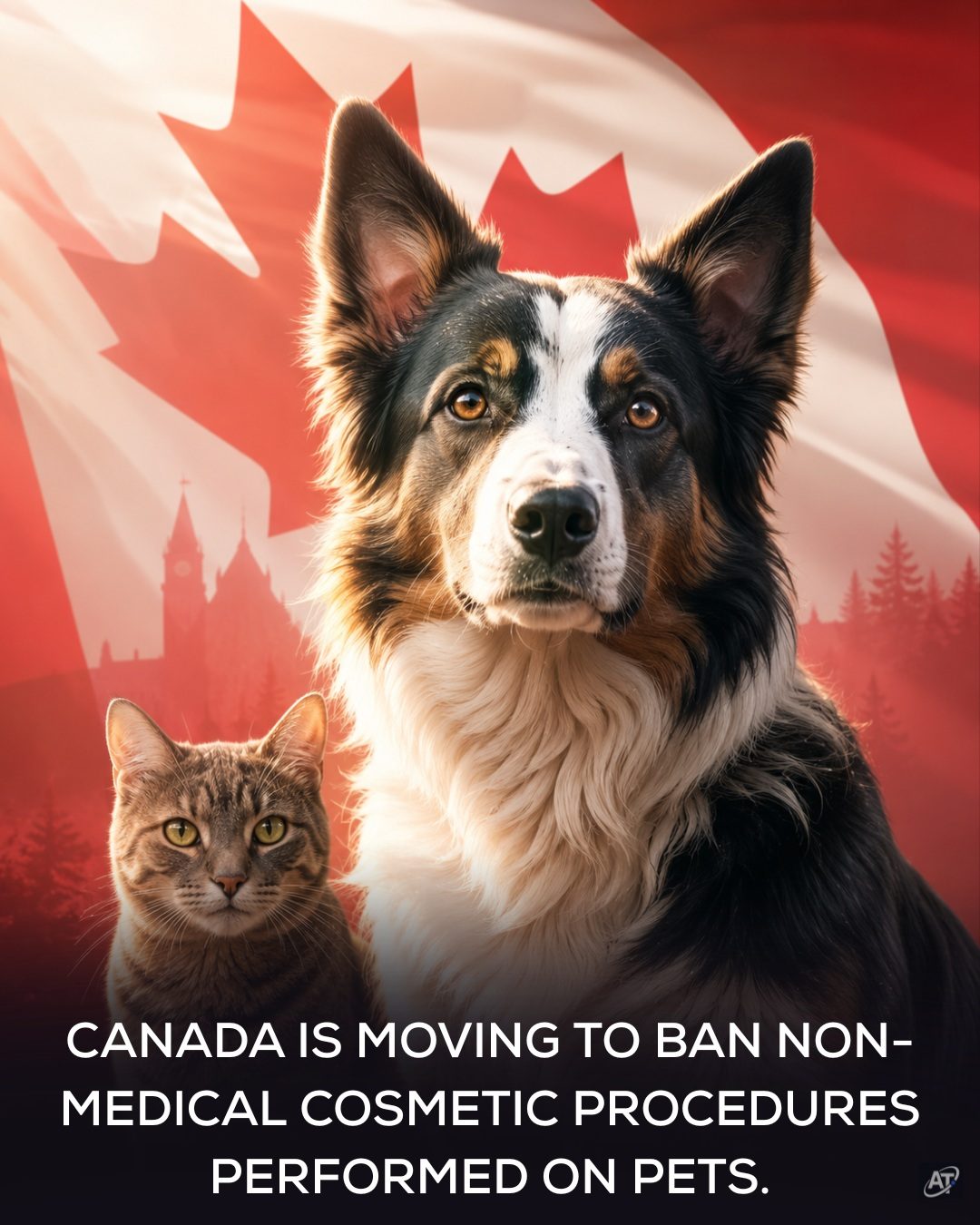
Ontario is moving to ban several cosmetic procedures on pets. Starting January 1, 2027, the province will prohibit non-medical cat declawing, dog ear cropping, and dog devocalization. The new legislation is a significant step in aligning Ontario with the rest of Canada, where similar procedures have already been restricted or banned.
Why This Matters
Animal welfare is a critical aspect of responsible pet ownership. These legislative changes aim to protect pets from unnecessary pain and discomfort. By banning non-medical cosmetic procedures, Ontario sends a clear message about the ethical treatment of animals. These procedures are not just about aesthetics or convenience; they involve significant medical interventions that can permanently affect an animal's health and well-being.
Main Discussion
Understanding the Procedures
Declawing
Declawing is a surgical procedure that involves removing the last bone of a cat’s toes. Unlike a simple nail trim, it is a major operation that can cause chronic pain and long-term issues with a cat’s gait and mobility. Many pet owners assume that declawing is a routine procedure, but it is actually a form of amputation.
Ear Cropping
Ear cropping involves surgically altering a dog’s ears to change their shape for cosmetic reasons. This procedure is often performed on puppies and can cause significant pain and discomfort. It is primarily done for aesthetic purposes, rather than for any medical necessity, and is considered inhumane in many circles.
Devocalization
Devocalization, often referred to as "debarking," involves altering a dog’s vocal cords to reduce barking. This procedure can permanently affect a dog’s ability to communicate and is often done to accommodate human preferences rather than for any medical reason.
The Legislative Shift
The new legislation in Ontario is a response to years of advocacy from veterinary and animal-welfare groups. These groups have long argued that animals should not be surgically altered just to make them easier to live with or to look a certain way. The distinction between medically necessary procedures and those done for convenience is crucial. Veterinarians will still be allowed to perform these procedures if they are medically necessary to treat an injury or disease, and that decision must be documented in the animal’s records.
The Impact on Pet Ownership
The ban on these procedures will have a significant impact on pet ownership practices in Ontario. Pet owners will need to adapt to new standards of care that prioritize the well-being of their pets over cosmetic preferences. This shift encourages a more compassionate and responsible approach to pet ownership, where the comfort and health of the animal are paramount.
Practical Tips
If you are a pet owner in Ontario, it is essential to familiarize yourself with the new legislation. Here are some practical tips to help you navigate these changes:
-
Consult with Your Veterinarian: If you have any concerns about your pet’s health or behavior, consult with a veterinarian. They can provide guidance on medically necessary procedures and alternative solutions.
-
Adopt Positive Training Methods: Instead of resorting to devocalization, consider positive training methods to manage barking. Training can help address the root cause of the behavior and provide a more humane solution.
-
Seek Professional Advice for Ear Issues: If your dog has ear issues, consult a professional for the best course of treatment. Avoid ear cropping as a cosmetic procedure and instead focus on maintaining your dog’s overall health.
-
Consider Alternative Solutions to Declawing: If you are concerned about scratching, consider using scratching posts or nail caps as alternatives to declawing. These methods are less invasive and promote a more natural behavior for cats.
Important Takeaways
The End of Cosmetic Alterations
The new legislation marks the end of cosmetic alterations on pets for the sake of human convenience. It is a significant step toward recognizing that pets are living beings with their own needs and rights, rather than accessories or decorations.
The Importance of Documentation
Documenting medical procedures is crucial. If a veterinarian determines that a procedure is medically necessary, it must be clearly documented in the animal’s records. This ensures transparency and accountability in pet care.
The Future of Pet Welfare
This legislation sets a precedent for future pet welfare standards. It encourages a shift towards more compassionate and responsible pet ownership, where the well-being of the animal is prioritized over human preferences.
Conclusion
The ban on non-medical cosmetic procedures on pets in Ontario is a milestone in animal welfare legislation. It reflects a growing awareness of the ethical treatment of animals and prioritizes their health and well-being over cosmetic preferences. As pet owners, it is essential to adapt to these changes and embrace a more compassionate approach to pet care. By doing so, we can ensure that our pets live happier, healthier lives.
Watch the Reel
Questions readers ask
Why is Ontario banning non-medical cosmetic surgeries for pets?
Ontario is banning these procedures to protect pets from unnecessary pain and discomfort. The ban is part of a broader effort to align with other Canadian provinces and promote ethical treatment of animals.
Which pet surgeries are being banned in Ontario?
The ban includes non-medical cat declawing, dog ear cropping, and dog devocalization. These procedures are typically performed for cosmetic or convenience purposes, rather than for medical necessity.
When will the ban on these pet surgeries take effect?
The ban on these cosmetic procedures is set to begin on January 1, 2027. This gives pet owners and veterinarians time to adjust to the new regulations.
What are the potential health impacts of these banned procedures?
These procedures can cause significant long-term health issues for pets, including chronic pain, infections, and behavioral problems. Banning them aims to prevent these adverse health outcomes.
How does this ban align with other Canadian provinces?
This ban brings Ontario in line with other Canadian provinces that have already restricted or banned similar procedures. It reflects a broader Canadian standard for animal welfare and ethical treatment of pets.
What should pet owners do if their pet has already undergone one of these procedures?
If a pet has already undergone one of these procedures, pet owners should consult with their veterinarian to discuss any necessary follow-up care or management strategies to ensure the pet's well-being.
Are there any exceptions to this ban for medical reasons?
The ban specifically targets non-medical procedures. If a pet requires one of these surgeries for a medical reason, such as to address a health issue, the procedure may still be permitted under veterinary guidance.
Recent articles
Fresh deep dives from the latest Reels we unpacked.




Comments
Be the first to comment.