Oil Drilling: The Art of Precision and Teamwork
Drilling rigs are a cornerstone of the oil and gas industry, enabling the extraction of vital resources from deep within the Earth's crust. The process of oil drilling involves a complex interplay of machinery, precision, and teamwork. Understanding the intricacies of this process provides valuable insights into the engineering marvels that make modern energy production possible.
The Significance of Drilling Rigs in the Oil Industry
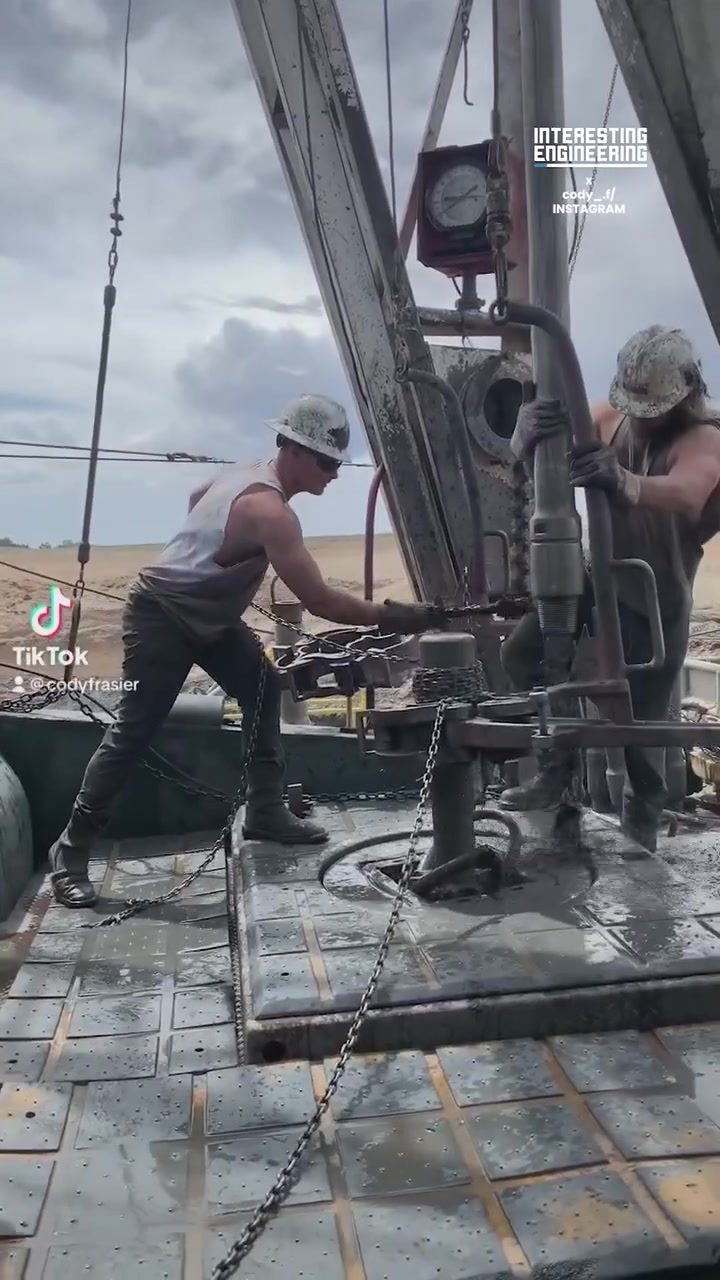
Drilling rigs are monumental structures designed to create wells that reach hydrocarbon deposits. These rigs are not only essential for extraction but also crucial for geological exploration. The ability to drill through various rock layers and reach specific depths is a testament to the advanced engineering and technology behind these machines. The process of threading drilling joints together, as seen in the video, is a critical part of this operation, ensuring the structural integrity and functionality of the drill string.
The manual operation of a drilling rig, as highlighted in the visual summary, underscores the physical demands and precision required. Workers often operate in challenging environments, with muddy terrain and harsh weather conditions. This manual labor is crucial for the successful execution of drilling operations, ensuring that the rig functions correctly and the drilling process proceeds smoothly.
Components of a Drilling Rig
A drilling rig comprises several key components, each with a specific function:
- Derrick: The tall, tower-like structure that supports the drilling equipment.
- Drill String: A series of connected piping that extends from the surface to the bottom of the well. It includes drill pipes and drill collars.
- Drill Bit: The cutting tool at the end of the drill string that grinds through the rock formations.
- Drilling Mud: A mixture of water, clay, and other additives that lubricates the drill bit, cools the drill string, and brings cuttings to the surface.
The Role of the Drilling Team
The teamwork involved in threading drilling joints together is a prime example of the collaborative effort required in oil drilling. Team members work in unison to ensure that the joints are securely connected, a process that involves applying friction to the joints using a chain and torquing them up with tongs. This level of coordination and precision is essential for the success of the drilling operation.
The role of teamwork is evident in the smooth and excellent execution of tasks, as mentioned in the caption. Each member of the drilling team has a specific role and responsibility, from operating the rig to handling the drill string. The collaboration ensures that the drilling process is efficient, safe, and effective, minimizing downtime and maximizing productivity.
The Drilling Process
The drilling process involves several stages, each requiring a high level of skill and precision. Here's an overview of the key steps:
Site Preparation
Before the drilling can begin, the site must be prepared. This involves clearing the area, setting up the rig, and ensuring that all necessary equipment and materials are on site. Site preparation is crucial for the safety and efficiency of the drilling operation.
Drilling Operations
The actual drilling operation involves several stages, including:
- Spud-In: The process of starting the drill at the surface and beginning the descent into the Earth.
- Drilled Casing: As the well deepens, casing is inserted to stabilize the wellbore and prevent cave-ins.
- Drilling Through Formations: Different rock formations require different techniques and tools to drill through effectively.
- Core Sampling: Samples of the rock formations are taken to analyze the geological makeup and identify hydrocarbon deposits.
Completion and Production
Once the well has reached the desired depth, it is completed and prepared for production. This involves installing the necessary equipment to extract the oil or gas and ensuring that the well is stable and secure.
Practical Tips for Successful Drilling Operations
Preparation and Planning
Thorough preparation and planning are essential for successful drilling operations. This includes:
- Geological Surveys: Conducting detailed geological surveys to identify the location and depth of hydrocarbon deposits.
- Risk Assessment: Assessing potential risks and developing contingency plans.
- Equipment Maintenance: Ensuring that all equipment is in good working order and well-maintained.
Team Coordination
Effective team coordination is crucial for the success of drilling operations. This involves:
- Clear Communication: Ensuring that all team members are aware of their roles and responsibilities.
- Training and Development: Providing ongoing training and development to enhance the skills and knowledge of the team.
- Collaboration: Working together to overcome challenges and achieve common goals.
Safety Measures
Safety is a top priority in drilling operations. This includes:
- Personal Protective Equipment (PPE): Ensuring that all workers are equipped with the necessary PPE.
- Safety Protocols: Implementing and enforcing safety protocols to minimize risks.
- Emergency Response: Having an emergency response plan in place to handle any unforeseen situations.
Important Takeaways
Drilling operations are a complex and challenging endeavor, requiring a high level of skill, precision, and teamwork. The success of these operations depends on thorough preparation, effective coordination, and robust safety measures. The manual operation of a drilling rig, as seen in the video, highlights the physical demands and precision required in this field. Understanding the intricacies of oil drilling provides valuable insights into the engineering marvels that make modern energy production possible.
Conclusion
Oil drilling is a critical process that underpins the energy sector. The precision and teamwork involved in threading drilling joints together, as showcased, are just one example of the complex and intricate nature of this industry. From site preparation to completion, each stage of the drilling process requires meticulous planning, skilled execution, and unwavering attention to safety. By gaining a deeper understanding of the drilling process, we can appreciate the engineering marvels and the dedication of the teams that make it possible.
Watch the Reel
Questions readers ask
What roles make up an oil drilling team?
An oil drilling team typically consists of various roles, including the Driller, who oversees the drilling operations, the Derrickhand, who handles the drill pipe and other equipment, and the Roustabouts, who perform general maintenance and support tasks. Other roles include the Leasehand, Motorman, and various engineering specialists, each playing a crucial part in the overall operation of the rig.
How important is communication in oil drilling teamwork?
Communication is vital in oil drilling teamwork. Clear and concise communication ensures that all team members are on the same page, especially when operating complex machinery or during emergencies, where even a slight misunderstanding can lead to costly mistakes or safety hazards. Regular updates and clear instructions help maintain efficiency and safety.
What safety measures are typically implemented to ensure rig worker safety?
Safety measures on oil rigs include regular training sessions, use of personal protective equipment (PPE), and adherence to strict safety protocols. Emergency response plans, routine inspections, and a strong emphasis on teamwork are also crucial. Rig workers undergo rigorous training to handle various scenarios, ensuring they can respond effectively to any situation.
How does the chain of command work on an oil drilling rig?
The chain of command on an oil drilling rig is typically hierarchical, starting with the Driller, who oversees the on-site operations, followed by the Tool Pusher, who supervises the Driller and other crew members. Above them, there are higher management levels, including the rig manager and company representatives, who ensure that operations align with the overall project goals and safety standards.
What kind of training do oil drilling crew members receive?
Oil drilling crew members receive extensive training in various areas, including the operation of complex machinery, safety protocols, and emergency response procedures. Training programs often include both classroom instruction and hands-on experience, ensuring that workers are well-prepared to handle the rigorous demands of the job and can collaborate effectively under pressure.
How does teamwork enhance drilling rig operations?
Teamwork enhances drilling rig operations by ensuring that all tasks are executed efficiently and safely. Effective collaboration allows for better problem-solving, quicker response times to issues, and a more cohesive workflow. When team members work together seamlessly, they can better manage the challenges posed by the complex machinery and harsh environments typical of oil drilling.
Related deep dives
Similar reads based on topic and creator.

Recent articles
Fresh deep dives from the latest Reels we unpacked.




Comments
Be the first to comment.