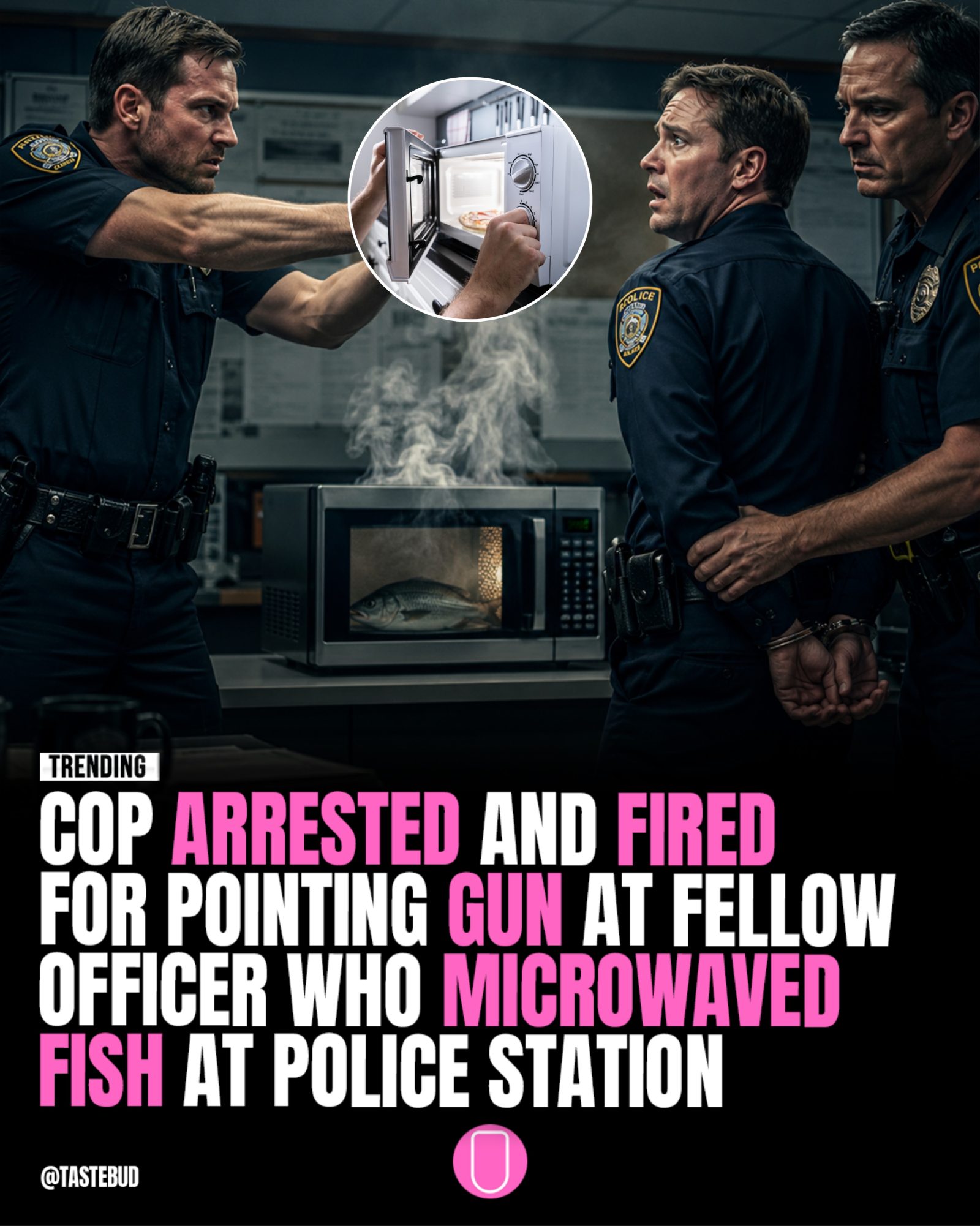
Police Officer Arrested and Fired for Workplace Incident
The recent arrest and termination of a police officer after allegedly pointing a gun at a fellow officer has garnered significant attention. The incident, which reportedly began over a minor disagreement about microwaving fish at the police station, escalated into a serious confrontation. Understanding the dynamics of this situation provides valuable insights into workplace conflicts, even in high-stress environments.
The Incident
The dispute that led to the officer's arrest and firing started over a seemingly minor issue: one officer microwaving fish in the workplace. This type of situation can often be dismissed as a trivial workplace disagreement, but in this case, it escalated to a much more severe level. The fact that the dispute involved a police officer pointing a gun at a fellow officer highlights the potential for even small conflicts to turn dangerous in high-stress environments.
The officer who pointed the gun was arrested and subsequently fired. The severity of the incident underscores the importance of conflict resolution and de-escalation techniques, especially in professional settings where stress and tension can run high.
Workplace Dynamics in High-Stress Environments
The Role of Stress and Tension
High-stress environments, such as police stations, can exacerbate even minor disagreements. The constant pressure and high stakes of law enforcement work can lead to heightened emotions and quicker reactions. This environment makes it crucial for officers to have effective coping mechanisms and conflict resolution skills to manage these situations before they escalate.
The Impact of Everyday Conflicts
What might seem like a trivial issue - such as microwaving fish in the workplace - can quickly become a flashpoint. In high-stress environments, even minor disagreements can be perceived as significant threats, leading to extreme reactions. The nature of the disagreement itself is less important than the underlying dynamics that turn simple conflicts into full-blown crises.
The Escalation Factor
The escalation of the situation from a minor dispute to a weapon being drawn is a critical point to consider. Understanding the factors that contribute to escalation can help in implementing preventive measures. Factors such as personal stress, lack of communication, and a heightened sense of threat can all contribute to a rapid escalation of conflicts.
Practical Tips for Managing Workplace Conflicts
Communication and De-escalation Techniques
Effective communication is key to managing conflicts in any workplace, but especially in high-stress environments. Training in de-escalation techniques can help individuals recognize and respond to escalating situations before they become dangerous. Techniques such as active listening, empathy, and clear, non-confrontational language can make a significant difference.
Stress Management
Stress management techniques are essential for individuals working in high-stress environments. Practices such as mindfulness, deep breathing, and regular breaks can help manage stress levels and reduce the likelihood of overreacting to minor issues. Organizations should prioritize mental health resources and training to support their employees.
Clear Policies and Procedures
Having clear policies and procedures in place for resolving conflicts can help prevent minor issues from escalating. Policies should outline steps for addressing workplace disagreements, including mediation and conflict resolution training. Clear guidelines can provide a framework for dealing with conflicts in a structured and non-confrontational manner.
Important Takeaways
In this case, the incident involving a police officer pointing a gun at a fellow officer over a seemingly minor disagreement highlights the potential for even small conflicts to escalate in high-stress environments. The importance of effective communication, de-escalation techniques, and stress management cannot be overstated. Organizations must prioritize these areas to ensure a safe and productive workplace.
The situation also underscores the need for clear policies and procedures for handling workplace conflicts. By addressing underlying issues and providing support for employees, organizations can mitigate the risk of minor disagreements turning into serious incidents.
Conclusion
The recent incident involving a police officer being arrested and fired for pointing a gun at a fellow officer serves as a stark reminder of the challenges in managing workplace conflicts in high-stress environments. By prioritizing effective communication, stress management, and clear policies, organizations can better handle these situations and prevent them from escalating. It is crucial to address the root causes of conflicts and provide support to employees to ensure a safe and productive workplace.
Watch the Reel
Questions readers ask
Why was the police officer fired for the microwaved fish incident?
The officer was fired for engaging in a serious workplace escalation by pointing a gun at a colleague. The incident began as a minor disagreement about microwaving fish in the workplace, but it escalated into a dangerous conflict. The officer's actions were considered a severe violation of workplace conduct and safety protocols, leading to their arrest and termination.
What can other law enforcement agencies learn from this incident?
Law enforcement agencies can learn the importance of conflict resolution and maintaining a calm demeanor in high-stress environments. This incident underscores the need for officers to recognize how minor disputes can escalate quickly and to promote a culture of respect and restraint in the workplace. Regular training in de-escalation techniques and stress management can be beneficial.
What is the significance of the police station setting in this incident?
The police station setting is significant because it is a high-stress environment where officers are expected to maintain professionalism and composure. The presence of firearms and the nature of the work can exacerbate conflicts, making it crucial for officers to handle disagreements appropriately. This incident highlights the unique challenges of maintaining a safe and productive workplace in such an environment.
What steps can be taken to prevent similar incidents in the workplace?
To prevent similar incidents, workplaces should encourage open communication, promote a respectful environment, and provide regular training on conflict resolution. Establishing clear policies on handling disputes and ensuring that all employees know the appropriate channels for addressing issues can also help. Regular stress management workshops can help employees manage their reactions to disagreements.
How should workplace conflicts be handled in high-stress environments like law enforcement?
In high-stress environments, it is essential to address workplace conflicts promptly and professionally. Encouraging dialogue, active listening, and understanding can help de-escalate tensions. By implementing structured conflict resolution processes and ensuring that all parties are aware of these procedures, workplaces can mitigate the risk of escalations. Regular support and resources for employees can also help manage stress and prevent conflicts from becoming severe.
What is the role of bystanders in a workplace conflict involving a gun threat?
Bystanders should immediately report any threats or conflicts involving weapons to the appropriate authorities. It is crucial to prioritize everyone's safety and ensure that the situation is de-escalated as quickly as possible. Providing a clear account of the events can also assist in the investigation and disciplinary process. Training all employees, including bystanders, on how to respond to such incidents is also important.
What are the potential consequences for an officer involved in a workplace gun threat?
An officer involved in a workplace gun threat may face severe consequences, including immediate termination, arrest, and potential criminal charges. Additionally, the officer could face disciplinary actions from the police department, loss of their law enforcement certification, and damage to their professional reputation. The consequences can be life-altering and impact the officer's career and personal life.
Related deep dives
Similar reads based on topic and creator.


Recent articles
Fresh deep dives from the latest Reels we unpacked.




Comments
Be the first to comment.