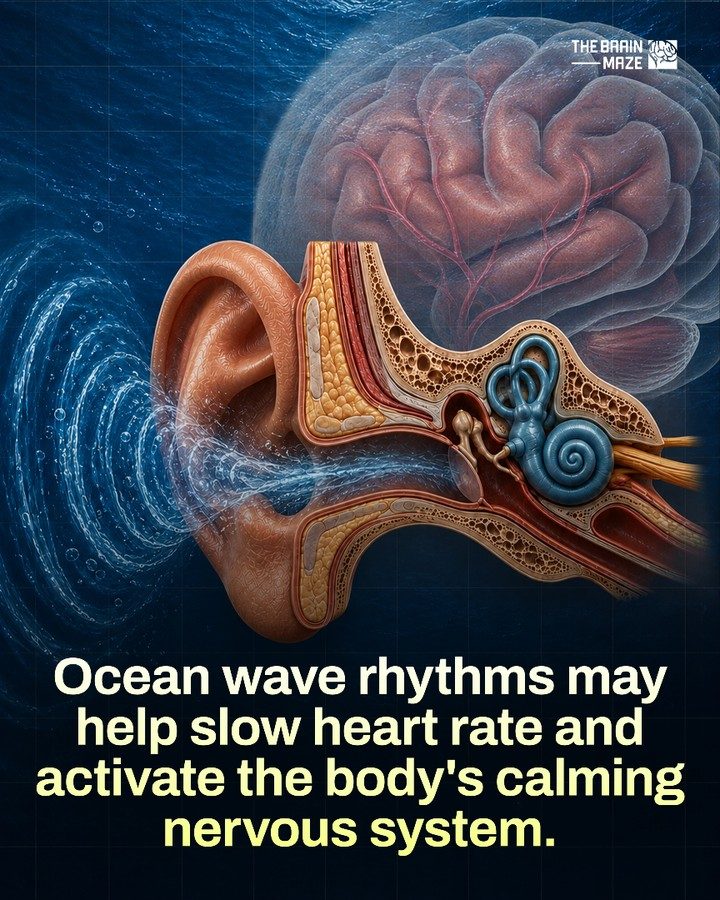
The Calming Effect of Ocean Wave Rhythms on the Nervous System
The rhythmic sounds of ocean waves not only create a serene atmosphere but also have a tangible impact on the body's nervous system. This natural rhythm can help slow the heart rate, reduce stress, and activate the parasympathetic nervous system, which is responsible for the body's "rest and digest" response. By fostering relaxation and a sense of security, the calming sounds of the sea can significantly enhance mental well-being and promote overall relaxation.
How Ocean Wave Rhythms Affect the Body
The Parasympathetic Nervous System
The parasympathetic nervous system is a key component of the autonomic nervous system, which regulates involuntary bodily functions such as heart rate, digestion, and relaxation. When the parasympathetic nervous system is activated, it helps the body to unwind, promoting a state of calm and reducing stress levels. Ocean wave rhythms can trigger this response, leading to a slower heart rate and a more relaxed state.
Heart Rate and Stress Reduction
Research indicates that repetitive natural sounds, such as the steady rhythm of ocean waves, can help slow the heart rate. This decrease in heart rate is a physiological marker of reduced stress and increased relaxation. By listening to these natural sounds, individuals may experience a significant reduction in stress levels, making it easier to manage daily pressures and anxieties.
The Role of THE BRAIN MAZE in Understanding This Phenomenon
THE BRAIN MAZE provides valuable insights into how natural sounds can influence the nervous system. By combining detailed anatomical imagery of the brain and ear with scientific explanations, THE BRAIN MAZE helps elucidate the mechanisms behind the calming effects of ocean wave rhythms. This visual and educational approach makes complex neurobiological processes more accessible and understandable, highlighting the practical benefits of incorporating natural sounds into daily life.
Visualizing the Impact
The detailed rendering of the brain and ear, along with the accompanying text, provides a clear visual representation of how ocean wave rhythms can affect the nervous system. This visual aid makes it easier to grasp the connection between natural sounds and the body's calming mechanisms, fostering a deeper understanding of the science behind the benefits.
Practical Tips for Incorporating Ocean Wave Rhythms
Creating a Calming Environment
To harness the benefits of ocean wave rhythms, consider creating a calming environment at home or in your workspace. This can be achieved by playing recordings of ocean waves or using sound machines that mimic natural sounds. The goal is to immerate yourself in a peaceful atmosphere that promotes relaxation and reduces stress.
Incorporating Natural Sounds into Daily Routines
Incorporating natural sounds into your daily routines can have a profound impact on your mental well-being. For example, you can listen to ocean wave sounds during meditation, while reading, or before bed. This practice can help you unwind and prepare for a restful night's sleep, reducing the likelihood of waking up feeling stressed or anxious.
Using Sound Machines and Apps
Sound machines and apps that offer a variety of natural sounds, including ocean waves, can be incredibly useful. These devices and applications often come with customizable settings, allowing you to choose the specific sounds and rhythms that work best for you. By using these tools, you can create a personalized environment that fosters relaxation and mental well-being.
The Benefits of Nature-Based Therapies
Nature-based therapies, such as sound therapy, are gaining recognition for their effectiveness in promoting mental health. By leveraging the calming effects of natural sounds, individuals can experience a range of benefits, from reduced stress and anxiety to improved sleep quality and overall well-being. Engaging in these therapies can be a valuable addition to a comprehensive approach to mental health and self-care.
Important Takeaways
-
Natural Sounds and Mental Well-being: The steady rhythm of ocean waves can help slow heart rate, reduce stress, and activate the parasympathetic nervous system, promoting relaxation and mental well-being.
-
THE BRAIN MAZE: THE BRAIN MAZE provides valuable insights into how natural sounds influence the nervous system, making complex neurobiological processes more accessible and understandable.
-
Practical Applications: Incorporating ocean wave rhythms into daily routines, using sound machines, and engaging in nature-based therapies can significantly enhance mental well-being and promote overall relaxation.
Conclusion
The rhythmic sounds of ocean waves offer more than just a peaceful atmosphere; they provide tangible benefits to the body's nervous system. By activating the parasympathetic nervous system, ocean wave rhythms can help slow the heart rate, reduce stress, and promote a sense of relaxation and calm. Understanding and utilizing these natural sounds can be a powerful tool for enhancing mental well-being and creating a more peaceful and balanced life.
Watch the Reel
Questions readers ask
How do ocean wave rhythms help reduce stress?
Ocean wave rhythms help reduce stress by activating the parasympathetic nervous system, which is responsible for the body's 'rest and digest' response. This activation slows down the heart rate and promotes relaxation, creating a sense of calm and security.
What is the parasympathetic nervous system and how does it relate to ocean wave sounds?
The parasympathetic nervous system regulates involuntary bodily functions like heart rate and digestion. Ocean wave sounds activate this system, helping to induce a state of relaxation and reduce stress by mimicking the natural rhythms of the body.
Can listening to wave sounds truly lower heart rate?
Yes, listening to wave sounds can lower your heart rate. The rhythmic and repetitive sounds of waves have been shown to slow heart rate by triggering the body's natural relaxation response, helping to counteract the effects of stress and anxiety.
What are some practical ways to incorporate ocean wave therapy into daily life?
You can incorporate ocean wave therapy into daily life by listening to recordings of wave sounds during meditation or relaxation exercises. Many apps and online platforms offer high-quality recordings designed for this purpose, allowing you to experience the benefits even if you can't be near the ocean.
How do ocean wave rhythms affect brain wave synchronization?
Ocean wave rhythms can help synchronize brain waves by promoting a state of calm and focus. The steady, predictable sounds of waves can guide the brain into a more relaxed and coherent state, which is beneficial for reducing mental stress and enhancing overall well-being.
Are there any specific relaxation techniques that pair well with ocean wave sounds?
Ocean wave sounds pair well with various relaxation techniques, including deep breathing, progressive muscle relaxation, and guided meditation. These techniques, when combined with the soothing sounds of ocean waves, can enhance relaxation and promote a deeper sense of calm and tranquility.
What are the benefits of wave sounds for meditation?
Wave sounds can significantly enhance meditation by providing a consistent, calming auditory backdrop that helps focus the mind. The rhythmic nature of wave sounds can help synchronize brain waves, deepen the meditative state, and promote a greater sense of inner peace and relaxation.
Related deep dives
Similar reads based on topic and creator.



Recent articles
Fresh deep dives from the latest Reels we unpacked.




Comments
Be the first to comment.