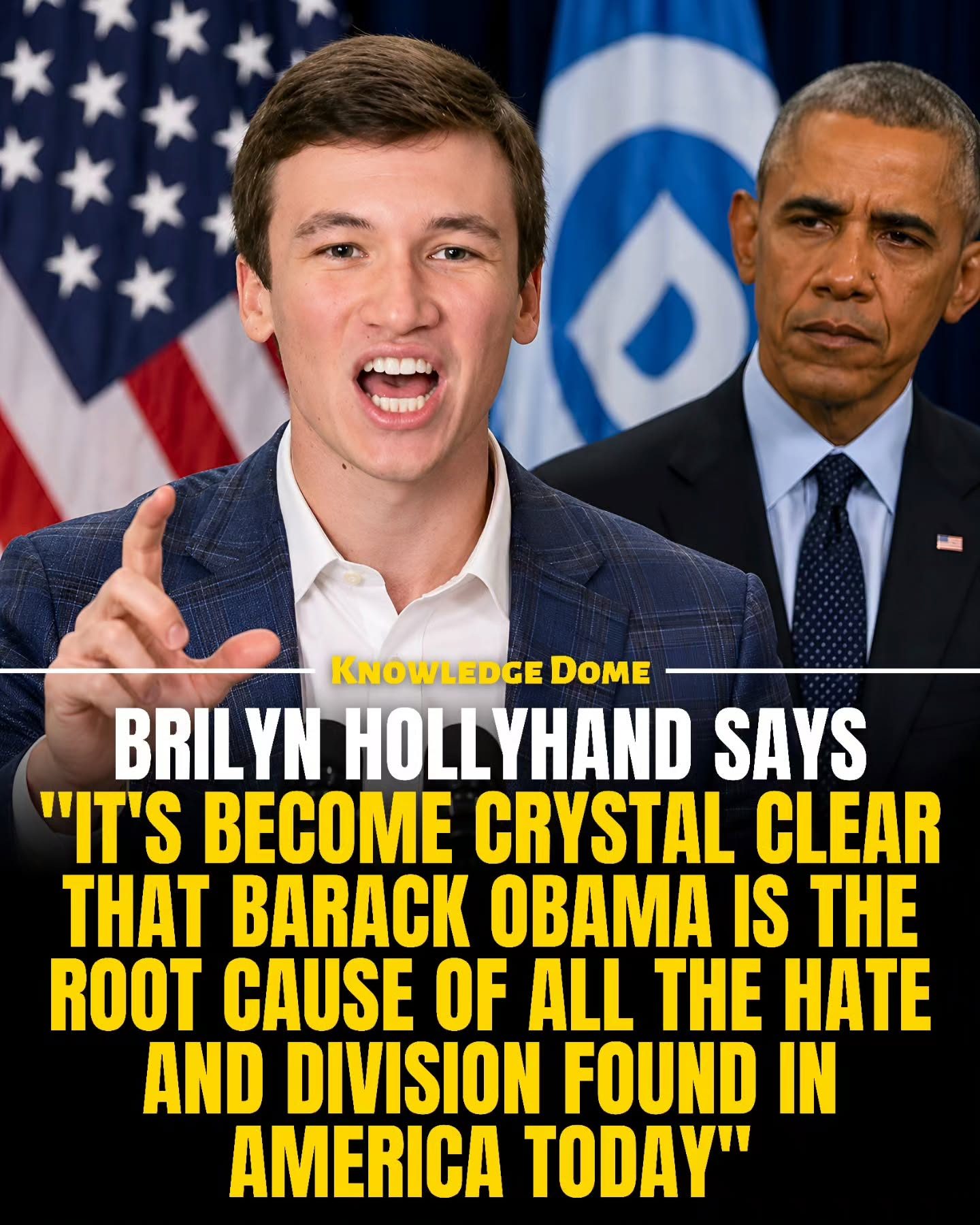
The Debate Around Barack Obama and America's Political Division
The statement by Brilyn Hollyhand attributing the current political division in America to Barack Obama has sparked a heated debate. The claim has resonated with some who believe that the division worsened during Obama's presidency, while others argue that the issue is more complex and deeply rooted in various aspects of society.
Context: Why This Matters
Understanding the roots of America's political division is crucial for addressing the underlying issues. The debate highlights the stark differences in perspectives and the polarization that exists within the country. This discussion is not just about one political figure but about the broader impact of leadership, media, and societal factors on the nation's unity.
The Arguments: Two Sides of the Divide
Those Who Agree
Some people strongly support the view that Barack Obama's presidency significantly contributed to the division in America. They point to several key factors:
- Political Policies: Many believe that Obama's policies on issues like healthcare, immigration, and social justice exacerbated existing tensions. For instance, the implementation of the Affordable Care Act (Obamacare) and his stance on immigration reform were hotly contested and deeply divisive.
- Racial Tensions: Critics argue that Obama’s administration failed to address racial tensions adequately. Some believe that his policies and rhetoric on race relations actually aggravated the divide, particularly in the wake of high-profile incidents of police brutality and racial injustice.
- Cultural Shifts: The cultural shifts that occurred during Obama's tenure, such as the LGBTQ+ rights movement and the push for gender equality, were met with resistance from conservative sectors, further polarizing the nation.
Those Who Disagree
On the other hand, many people argue that the blame for the current division in America cannot be solely attributed to one president. They point to a range of factors that have contributed to the growing polarization:
- Social Media: The rise of social media platforms has allowed for the rapid spread of misinformation and echo chambers, where people only consume information that aligns with their beliefs. This has led to a more divided society, as people are less exposed to diverse viewpoints.
- News Outlets: The polarization of media outlets, with many leaning heavily towards one political side, has contributed to a lack of common ground. Consumers often rely on sources that confirm their biases, making it difficult to find a middle ground.
- Political Fights: The increasing intensity of political fights and partisanship in Congress and other political bodies has made compromise more difficult. This has led to a gridlock where bipartisan efforts have become rare, further dividing the country.
- Years of Growing Anger: The anger and frustration on both sides of the political spectrum have been building for years, fueled by economic disparities, cultural shifts, and long-standing grievances. The polarization is seen as a symptom of deeper societal issues that predate any single administration.
Practical Tips for Navigating the Divide
While the debate around Barack Obama and America's political division may continue, here are some practical tips for navigating the current climate:
Seek Out Diverse Views
Engage with people who hold different viewpoints. This can help broaden your perspective and foster a more empathetic understanding of others' positions. Attend debates, read articles from diverse sources, and engage in respectful conversations with those who have different beliefs.
Stay Informed
Stay up-to-date with the latest news and developments. Use reliable sources and fact-check information before sharing it. Being well-informed can help you participate in discussions more thoughtfully and contribute to a more informed public discourse.
Practice Active Listening
When discussing politics, practice active listening. This means truly hearing what the other person is saying, rather than just waiting for your turn to speak. Show empathy and try to understand their perspective, even if you disagree.
Important Takeaways
The debate around Barack Obama and America's political division underscores the complexity of the issue. It highlights that the division in America is not a simple matter of one person or one administration. Instead, it is a result of a multitude of factors, including the rise of social media, the polarization of news outlets, and long-standing political and cultural tensions.
The Role of Leadership
Leadership plays a crucial role in shaping public sentiment and addressing division. While Barack Obama's presidency may have contributed to the current state of affairs, it is essential to recognize that the responsibility for healing the divide lies with all leaders, past and present.
The Role of Citizens
As citizens, it is our responsibility to engage in constructive dialogue and seek out common ground. By staying informed, practicing active listening, and seeking diverse views, we can contribute to a more unified nation.
Conclusion
The debate around Barack Obama and America's political division is a reminder of the complexity of the issue. It is not just about one person or one administration, but about the broader impact of leadership, media, and societal factors on the nation's unity. By understanding the various perspectives and contributing to a more informed public discourse, we can work towards healing the divide and fostering a more united America.
Watch the Reel
Questions readers ask
How did Obama's policies contribute to the current political divide in America?
Obama's policies, such as the Affordable Care Act and efforts towards immigration reform, were significant and polarizing. His executive actions on immigration, for example, were praised by some and criticized by others. These policies sparked intense debate and further divided the country along political lines.
What role did racial tensions play during Obama's presidency?
Racial tensions were a significant factor during Obama's presidency. The rise in visibility of incidents involving police and African Americans, such as the Black Lives Matter movement, highlighted deep-seated racial issues. Obama's own presence in the White House also brought race relations into sharper focus, sparking both progress and backlash.
How did cultural shifts during the Obama era impact the political divide?
The Obama years saw significant cultural shifts, including changes in attitudes towards LGBTQ+ rights, climate change, and economic inequality. These changes were met with both support and resistance, further fueling the political divide. For example, the legalization of same-sex marriage was a major cultural change that drew both praise and controversy.
What was the impact of media on the political division during Obama's presidency?
The media played a crucial role in shaping public perception and amplifying divisions. The rise of social media and partisan news outlets contributed to a more polarized information landscape. This allowed people to consume news that reinforced their existing beliefs, leading to further division and mistrust.
How did Obama's leadership style influence the political climate?
Obama's leadership style, characterized by a focus on diplomacy and consensus-building, was seen as effective by some and as too accommodating by others. Critics argued that his approach, particularly on issues like healthcare and foreign policy, did not address the underlying issues and instead exacerbated divisions.
Recent articles
Fresh deep dives from the latest Reels we unpacked.




Comments
Be the first to comment.