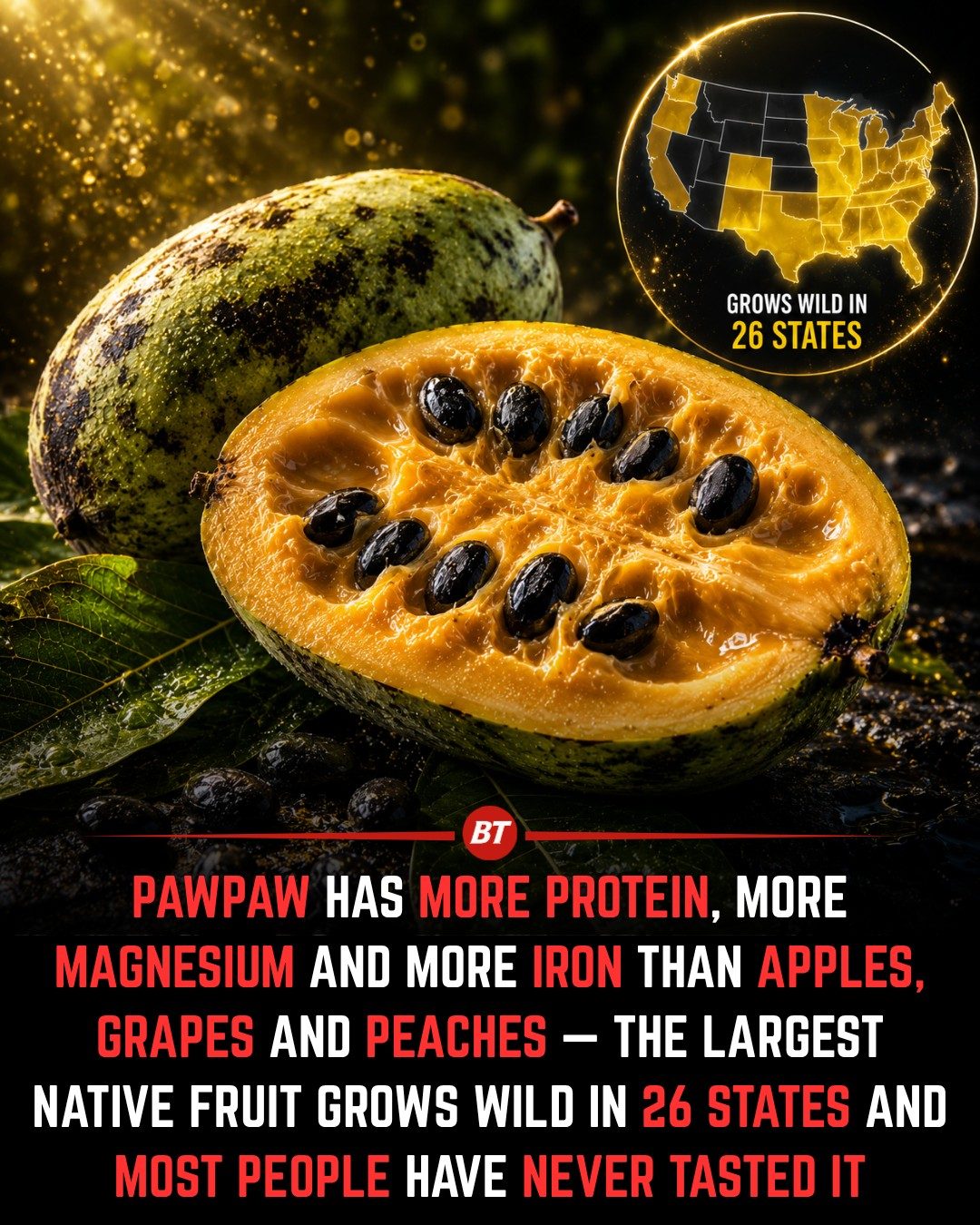
Pawpaw Fruit: The Largest Native Fruit of North America
Pawpaw is a native North American fruit that is incredibly rich in nutrients. This fruit stands out due to its impressive size, tropical flavor, and high nutritional content. Despite its benefits, pawpaw remains relatively unknown to many, making it one of the continent's best-kept culinary and nutritional secrets.
Context: America's Largest Native Fruit
Pawpaw is not only a unique fruit but also the largest native fruit in North America. Native to forests and river valleys across 26 eastern and central U.S. states, the pawpaw has a long history and a tropical flavor. Despite its rich heritage, it is rarely found in supermarkets. This is because the fruit ripens quickly and doesn't transport well. The fruit’s quick ripening and delicate nature make it challenging to commercialize, ensuring that it remains mainly a wild, seasonal treat.
Understanding the Pawpaw
Nutritional Highlights
The fruit stands out from many familiar fruits, providing more protein, magnesium, and iron than apples, grapes, and peaches. It also contains generous amounts of vitamin C, potassium, fiber, and antioxidant-rich carotenoids. The unique combination of nutrients makes pawpaw a standout option for those seeking a rich, natural source of essential vitamins and minerals.
Plant Compounds and Research
Pawpaw contains unique plant compounds known as annonaceous acetogenins. These compounds have been studied in laboratory settings for their biological activity. While the research is still ongoing to understand their potential effects in humans, these compounds are scientifically interesting and may hold future benefits.
Texture and Flavor
What makes the pawpaw especially unique is its creamy texture and flavor. Often described as a blend of banana, mango, pineapple, and vanilla custard, it's one of the few temperate fruits that tastes almost tropical. This distinctive flavor profile adds to the fruit's allure, making it a delightful addition to various dishes.
Historical and Cultural Significance
For centuries, Indigenous peoples and early American settlers enjoyed pawpaws as a seasonal food. It was a beloved treat, cherished for its taste and nutritional benefits. Unfortunately, its popularity has waned, and it remains one of the country's best-kept nutritional secrets.
Practical Tips: Enjoying Pawpaw
Finding and Selecting Pawpaw
If you're lucky enough to find fresh pawpaws during their short harvest season, you can enjoy them in various ways. Look for fruits that are slightly soft to the touch but not overly ripe, as pawpaws can quickly become overripe and mushy. Typically ripening in late summer to early fall, pawpaws are best found in wild forests and river valleys, especially in the eastern and central regions of the United States.
Culinary Uses
Once you have pawpaws, there are countless ways to incorporate them into your diet. Here are a few ideas:
- Fresh Consumption: Enjoy the fruit fresh by slicing it open and scooping out the creamy flesh with a spoon.
- Smoothies: Blend pawpaw flesh into smoothies for a tropical twist on your usual drink.
- Yogurt and Oatmeal: Mix the creamy pawpaw flesh into yogurt or oatmeal for added flavor and nutrition.
- Baked Goods: Incorporate pawpaw into baked goods like bread, muffins, or cakes for a unique flavor profile.
- Homemade Frozen Desserts: Use the pawpaw flesh to make homemade frozen desserts, such as sorbet or ice cream.
Storing Pawpaw
Due to their delicate nature, pawpaws don’t keep well for long. They should be consumed as soon as possible after picking or buying. If you need to store them for a short period, place the pawpaws in a paper bag and keep them at room temperature. Avoid refrigeration as it can shorten their shelf life.
Important Takeaways
Pawpaw is a nutrient-dense fruit that offers a range of health benefits. Its high protein, magnesium, and iron content, along with its vitamin C, potassium, fiber, and carotenoids, make it a valuable addition to any diet. The fruit's unique tropical flavor and creamy texture also make it a delightful culinary ingredient.
Conclusion
Pawpaw is not just a tasty fruit; it is a nutritional powerhouse and a historical treasure. Whether you enjoy it fresh, blend it into smoothies, or use it in baked goods, pawpaw offers a rich and satisfying culinary experience. With its impressive nutritional profile and unique flavor, it's a fruit worth seeking out and incorporating into your diet.
Watch the Reel
Questions readers ask
What makes the pawpaw fruit unique among native North American fruits?
The pawpaw is unique due to its large size, tropical flavor, and high nutritional content. It is the largest native fruit in North America and is rich in protein, iron, and magnesium, setting it apart from other native fruits.
Why is the pawpaw fruit not commonly found in supermarkets?
Pawpaw fruit is not commonly found in supermarkets due to its quick ripening process and poor transportability. These factors make it challenging to distribute widely, which is why the pawpaw remains underrated and largely unknown.
What does pawpaw taste like and why is it sometimes called the "poor man's banana"?
Pawpaw has a tropical flavor that is reminiscent of banana, mango, and pineapple. It is sometimes called the "poor man's banana" because of its creamy, banana-like texture and sweet, tropical taste, which is often enjoyed by those who appreciate exotic fruits.
How does the pawpaw fruit compare to other common fruits like apples, grapes, and peaches in terms of size and nutritional content?
The pawpaw fruit is significantly larger than apples, grapes, and peaches. In terms of nutritional content, pawpaw is richer in protein, iron, and magnesium compared to these common fruits, making it a more robust source of these essential nutrients.
Where does the pawpaw fruit grow and what is its natural habitat?
Pawpaw fruit grows in the eastern and central regions of the United States, specifically in 26 states. It thrives in forests and river valleys, where it can be found growing wild in its natural habitat. This fruit is native to these regions and has a rich history in North America.
What are some of the key nutritional benefits of consuming pawpaw fruit?
Pawpaw fruit is a powerhouse of nutrients, particularly high in protein, iron, and magnesium. These nutrients are essential for various bodily functions, including muscle development, oxygen transport, and nerve function. Additionally, pawpaw is rich in vitamins, making it a valuable addition to a balanced diet.
How can pawpaw fruit be incorporated into a daily diet?
Pawpaw fruit can be enjoyed in various ways. It can be eaten fresh, used in smoothies, or incorporated into desserts like ice cream and pies. Its unique flavor profile and creamy texture make it a versatile ingredient in both sweet and savory dishes, allowing for a diverse range of culinary applications.
Related deep dives
Similar reads based on topic and creator.




Recent articles
Fresh deep dives from the latest Reels we unpacked.




Comments
Be the first to comment.