The Surprising Benefits of Broccoli Stalks
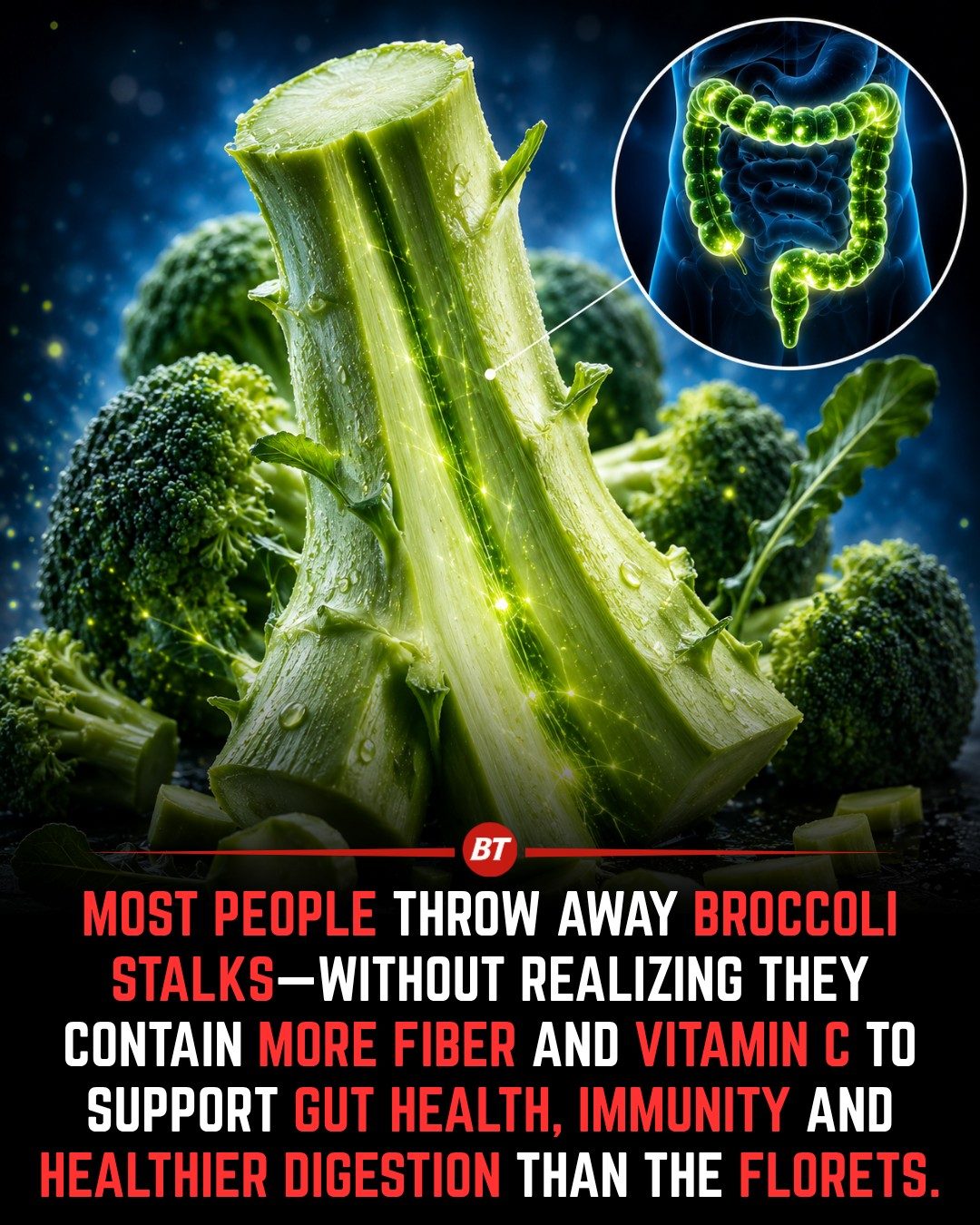
Most people toss out broccoli stalks without realizing they are missing out on a powerhouse of nutrients. Contrary to popular belief, these stalks are not just for compost. They are packed with compounds that support gut health, immunity, and long-term health. This article dives into the nutritional benefits of broccoli stalks, explaining why you should consider incorporating them into your diet.
Why It Matters
Gut health is a cornerstone of overall well-being. The fiber in broccoli stalks nourishes beneficial gut bacteria, which in turn produce short-chain fatty acids crucial for a healthy gut. Broccoli stalks also support immunity, thanks to their high vitamin C content and unique compounds. Including these stalks in your diet can provide a broader spectrum of nutrients, reduce food waste, and enhance your overall health.
The Nutritional Power of Broccoli Stalks
Fiber and Digestive Health
Broccoli stalks contain more dietary fiber than the florets. Fiber is essential for gut health. It feeds beneficial gut bacteria, which convert it into short-chain fatty acids like butyrate. Butyrate is the primary fuel for the cells lining your colon. It helps strengthen the intestinal barrier, reduce inflammation, and supports a healthier gut microbiome. This process is crucial for maintaining digestive health and overall well-being.
Vitamin C and Immunity
Vitamin C is a well-known immune booster. Broccoli stalks are rich in this vitamin, making them an excellent addition to your diet, especially during cold and flu season. The vitamin C in broccoli stalks supports the immune system and helps the body produce collagen, which is essential for skin health and wound healing. Vitamin C is not stored in the body, so consuming it regularly is important for maintaining your health.
Glucosinolates and Sulforaphane
Broccoli stalks are loaded with glucosinolates, natural sulfur-containing compounds unique to cruciferous vegetables. These compounds are converted into sulforaphane when you chop or chew broccoli. Sulforaphane is one of the most extensively studied plant compounds in nutrition science. Researchers have investigated its remarkable ability to activate Nrf2, often called the body's "master antioxidant switch." When activated, Nrf2 stimulates the production of dozens of protective enzymes. These enzymes help neutralize free radicals, reduce oxidative stress, and support the liver's natural detoxification processes. This is one reason broccoli has been widely studied for its potential role in protecting against chronic diseases.
Potassium and Overall Health
Potassium is another essential nutrient found in broccoli stalks. It plays a crucial role in maintaining heart health, regulating blood pressure, and supporting muscle and nerve function. Incorporating broccoli stalks into your diet can help you meet your daily potassium needs, contributing to overall health and well-being.
Practical Tips for Incorporating Broccoli Stalks
Including broccoli stalks in your diet is easier than you might think. Here are some practical tips for using them in your meals:
Preparing Broccoli Stalks
Before using broccoli stalks, peel away the tough outer layer with a vegetable peeler. This will leave you with the tender inner stalk, which can be sliced into thin coins or matchsticks. You can roast, stir-fry, or even blend them into soups. The tender stalks can also be grated raw into salads and slaws, adding a crunchy texture and extra nutrients.
Roasting Broccoli Stalks
Roasting is an excellent way to bring out the natural flavors of broccoli stalks. Toss the peeled and sliced stalks in olive oil, salt, and pepper, and roast in the oven at 400°F (200°C) for about 20-25 minutes or until tender and lightly browned. Roasted broccoli stalks make a delicious side dish or a healthy snack.
Stir-Frying
Stir-frying is another quick and easy method for cooking broccoli stalks. Heat a small amount of oil in a pan, add the sliced stalks, and stir-fry with your favorite seasonings. You can add them to stir-fries with other vegetables, proteins, or even use them as a base for a stir-fried rice or noodle dish.
Blending into Soups
Broccoli stalks blend beautifully into soups, adding thickness and extra nutrients. Simply peel and chop the stalks, then add them to your soup pot. Simmer until tender, then blend until smooth. This method is perfect for creamy soups like broccoli, cauliflower, or potato soup.
Grating Raw
If you prefer a crunchy texture, grate raw broccoli stalks into salads and slaws. The stalks add a satisfying crunch and a burst of nutrients. They are a great addition to coleslaws, green salads, or even as a topping for sandwiches and wraps.
Important Takeaways
Incorporating broccoli stalks into your diet has numerous benefits. The fiber and vitamin C content support gut health and immunity. Regular consumption of broccoli stalks may also help reduce the risk of chronic diseases. Furthermore, using the entire broccoli plant helps reduce food waste and provides a broader spectrum of nutrients, making your meals more nutritious and sustainable.
Conclusion
Broccoli stalks are a versatile and nutritious part of the vegetable often overlooked. By incorporating them into your diet, you can enhance your overall health and reduce food waste. Whether roasted, stir-fried, blended into soups, or grated raw, adding broccoli stalks to your meals is a simple and effective way to boost your nutritional intake. Next time you cook broccoli, consider using the entire plant for a healthier, more sustainable meal.
Watch the Reel
Questions readers ask
What are the key nutrients found in broccoli stalks?
Broccoli stalks are packed with fiber, vitamin C, and beneficial compounds. These nutrients support overall health, particularly gut health and immunity. Additionally, they contain fewer calories compared to the florets.
How do broccoli stalks promote gut health?
The fiber in broccoli stalks feeds the beneficial bacteria in your gut, which in turn produce short-chain fatty acids. These fatty acids are essential for maintaining a healthy gut environment, aiding in digestion and overall gut function.
What role do broccoli stalks play in boosting immunity?
Broccoli stalks are high in vitamin C, which is essential for immune function. They also contain unique compounds that support the immune system, helping your body to better fight off infections and diseases.
Why are the benefits of broccoli stalks often overlooked?
Many people discard broccoli stalks, assuming they are less nutritious than the florets. In reality, they offer a rich source of nutrients and should be incorporated into meals for a more balanced and healthful diet.
Can I eat broccoli stalks raw, and if so, how?
Yes, broccoli stalks can be eaten raw. To make them more palatable, you can peel the tough outer skin, slice them into thin strips, and add them to salads or use them as a crunchy snack. You can also marinate them in a dressing to enhance their flavor.
What are the long-term health benefits of eating broccoli stalks?
Incorporating broccoli stalks into your diet can contribute to long-term health benefits, including improved gut health, a stronger immune system, and a reduced risk of chronic diseases. The fiber and unique compounds in broccoli stalks support overall well-being and longevity.
Related deep dives
Similar reads based on topic and creator.




Recent articles
Fresh deep dives from the latest Reels we unpacked.




Comments
Be the first to comment.