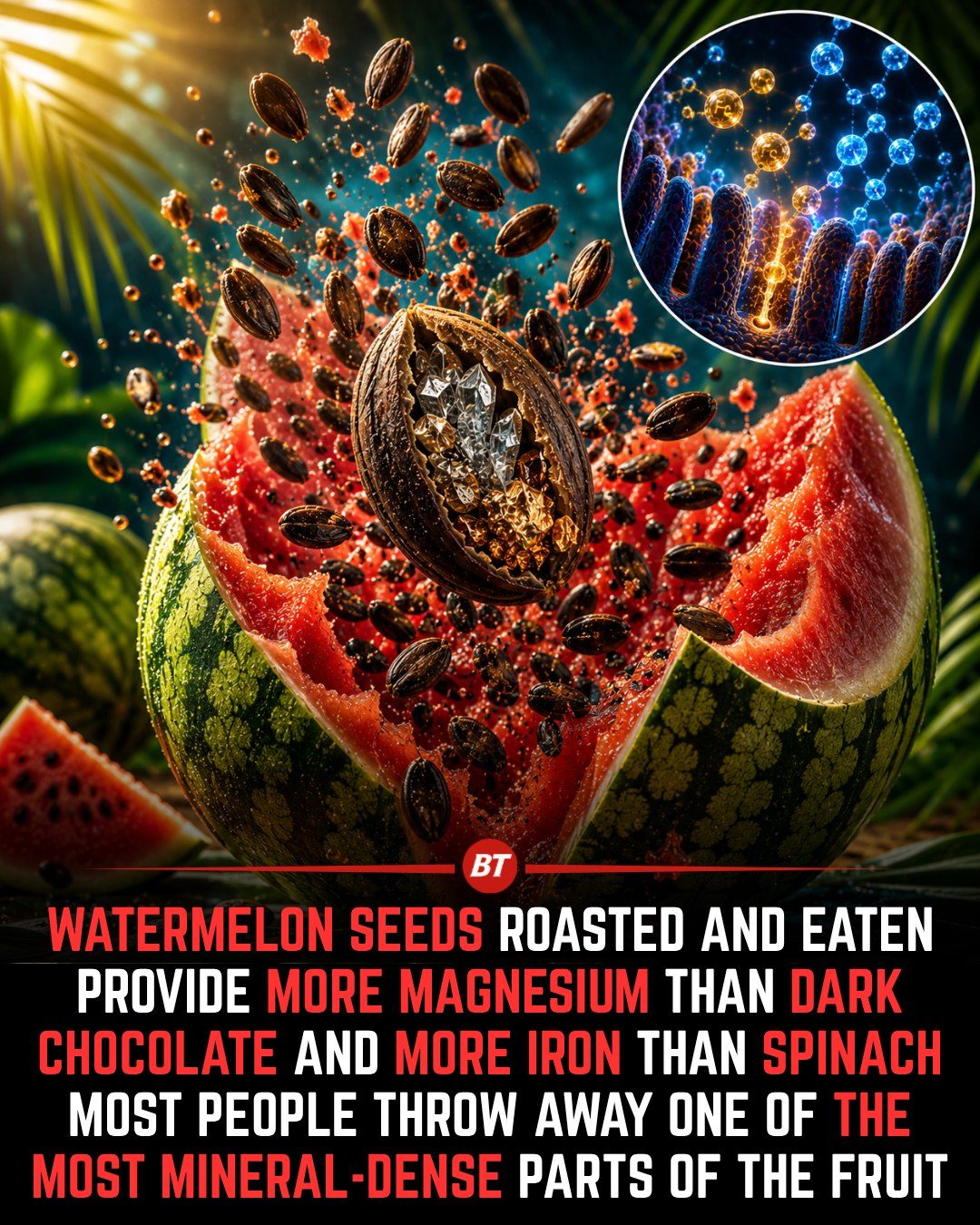
Watermelon Seeds: A Nutritional Powerhouse
Watermelon seeds, often overlooked and discarded, are a nutritional powerhouse packed with essential minerals, healthy fats, plant protein, and antioxidants. While the juicy red flesh of the watermelon is typically the highlight, the seeds offer a range of health benefits that make them a valuable addition to any diet.
Context: Why Watermelon Seeds Matter
The humble watermelon seed is more than just a nuisance to spit out; it is a concentrated source of nutrients. For centuries, many cultures have enjoyed these small seeds as a crunchy snack. Yet, most people discard them without giving them a second thought. This practice overlooks a significant source of essential minerals, healthy fats, and plant protein.
Nutritional Benefits of Watermelon Seeds
Rich in Magnesium
Watermelon seeds are particularly rich in magnesium, a mineral that plays a crucial role in over 300 biochemical reactions in the body. These reactions include muscle function, nerve signaling, blood sugar regulation, and energy production. Magnesium is essential for maintaining overall health and well-being, and consuming watermelon seeds can be an effective way to boost your magnesium intake.
Roasted watermelon seeds provide more magnesium than dark chocolate, making them a tasty and nutritious alternative to traditional snacks.
High in Iron
In addition to magnesium, watermelon seeds contain significant amounts of iron. Iron is vital for transporting oxygen throughout the body and supporting the formation of healthy red blood cells. These seeds are rich in iron, containing more than spinach and other commonly known iron-rich foods.
Packed with Healthy Fats and Protein
These seeds are not just a source of minerals; they also provide a good amount of protein, zinc, copper, and heart-healthy unsaturated fats. This combination makes them a well-rounded snack that supports overall health and provides sustained energy.
Antioxidant Power
Watermelon seeds are also packed with antioxidants, which help to combat oxidative stress in the body. These antioxidants can help reduce the risk of chronic diseases and support overall health and well-being.
Incorporating Watermelon Seeds into Your Diet
Roasting Watermelon Seeds
One of the most popular ways to enjoy watermelon seeds is by roasting them. Roasting enhances their natural flavors and makes them a satisfying snack. Here’s a simple method to roast watermelon seeds:
- Rinse the seeds thoroughly to remove any pulp or dirt.
- Allow the seeds to dry completely.
- Preheat your oven to 300°F (150°C).
- Spread the seeds evenly on a baking sheet.
- Roast for about 15-20 minutes, or until the seeds are lightly crisp.
- Enjoy them as a snack, or add them to salads, trail mixes, or baked goods for a natural boost of minerals, protein, and healthy fats.
Other Culinary Uses
There are several ways to incorporate watermelon seeds into your diet. You can add them to smoothies for a nutritional boost, sprinkle them over salads for added crunch and flavor, or use them as a topping for soups and stews. The versatility of these seeds makes them an excellent addition to a variety of dishes.
Practical Tips
When purchasing watermelon seeds, opt for raw, unsalted seeds to maximize their nutritional benefits. You can find these seeds in specialty food stores, health food stores, or online. If you prefer a convenience, you can also buy pre-roasted watermelon seeds, although they may contain added salt or other seasonings.
To store watermelon seeds, keep them in an airtight container in a cool, dry place. This will help maintain their freshness and nutritional content.
Food products containing watermelon seeds are often labeled as "pumpkin seed mixes" because they are similar in texture and flavor. However, it is important to note that the nutritional profiles of watermelon seeds and pumpkin seeds differ.
Important Takeaways
Discovering the nutritional value of watermelon seeds is a game-changer for anyone looking to improve their diet. These small seeds are an excellent source of magnesium, iron, and other essential nutrients. By roasting and incorporating them into your meals, you can enjoy a range of health benefits while adding a unique flavor to your dishes.
Conclusion
Watermelon seeds are a hidden gem in the world of nutrition. Often discarded, these seeds are a rich source of essential minerals, healthy fats, and antioxidants. Whether you roast them for a snack or add them to your favorite dishes, incorporating watermelon seeds into your diet can provide numerous health benefits. Next time you slice into a juicy watermelon, consider saving the seeds and enjoying them as a nutritious and delicious treat.
Watch the Reel
Questions readers ask
Are watermelon seeds safe to eat?
Yes, watermelon seeds are safe to eat. They can be consumed raw or roasted. Roasting can enhance their flavor and make them a tasty snack. It's important to note that if you purchase them, you should choose uncooked or dry roasted. Some commercially available seeds are prepared with added salt or sugar, which may not be suitable for everyone.
What are the primary nutrients found in watermelon seeds?
Watermelon seeds are packed with essential minerals like magnesium and iron, healthy fats, and a significant amount of plant protein. They also contain antioxidants that benefit overall health. This combination makes them an excellent addition to a balanced diet.
How do the minerals in watermelon seeds benefit my body?
The minerals in watermelon seeds, particularly magnesium, play a crucial role in muscle function and energy production. Iron, on the other hand, is vital for oxygen transportation in the body and the formation of red blood cells, which helps prevent anemia and fatigue.
Can eating watermelon seeds help build muscle?
Yes, eating watermelon seeds can contribute to muscle health. The seeds are rich in magnesium, which is essential for muscle function, and they also provide a good source of plant protein. This combination can support muscle growth and maintenance.
What are the benefits of roasting watermelon seeds?
Roasting watermelon seeds enhances their flavor and crunch, making them a more enjoyable snack. Additionally, roasting can help to preserve the seeds, extending their shelf life. The process of roasting can also make the seeds more digestible for some people, but it's important to avoid added salt or sugar.
Are there any other parts of the watermelon that are nutritious?
While the red flesh of the watermelon is well-known for its hydrating properties and vitamin C content, the rind is also nutritious. The rind contains citrulline, an amino acid that may help improve heart health and reduce muscle fatigue.
How can I incorporate watermelon seeds into my diet?
You can incorporate watermelon seeds into your diet in various ways. They can be eaten raw, roasted as a snack, or blended into smoothies. You can also add them to salads, oatmeal, or even use them as a topping for yogurt. This versatility makes it easy to boost your nutrient intake.
Related deep dives
Similar reads based on topic and creator.




Recent articles
Fresh deep dives from the latest Reels we unpacked.




Comments
Be the first to comment.