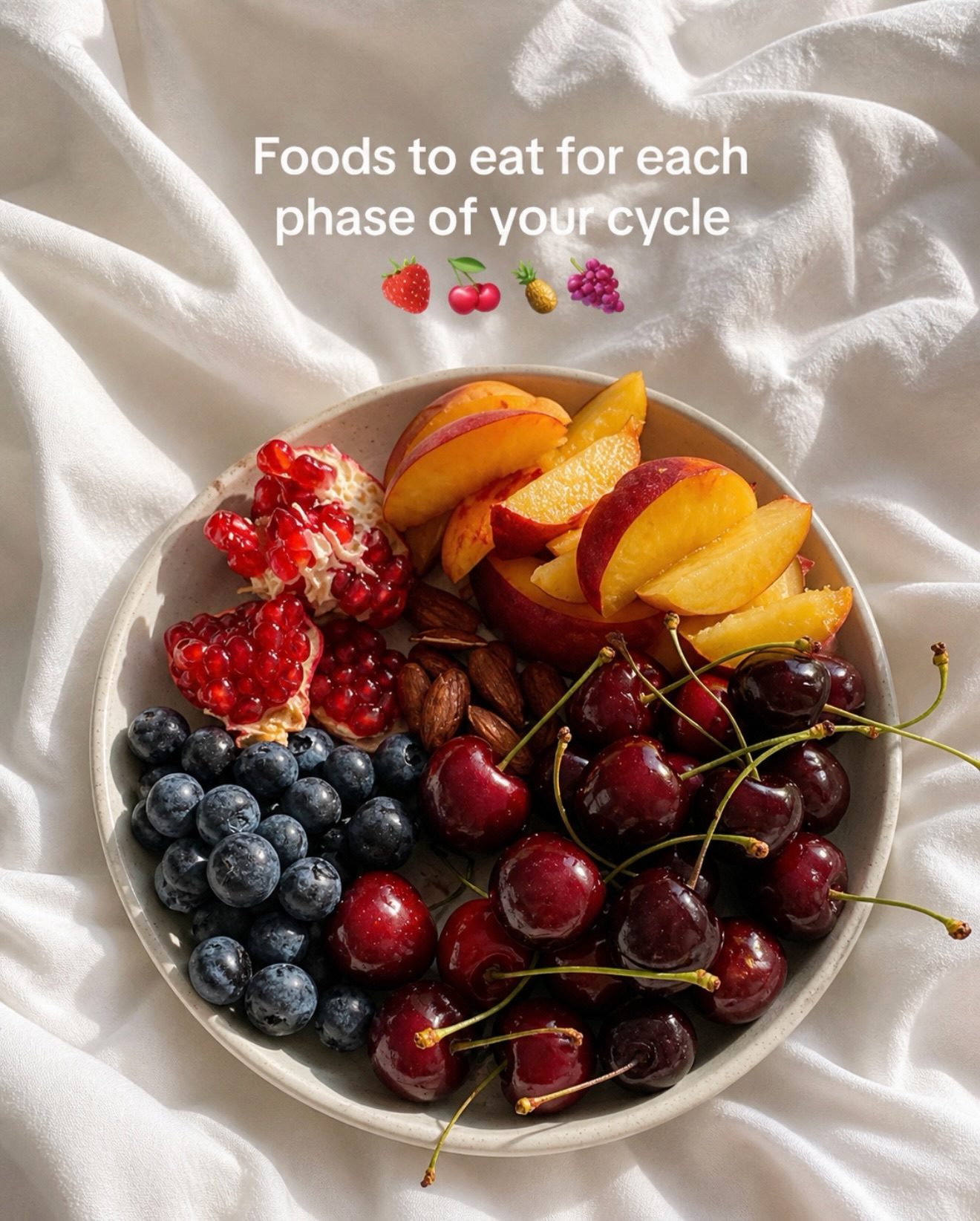
The Impact of Nutrition on the Menstrual Cycle
Understanding the nuances of your menstrual cycle can help you make informed decisions about your nutrition, which in turn can positively affect your energy levels, mood, and overall well-being. Your body goes through four distinct phases each month, and each of these phases has unique nutritional needs.
Context: Why This Matters
Many people struggle with maintaining a consistent diet throughout their menstrual cycle, often overlooking the fact that their bodies' needs change week to week. By aligning your diet with these phases, you can experience fewer cravings, sustained energy, and better overall mood. This approach is not about perfection but about working with your body's natural rhythms rather than against them.
Understanding the Four Phases
Menstrual Phase: Rest and Replenish
The menstrual phase is characterized by a need for rest and replenishment. During this time, your body is shedding its uterine lining, and you may experience fatigue, headaches, or mood swings. To support your body during this phase, focus on:
- Warm meals: Soups, stews, and warm dishes can be comforting and nourishing.
- Iron-rich foods: Foods like red meat, poultry, fish, beans, and dark leafy greens can help replenish your iron stores, which are often depleted during menstruation.
- Soups: These can be both hydrating and nourishing.
- Dark chocolate: A small amount can provide antioxidants and a mood boost.
- Herbal teas: Chamomile or peppermint tea can help alleviate cramps and promote relaxation.
Follicular Phase: Light and Energy
The follicular phase is a time of renewal and increased energy. This phase begins with the start of your period and ends with ovulation. Your body is preparing for ovulation, and your estrogen levels are rising. To support this phase, incorporate:
- Smoothies: These are easy to digest and can provide a quick energy boost.
- Fresh salads: Light and refreshing, salads can help keep your energy levels up.
- Fermented foods: Such as kimchi, sauerkraut, or yogurt, which support gut health.
- Lean proteins: Foods like eggs, chicken, or turkey can help maintain your energy levels.
- Broccoli and other cruciferous vegetables: These are rich in nutrients and can support your body’s detoxification processes.
- Seeds: Pumpkin, flax, and chia seeds are good sources of healthy fats and fiber.
- Citrus fruits: These are high in vitamin C, which can support your immune system and overall health.
Ovulatory Phase: Glow and Radiance
The ovulatory phase is marked by peak energy and confidence. During this time, your estrogen and testosterone levels are at their highest, making you feel more vibrant and energetic. To enhance this phase, focus on:
- Berries: Rich in antioxidants and fiber, berries can boost your immune system and energy levels.
- Avocado: High in healthy fats, avocados can support your skin health and provide sustained energy.
- Arugula and other leafy greens: These are packed with nutrients that can support your overall health.
- Asparagus: High in folate and fiber, asparagus can support your digestive health.
- Quinoa: A complete protein source that is also rich in fiber, quinoa can help maintain your energy levels.
- Salmon: Rich in omega-3 fatty acids, salmon can support your brain health and reduce inflammation.
- Fresh herbs: These can add flavor to your meals and provide additional nutrients.
Luteal Phase: Grounding and Nourishment
The luteal phase is the time between ovulation and the start of your next period. During this phase, your body is preparing for menstruation, and you may experience increased cravings and fatigue. To support your body during this phase, focus on:
- Carbohydrates: Foods like sweet potatoes, oats, and rice can provide the energy you need.
- Magnesium-rich foods: Such as dark chocolate, bananas, and leafy greens, which can help alleviate cramps and support your mood.
- Healthy fats: Foods like avocados, nuts, and seeds can help stabilize your blood sugar levels and provide sustained energy.
- Bananas: Rich in potassium and fiber, bananas can help alleviate cramps and support your digestive health.
The Role of a Nutrition App
Adjusting your diet to match the phases of your menstrual cycle can be challenging, but a nutrition app can make the process easier. There are apps available that provide data-driven nutrition insights and help you track your calorie and macro intake. These apps can offer personalized recommendations based on your cycle phase, ensuring that you get the nutrients you need at the right time. Additionally, they can provide features for workouts, challenges, and wallet management, making it easier to stay on track with your health goals.
Practical Tips for Matching Your Diet to Your Cycle
Here are some practical tips to help you match your diet to your menstrual cycle:
- Plan Ahead: Take note of your cycle phases and plan your meals accordingly. This can help you avoid last-minute decisions and ensure that you have the right foods on hand.
- Stay Hydrated: Drink plenty of water throughout your cycle. Hydration is crucial for supporting your body's natural processes.
- Listen to Your Body: Pay attention to your body's signals and adjust your diet as needed. If you feel fatigued, you may need to increase your carbohydrate intake. If you feel bloated, you may need to reduce your sodium intake.
- Consult a Professional: If you're unsure about how to adjust your diet, consider consulting a nutritionist or dietitian. They can provide personalized guidance and ensure that you're meeting your nutritional needs.
- Use a Nutrition App: A nutrition app can make it easier to track your intake and get personalized recommendations based on your cycle phase.
Important Takeaways
Understanding your menstrual cycle and adjusting your diet accordingly can have a significant impact on your overall well-being. By incorporating the right foods during each phase, you can support your body's natural processes, maintain your energy levels, and improve your mood. While there is no one-size-fits-all approach, listening to your body and making small adjustments can go a long way in supporting your health.
Conclusion
Your menstrual cycle is a natural process that affects your body in numerous ways. By aligning your diet with the phases of your cycle, you can support your body's unique needs and improve your overall well-being. Whether you're in the menstrual, follicular, ovulatory, or luteal phase, there are specific foods and nutrients that can help you feel your best. By making small adjustments to your diet, you can experience fewer cravings, sustained energy, and a better overall mood.
Watch the Reel
Questions readers ask
How does aligning my diet with my menstrual cycle help with energy levels?
Aligning your diet with your menstrual cycle can help maintain consistent energy levels by providing the right nutrients at the right times. For example, during the follicular phase, your body may benefit from increased carbohydrates for energy, while the luteal phase might require more fat and protein to support hormonal changes and prevent fatigue.
What are the key nutrients to focus on during the follicular phase?
During the follicular phase, focus on nutrient-dense foods rich in folate, iron, and vitamin B6. These nutrients support the growth of the uterine lining and can help boost energy levels. Incorporate foods like leafy greens, citrus fruits, and whole grains into your diet.
How should I adjust my diet during the ovulation phase?
The ovulation phase is a great time to include more phytoestrogen-rich foods, such as soy products, flaxseeds, and berries. These foods can support hormonal balance and help manage symptoms like bloating. Additionally, staying hydrated and consuming antioxidant-rich foods can support overall health during this phase.
What dietary changes can help manage symptoms during the luteal phase?
To manage symptoms during the luteal phase, focus on foods high in magnesium, calcium, and B vitamins. These nutrients can help alleviate mood swings, bloating, and cramps. Incorporate foods like dark chocolate, nuts, seeds, and leafy greens into your diet, and consider reducing caffeine and sugar intake to support better sleep and mood stability.
Why is it important to adjust my diet during the menstrual phase?
Adjusting your diet during the menstrual phase can help alleviate symptoms like cramps and fatigue. Focus on iron-rich foods to replenish lost blood, and consume anti-inflammatory foods like turmeric, ginger, and fatty fish to reduce inflammation and pain. Staying hydrated and avoiding processed foods can also support overall well-being during this phase.
What is cycle syncing and how can it benefit my nutrition?
Cycle syncing is the practice of aligning your diet and lifestyle with the different phases of your menstrual cycle. It can benefit your nutrition by ensuring you consume the right nutrients at the right times, reducing cravings, and maintaining sustained energy throughout the month. This approach can help you feel more in tune with your body and its natural rhythms.
Are there specific foods to avoid during certain phases of the menstrual cycle?
While individual tolerances may vary, some people find that reducing caffeine and sugar intake during the luteal phase can help manage mood swings and sleep disturbances. Additionally, processed foods and excessive salt can contribute to bloating during the ovulation and luteal phases, so it might be beneficial to limit these during those times.
Recent articles
Fresh deep dives from the latest Reels we unpacked.




Comments
Be the first to comment.