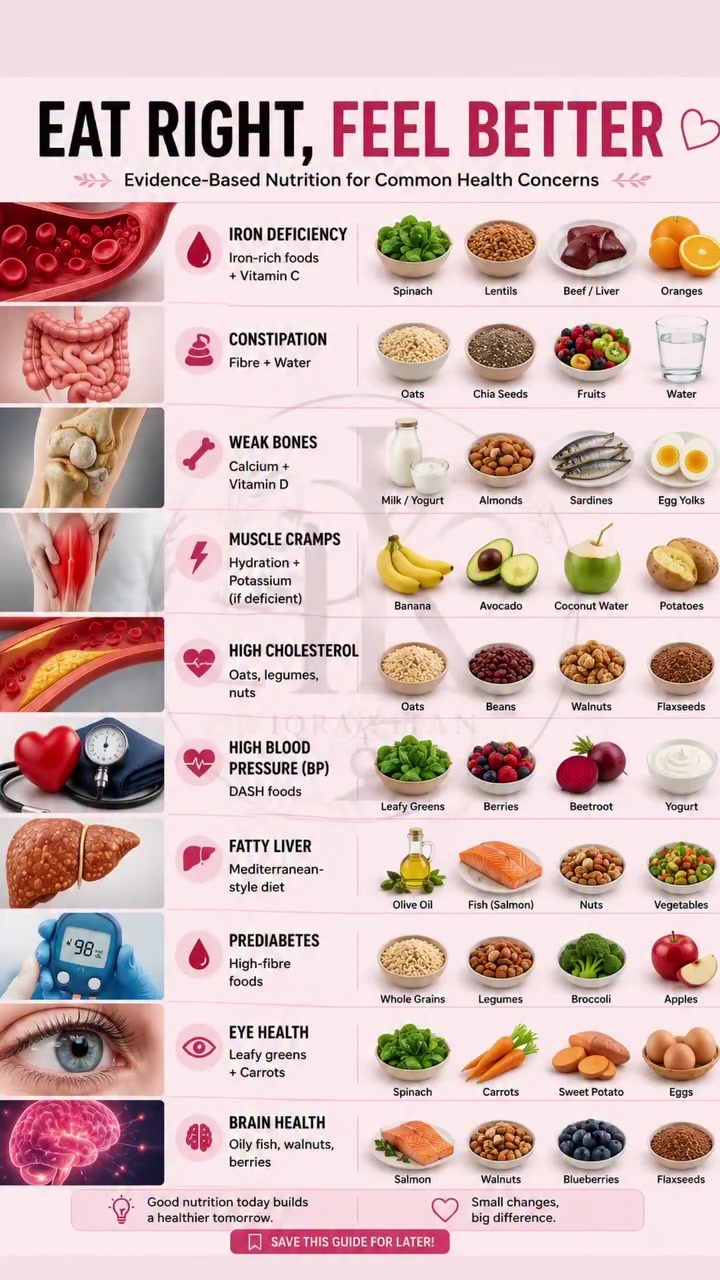
Nutrition for Common Health Concerns
Nutrition plays a crucial role in supporting overall health, and certain foods can help address specific health issues. This guide provides evidence-based nutritional advice for common health concerns, highlighting the importance of incorporating specific foods into your diet to support various aspects of your well-being. Remember, while nutrition is essential, it should not replace medical treatment.
Why This Matters
A well-balanced diet can significantly improve your health and quality of life. By understanding which foods support specific health concerns, you can make informed decisions about your diet and potentially alleviate or prevent various health issues. This guide focuses on evidence-based nutrition, ensuring that the recommendations are grounded in scientific research.
Common Health Concerns and Nutritional Solutions
Iron Deficiency
Iron deficiency can lead to fatigue, weakness, and other health problems. To address this, incorporate iron-rich foods into your diet. Foods like red meat, poultry, fish, beans, dark leafy greens, and fortified cereals are excellent sources of iron. Additionally, consuming vitamin C-rich foods, such as citrus fruits, bell peppers, and strawberries, can enhance iron absorption.
Constipation
Constipation is a common issue that can be alleviated with a diet rich in fiber and adequate hydration. Foods high in fiber, such as whole grains, fruits, vegetables, legumes, nuts, and seeds, can help regulate bowel movements. Increasing your fluid intake, especially water, is also crucial for preventing constipation.
Bone Health
Weak bones can be strengthened with a diet that includes calcium and vitamin D. Dairy products, leafy greens, fortified plant-based milks, and fatty fish are good sources of calcium. Vitamin D can be obtained from sunlight, fatty fish, egg yolks, and fortified foods. Ensuring an adequate intake of these nutrients helps maintain bone density and strength.
Muscle Cramps
Muscle cramps can be prevented with proper hydration and adequate potassium intake. While dehydration is a common cause of muscle cramps, a deficiency in potassium can also contribute to this issue. Foods rich in potassium include bananas, oranges, spinach, avocados, and sweet potatoes. Staying hydrated by drinking plenty of water throughout the day is also essential.
High Cholesterol
Managing high cholesterol involves incorporating foods that can help lower LDL (bad) cholesterol levels. Oats, legumes, and nuts are particularly beneficial. These foods are rich in soluble fiber, which can help reduce cholesterol absorption in the gut. Including a variety of these foods in your diet can support heart health and manage cholesterol levels.
High Blood Pressure
High blood pressure can be controlled through a diet rich in specific nutrients. The DASH (Dietary Approaches to Stop Hypertension) eating pattern is an excellent guideline. This diet emphasizes fruits, vegetables, whole grains, lean protein, and low-fat dairy, while limiting sodium, red meat, sweets, and sugar-containing beverages. Leafy greens and berries are particularly beneficial for managing blood pressure.
Fatty Liver
A Mediterranean-style diet can significantly improve fatty liver conditions. This diet focuses on plant-based foods, whole grains, healthy fats (such as olive oil), and lean proteins. Limiting processed foods, red meat, and sugary beverages is also crucial. This dietary approach has been shown to reduce liver fat and improve overall liver function.
Eye Health
Maintaining good eye health involves consuming foods rich in specific nutrients. Leafy greens, such as spinach and kale, and carrots are excellent sources of vitamins and antioxidants that support eye health. These foods contain lutein, zeaxanthin, and beta-carotene, which are essential for maintaining good vision and preventing age-related eye diseases.
Brain Health
Supporting brain health involves consuming foods rich in omega-3 fatty acids, antioxidants, and other essential nutrients. Oily fish, such as salmon and mackerel, walnuts, and berries are particularly beneficial. These foods contain omega-3 fatty acids, which are crucial for brain function and development. Additionally, antioxidants in berries can help protect the brain from oxidative stress and inflammation.
Prediabetes
Managing prediabetes involves focusing on a diet high in fiber, which can help regulate blood sugar levels and improve insulin sensitivity. Foods rich in fiber include whole grains, fruits, vegetables, legumes, nuts, and seeds. Incorporating these foods into your diet can help manage prediabetes and reduce the risk of developing type 2 diabetes.
Practical Tips
Incorporate Variety
Incorporating a variety of nutrients into your diet is key to maintaining overall health. Aim to include a mix of fruits, vegetables, whole grains, lean proteins, and healthy fats in your meals. This diversity ensures that you get a wide range of essential nutrients to support various aspects of your health.
Plan Your Meals
Meal planning can help you ensure that you include the necessary nutrients in your diet. Plan your meals to include a balance of essential nutrients, focusing on the specific foods that support your health concerns.
Stay Hydrated
Hydration is crucial for overall health and can help alleviate various health issues, including muscle cramps and constipation. Aim to drink plenty of water throughout the day, and consider incorporating hydrating foods like fruits and vegetables into your diet.
Monitor Your Progress
Keeping track of your diet and health progress can help you understand the impact of your nutritional choices. Consider maintaining a food journal to monitor your intake and assess how your diet affects your health concerns.
Important Takeaways
Nutrition is a Key Component
Nutrition is a crucial component of overall health and can help address various health concerns. Incorporating specific foods into your diet can support your well-being and potentially alleviate or prevent specific health issues.
Consult a Professional
While nutrition can support health, it should not replace medical treatment. Always consult a healthcare professional before making significant changes to your diet, especially if you have underlying health conditions. They can provide personalized guidance and ensure that your dietary choices are safe and effective.
Stay Informed
Staying informed about the latest research and recommendations on nutrition can help you make informed decisions about your diet. Regularly update your knowledge and follow trusted sources for reliable information.
Conclusion
Incorporating evidence-based nutrition into your diet can significantly improve your health and support specific health concerns. By focusing on specific foods and nutrients, you can address issues like iron deficiency, constipation, bone health, muscle cramps, high cholesterol, high blood pressure, fatty liver, eye health, brain health, and prediabetes. Always remember that while nutrition is essential, it should complement, not replace, medical treatment. Consult a healthcare professional for personalized guidance and stay informed about the latest research to make the best choices for your health.
Watch the Reel
Questions readers ask
What are the best foods to boost iron levels?
Foods rich in iron are essential for maintaining healthy blood and preventing iron deficiency. Opt for lean red meat, poultry, fish, beans, lentils, and dark leafy greens. Also pair vitamin C rich foods like oranges and bell peppers, as these help in the absorption of iron.
Which foods can help alleviate constipation?
Incorporating fiber-rich foods into your diet can help prevent and relieve constipation. Focus on foods like whole grains, fruits (especially apples, berries, and prunes), vegetables (such as broccoli and carrots), and legumes. Staying hydrated by drinking plenty of water is also crucial.
What nutritional advice is beneficial for prediabetes?
For people with prediabetes, focusing on foods with a low glycemic index can help manage blood sugar levels. Include plenty of lean protein, healthy fats, and complex carbohydrates from sources like whole grains, fruits, and vegetables. Limit intake of processed foods, sugars, and refined carbohydrates.
Which foods are recommended for supporting liver health?
Promoting liver health involves eating a balanced diet. Foods rich in antioxidants, such as berries, leafy greens, and nuts, are beneficial. Additionally, include foods high in fiber, like whole grains and vegetables, and limit high-fat and processed foods to support liver function.
What nutrients are important for maintaining brain health?
For brain health, prioritize foods rich in omega-3 fatty acids, such as fatty fish (salmon, mackerel), walnuts, and chia seeds. Antioxidant-rich foods, like blueberries and colorful fruits and vegetables, also support cognitive function. Additionally, whole grains and lean proteins can help maintain brain health.
How can nutrition help prevent muscle cramps?
To prevent muscle cramps, ensure adequate hydration and incorporate foods rich in electrolytes, such as bananas, oranges, and leafy greens. Foods high in magnesium, like almonds, spinach, and dark chocolate, can also help relax muscles and prevent cramps. Regular intake of potassium-rich foods, such as sweet potatoes and avocados, is beneficial as well.
Which foods support the health of your eyes?
Nutritional support for eye health includes foods rich in vitamins A, C, and E, as well as lutein, zeaxanthin, and omega-3 fatty acids. Carrots, sweet potatoes, leafy greens, citrus fruits, and nuts are beneficial. Additionally, fatty fish like salmon and mackerel can help maintain eye health.
Recent articles
Fresh deep dives from the latest Reels we unpacked.




Comments
Be the first to comment.