The Impact of Nutrition on Muscle Building and Recovery
Nutrition is a critical factor in achieving fitness goals, whether the aim is to build muscle, improve performance, or enhance recovery. By focusing on high-quality protein, adequate carbohydrates, and healthy fats, individuals can create a nutritional foundation that supports their active lifestyle. However, it's essential to understand the roles of various foods and how they contribute to muscle growth, hormone regulation, and overall recovery.
Why Nutrition Matters
Consistent and balanced nutrition plays a crucial role in how the body performs during workouts, recovers afterward, and builds muscle. Proper nutrition provides the essential nutrients needed for energy, muscle repair, and overall well-being.
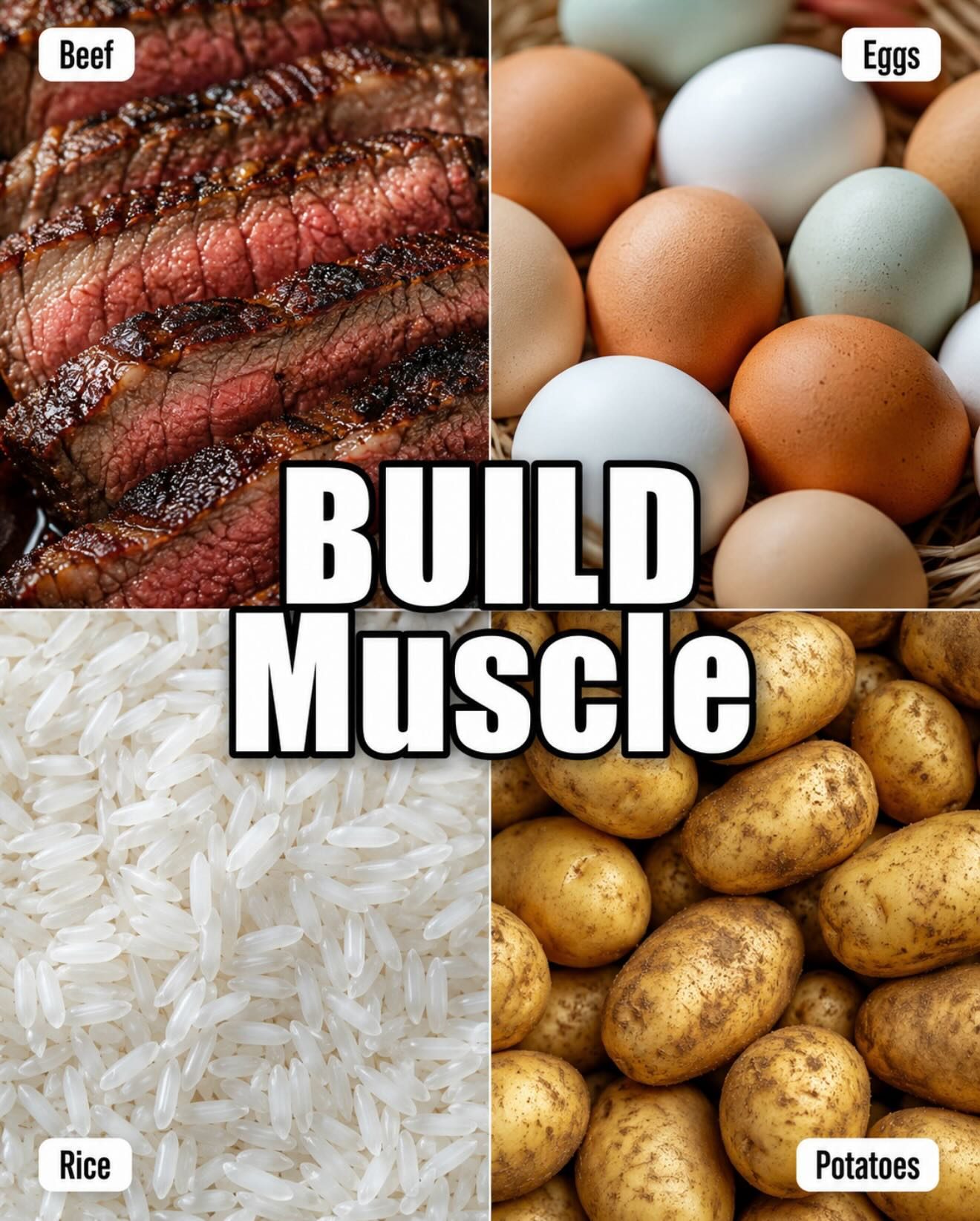
Foods rich in protein, such as eggs, beef, and fish, are essential for muscle repair and growth. Carbohydrates from sources like potatoes and rice fuel workouts and aid in recovery. Healthy fats, found in foods like avocados and dairy, support hormonal health and overall body function.
Conversely, consuming excessive amounts of highly processed foods, sugary drinks, and energy drinks can hinder recovery, body composition, and performance. These foods often lack essential nutrients and can lead to inflammation and other health issues.
Muscle-Building Foods
Certain foods are particularly effective for muscle building due to their high protein content and nutrient density. Here are some key foods to include in a muscle-building diet:
Protein-Packed Foods
Beef, Eggs, Fish, and Dairy: These foods are excellent sources of complete proteins, containing all the essential amino acids necessary for muscle repair and growth. Beef, in particular, is a great source of creatine, which plays a vital role in energy production during workouts. Eggs, especially the yolks, provide high-quality protein along with essential vitamins and minerals. Fish, like tuna and salmon, are rich in omega-3 fatty acids, which support muscle recovery and reduce inflammation.
Carbohydrates for Energy
Rice and Potatoes: Carbohydrates are the body's primary energy source, especially during high-intensity workouts. Rice and potatoes are complex carbohydrates that provide sustained energy and support muscle recovery. They also contain beneficial vitamins and minerals, making them a valuable addition to any fitness diet.
Healthy Fats
Avocados and Nuts: Healthy fats are crucial for overall health and hormonal balance. Avocados, for example, are rich in monounsaturated fats, which support heart health and help maintain healthy testosterone levels. Kefir, a fermented dairy product, provides probiotics that support gut health, which in turn can aid in nutrient absorption and overall well-being.
Testosterone-Boosting Foods
While no single food can significantly boost testosterone levels, certain foods support overall hormonal health. Incorporating these foods into your diet can help maintain optimal hormone levels, which are essential for muscle growth and performance.
Egg Yolks, Avocados, Tuna, and Kefir: Egg yolks are rich in cholesterol, a precursor to testosterone production. Avocados provide healthy fats that support hormone balance. Tuna is high in protein and omega-3 fatty acids, which can reduce inflammation and support hormonal health. Kefir offers probiotics that support gut health, which in turn can improve overall hormonal function.
Easy Recovery Foods
Post-workout recovery is crucial for muscle growth and overall performance. Certain foods can aid in quick recovery by providing the necessary nutrients for muscle repair and replenishing energy stores.
Bananas, Protein Powder, Salmon, and Sweet Potatoes: Bananas are rich in potassium and carbohydrates, making them an excellent choice for post-workout recovery. Protein powder is a convenient way to consume high-quality protein, which aids in muscle repair and growth. Salmon is rich in omega-3 fatty acids, which reduce inflammation and support recovery. Sweet potatoes provide complex carbohydrates and essential vitamins and minerals, making them a great addition to any post-workout meal.
Practical Tips
To maximize the benefits of nutrition on muscle building and recovery, consider the following tips:
Prioritize Quality
Focus on consuming high-quality, nutrient-dense foods. Aim for whole, unprocessed foods that provide essential vitamins, minerals, and macronutrients. Limit processed foods, sugary drinks, and excessive alcohol, as these can hinder recovery and performance.
Consistency Over Perfection
Aim for consistency in your eating habits rather than perfection. It's okay to indulge in treats occasionally. The key is to maintain a balanced diet most of the time, with 80-90% of your meals consisting of whole, nutrient-dense foods.
Hydration and Balance
Staying hydrated is crucial for overall health and performance. Ensure you're drinking enough water throughout the day, especially during and after workouts. Balancing your macronutrients (protein, carbohydrates, and fats) is also essential. Aim for a balanced diet that supports your specific goals and activity level.
Use Tools and Apps
Apps like Workit can be invaluable for tracking your nutrition, setting goals, and monitoring progress. These apps offer personalized nutrition plans, macro tracking, and healthy recipes, making it easier to stay on track and achieve your fitness goals.
Important Takeaways
The role of nutrition in muscle building, performance, and recovery cannot be overstated. Consuming a balanced diet rich in high-quality protein, carbohydrates, and healthy fats is essential for supporting your fitness journey. Foods like beef, eggs, rice, and potatoes are excellent choices for muscle building, while avocados, tuna, and kefir support hormonal health. Post-workout recovery can be enhanced with foods like bananas, protein powder, salmon, and sweet potatoes. Tools like Workit can help you stay on track and achieve your goals more effectively.
By focusing on consistent, balanced nutrition and incorporating these foods into your diet, you can optimize your performance, recovery, and overall health.
Conclusion
Nutrition is a fundamental aspect of achieving fitness goals. By prioritizing high-quality protein, adequate carbohydrates, and healthy fats, and by incorporating foods that support muscle growth, hormonal health, and recovery, you can significantly enhance your fitness journey. Remember, consistency is key, and tools like Workit can provide the support and guidance you need to stay on track and reach your goals.
Watch the Reel
Questions readers ask
Which foods are best for muscle recovery after workouts?
Foods rich in protein and carbohydrates are excellent for muscle recovery. Options like Greek yogurt with berries, chicken with sweet potatoes, or a protein shake with a banana can help repair muscles and replenish energy stores. Opt for nutrient-dense, whole foods to maximize recovery benefits.
How does protein support muscle building and recovery?
Protein is crucial for muscle repair and growth. It provides the amino acids necessary for muscle tissue synthesis and recovery. Good sources of protein include lean meats, fish, eggs, dairy, and plant-based proteins like lentils and tofu.
What are some high-protein meal ideas for post-workout?
High-protein meals can aid recovery and muscle growth. Consider a grilled chicken salad with avocado and quinoa, a tuna salad with whole-grain bread, or a beef stir-fry with brown rice and vegetables. These meals combine protein with carbohydrates and healthy fats for balanced nutrition.
Why are carbohydrates important for muscle building?
Carbohydrates fuel workouts and help repair muscles. They provide the energy needed for intense exercises and replenish glycogen stores post-workout. Opt for complex carbohydrates like whole grains, fruits, and vegetables for sustained energy and better nutrient absorption.
What role do healthy fats play in muscle recovery and overall fitness?
Healthy fats, such as those found in avocados, nuts, and olive oil, support overall fitness by reducing inflammation and aiding in hormone regulation. They also help absorb essential vitamins and provide a slow-burning energy source, which is beneficial for sustained workouts and recovery.
Are there any specific foods that can help boost testosterone levels and muscle growth?
Foods like eggs, beef, and cruciferous vegetables (e.g., broccoli, cauliflower) can help support testosterone levels. These foods are rich in vitamins and minerals that contribute to hormone regulation and overall health, which is beneficial for muscle growth and recovery.
How soon after a workout should I consume a recovery meal?
It's ideal to consume a recovery meal within 30 to 60 minutes after a workout. This timeframe, known as the anabolic window, allows your body to efficiently absorb nutrients and start the muscle repair process. Aim for a balance of protein and carbohydrates to support recovery and muscle growth.
Recent articles
Fresh deep dives from the latest Reels we unpacked.




Comments
Be the first to comment.