Nutella in Space
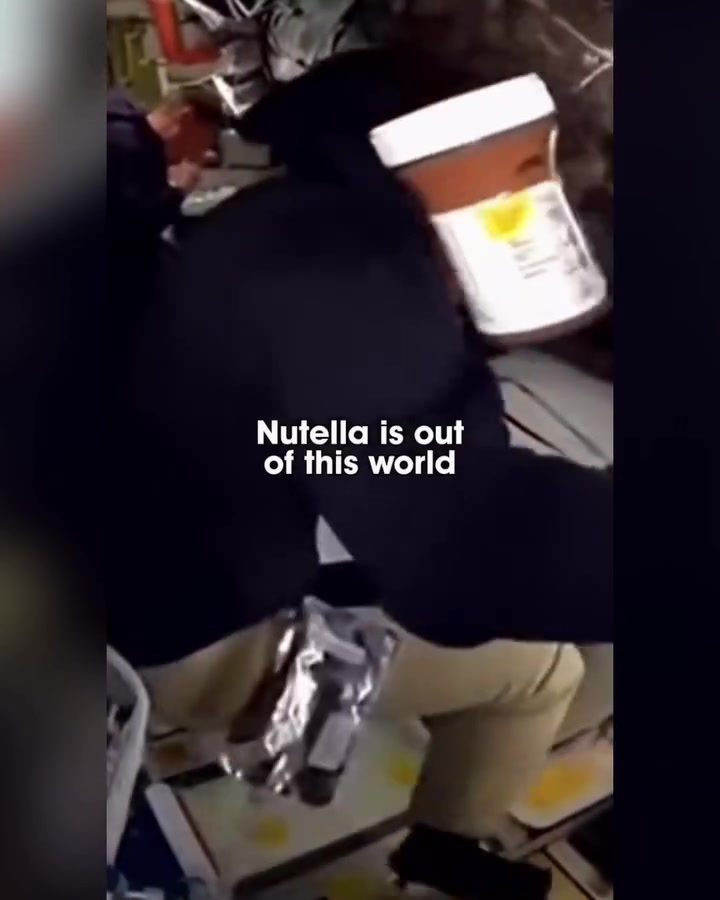
The image of a jar of Nutella floating in zero gravity inside a NASA spacecraft has captured worldwide attention, blending the familiar with the extraordinary and sparking conversations about food in space.
Context / Why this matters
Space missions often include everyday items to provide a sense of home and comfort to astronauts. The inclusion of Nutella on board a NASA spacecraft highlights the unique ways in which astronauts' diets are designed to be nutritious, convenient, and comforting. This blend of the familiar and the extraordinary in space exploration offers a glimpse into the practical and psychological aspects of life in space.
The video of the jar of Nutella floating in microgravity quickly became a viral sensation, drawing attention from food enthusiasts and space explorers alike. It underscores the intersection of everyday life and cutting-edge technology, making the mundane seem magical in the weightless environment of space.
Main discussion
The Role of Food in Space
Food plays a crucial role in space missions, providing essential nutrients while also serving as a psychological boost. Astronauts consume specially prepared meals that are lightweight, have a long shelf life, and provide balanced nutrition. The presence of Nutella, a well-known spread, raises questions about how such items are selected and how they contribute to the overall well-being of astronauts.
Nutrition and Convenience
Space food must meet stringent criteria for taste, texture, and nutritional content. While Nutella itself isn't part of the regular NASA-approved menu, it fits the broader criteria of being a calorie-dense, easy-to-store food item. The spread's high-energy content and compact form factor make it a practical choice for long-duration missions.
Psychological Comfort
The inclusion of familiar foods like Nutella can be a significant psychological booster for astronauts. The comfort and familiarity of everyday items can help mitigate the stress and isolation of life in space. While the specific reasons for Nutella's presence in the spacecraft aren't disclosed, it's easy to imagine its appeal as a treat and a reminder of home.
How Foods Are Packaged for Space
Space-ready food undergoes rigorous preparation to ensure it's safe and palatable in microgravity. This includes vacuum-sealing, dehydrating, and sometimes freeze-drying. Nutella, which is already shelf-stable, might require minimal modifications for space travel. Its consistency and packaging would need to withstand the rigors of space travel and be easily usable in a weightless environment.
Long Shelf Life and Minimal Packaging
Food items for space travel often have a long shelf life, making them practical for missions that can last months or even years. Nutella's long shelf life would make it a valuable addition to an astronaut's diet, providing a steady energy source with minimal packaging.
The Science Behind Microgravity and Food
Microgravity has a unique effect on the behavior of substances, including food. In a weightless environment, liquids and solids behave differently, affecting how food is stored, prepared, and consumed. This environment poses challenges and opportunities for innovative food packaging and preparation methods.
Nutella in Microgravity
The floating jar of Nutella showcases the absence of gravity. The spread, which is typically a semisolid, might exhibit different textures and behaviors in microgravity. This makes it an interesting subject for study, both in terms of practical applications and scientific curiosity.
Practical tips
For those interested in understanding more about food in space, here are some practical tips:
- Experiment with Zero-Grav Food Packaging: If you're curious about how food behaves in microgravity, you can create small-scale experiments to simulate zero gravity.
- Explore Space-Friendly Recipes: Try making recipes that are similar to those prepared for space travel. Dehydrated and freeze-dried foods can be a fun way to experience what astronauts eat.
- Learn About Space Nutrition: Dive into the science of space nutrition to understand how food is adapted for space travel. This includes learning about the unique dietary requirements and constraints astronauts face.
Important takeaways
- Familiar foods like Nutella play a significant role in maintaining the psychological well-being of astronauts.
- The selection of food for space travel involves careful consideration of nutritional content, shelf life, and packaging.
- The behavior of food in microgravity can be both a challenge and an opportunity for innovation in space travel.
- The presence of common food items in space highlights the intersection of everyday life and cutting-edge technology.
Conclusion
The sight of a jar of Nutella floating in a NASA spacecraft offers a fascinating glimpse into the world of space exploration and the role of food in maintaining the well-being of astronauts. This serendipitous moment underscores the importance of both the practical and psychological aspects of space travel, showcasing how everyday items can become extraordinary in the unique environment of space.
Watch the Reel
Questions readers ask
Why was a jar of Nutella sent to space?
Nutella was sent to space to provide astronauts with a comforting and familiar food item. It also offers a convenient and nutritious meal option, catering to their dietary needs during long missions.
How did the Nutella jar become a viral sensation?
A video of the Nutella jar floating in microgravity was shared online, capturing worldwide attention. The blend of the familiar and the extraordinary sparked conversations and curiosity about food in space.
What role does food like Nutella play in space missions?
Foods like Nutella serve as a reminder of home and comfort for astronauts. They also play a crucial role in maintaining the astronauts' psychological well-being and nutrition during their missions.
What kind of food do astronauts typically eat in space?
Astronauts eat a variety of foods in space, including both specially designed space food and familiar items from Earth. These foods are chosen for their nutritional content, convenience, and the comfort they provide to astronauts.
How does the inclusion of familiar foods like Nutella benefit astronauts?
Familiar foods like Nutella provide a sense of normalcy and comfort in the otherwise extraordinary environment of space. They can boost astronauts' morale and contribute to their overall well-being.
Are there other interesting food items that have been sent to space?
Yes, over the years a variety of foods have seen space travel, including pizza, ice cream, and even sushi. The distinct conditions of space demand careful preparation of food, and new approaches are constantly explored.
Can astronauts taste food in the same way as on Earth?
The taste of food can be altered in microgravity due to changes in fluid distribution in the body. This can make some foods taste bland, leading astronauts to appreciate strong flavors and familiar comfort foods like Nutella.
Related deep dives
Similar reads based on topic and creator.




Recent articles
Fresh deep dives from the latest Reels we unpacked.




Comments
Be the first to comment.