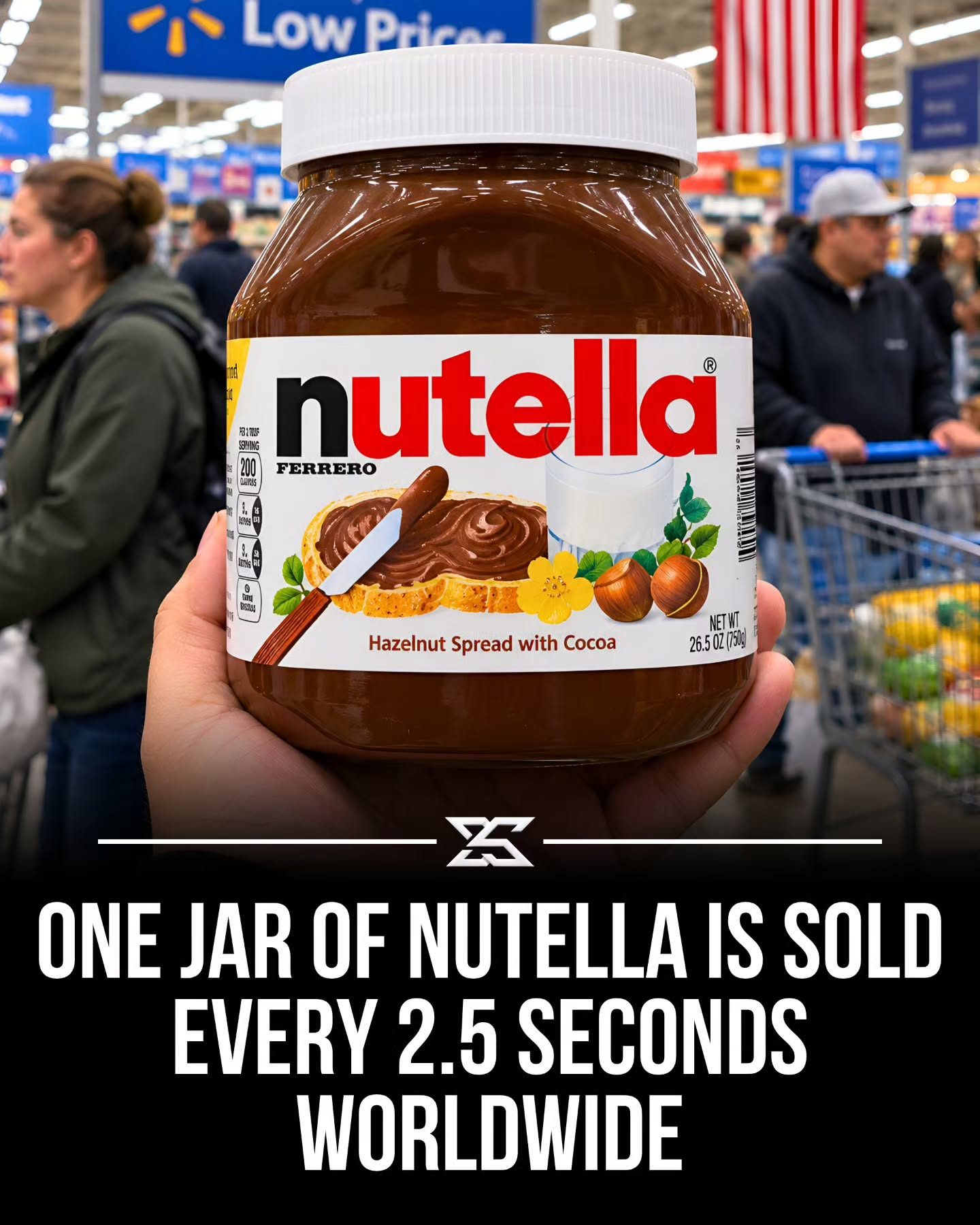
The Global Phenomenon of Nutella: A Look at the World's Favorite Hazelnut Spread
Nutella, the beloved hazelnut spread, is more than just a breakfast staple; it's a global phenomenon. With sales that span 160 countries, it's clear that people everywhere have a soft spot for this sweet, creamy spread. But what's behind the meteoric rise of Nutella?
Why This Matters
The popularity of Nutella isn't just about sales figures. It's a story of innovation, global reach, and a unique origin that connects to the historical hardships of post-war Italy. Understanding the journey of Nutella provides insights into the world of food manufacturing, consumer behavior, and the impact of a single product on the global market.
The History and Evolution of Nutella
The Birth of a Classic
The story of Nutella begins in Italy during the 1940s. After World War II, cocoa was scarce, and pastry chef Pietro Ferrero found a creative solution. He used hazelnuts to stretch out the limited cocoa supply, creating a solid loaf called Pasta Gianduja. This innovative use of hazelnuts was the precursor to the creamy Nutella spread we know today, which was introduced in 1951. The spread quickly gained popularity, becoming a household name in Italy and beyond.
Global Expansion
From its humble beginnings, Nutella has grown into a global phenomenon. Today, about 365,000 tons of Nutella are produced annually. To put that into perspective, if you lined up all the jars sold in a year, they would circle the Earth 1.8 times. This staggering production scale isn't just about quantity; it reflects the widespread love for Nutella across different cultures and continents.
Nutella's Impact on the Hazelnut Industry
A Major Consumer of Hazelnuts
Ferrero, the company behind Nutella, is a significant player in the hazelnut market. Each year, Ferrero buys about 25% of the world's hazelnut supply. This massive demand has a ripple effect on the hazelnut industry, influencing pricing, farming practices, and global trade. A single 750-gram jar of Nutella contains around 97 whole hazelnuts, showcasing the scale of the hazelnut supply required to meet global demand.
Environmental and Economic Impacts
The high demand for hazelnuts has both positive and negative impacts. On the positive side, it provides economic opportunities for farmers and contributes to the livelihoods of communities involved in hazelnut production. However, the intensive cultivation of hazelnuts can also lead to environmental concerns, such as deforestation and soil depletion, which are crucial considerations for sustainable production.
The Science Behind the Spread
Ingredients and Production
Nutella is made from a combination of cocoa, hazelnuts, and other ingredients. The production process involves roasting and grinding hazelnuts, blending them with cocoa, and adding sugar and other components to create the signature smooth texture. The result is a harmonious blend of flavors that has captivated taste buds worldwide.
Consistency and Quality
Maintaining the consistency and quality of Nutella is a key priority for Ferrero. The company uses advanced manufacturing techniques and quality control measures to ensure that every jar of Nutella meets the same high standards. This commitment to quality is reflected in the consistent taste and texture that consumers have come to expect.
Practical Tips for Enjoying Nutella
Versatile Uses
While Nutella is often associated with breakfast, its versatility extends far beyond the morning meal. It can be used in a variety of recipes, from baked goods to desserts and even savory dishes. Some creative ideas include spreading it on toast, mixing it into oatmeal, or using it as a base for cakes and pastries. The possibilities are endless.
Pairing with Other Ingredients
Pairing Nutella with other ingredients can enhance its flavor and create unique taste experiences. For example, combining it with fresh fruit, such as bananas or strawberries, adds a refreshing contrast to the sweet spread. It also pairs well with dairy products, making it a delicious addition to yogurt or ice cream.
Important Takeaways
Global Reach and Consumer Demand
The popularity of Nutella highlights the power of a product to transcend cultural and geographical boundaries. Its widespread appeal and consistent sales figures demonstrate the enduring appeal of a well-crafted, delicious spread. Understanding how Nutella has achieved this global reach can provide valuable insights into consumer behavior and market trends.
Sustainability and Innovation
As the demand for Nutella continues to grow, so does the need for sustainable practices in hazelnut production. Innovations in farming techniques, environmental conservation, and ethical sourcing are essential for maintaining the long-term viability of the hazelnut industry and the products that rely on it.
Conclusion
From its origins in post-war Italy to its current status as a global phenomenon, Nutella's journey is a testament to innovation, quality, and the enduring appeal of a simple, delicious spread. Its impact on the hazelnut industry and the lives of consumers around the world underscores the significance of this beloved product. As Nutella continues to be enjoyed in households worldwide, its legacy serves as a reminder of the potential for a single idea to captivate and unite people across the globe.
Watch the Reel
Questions readers ask
How many countries sell Nutella worldwide?
Nutella is sold in 160 countries around the world, making it an internationally recognized brand with a vast global reach. This extensive distribution is a testament to its widespread popularity and appeal.
What are the key ingredients in Nutella?
Nutella is primarily made from cocoa and hazelnuts, which give it its distinctive flavor. These ingredients are blended to create the smooth, sweet, and creamy texture that consumers worldwide enjoy.
Who manufactures Nutella and where is it based?
Nutella is manufactured by the Ferrero Group, an Italian company. The company was founded in 1946 after World War II, and Nutella was created in 1964. The Ferrero Group is headquartered in Alba, Italy.
How much Nutella is consumed globally each year?
Nutella's annual sales are substantial, with over 365,000 tons of the spread sold every year. This figure underlines its significance in the global food market and highlights its everyday use in households around the world.
What historical context surrounds the creation of Nutella?
Nutella was created in post-war Italy as a response to cocoa rationing. The spread was initially developed as a way to make the most of available cocoa with the addition of hazelnuts, which were abundant in the region. This historical context adds depth to its story and appeal.
How has Nutella maintained its popularity over the years?
Nutella's enduring popularity can be attributed to its unique taste, adaptability in various dishes, and effective marketing strategies. The brand has successfully positioned itself as a versatile food item that can be enjoyed in different ways, from breakfast to dessert.
What role does Nutella play in the global market?
Nutella's global impact is significant, as it not only drives sales for the Ferrero Group but also influences consumer behavior and food trends worldwide. Its widespread popularity has made it a staple in many households, contributing to its enduring presence in the international market.
Related deep dives
Similar reads based on topic and creator.




Recent articles
Fresh deep dives from the latest Reels we unpacked.




Comments
Be the first to comment.