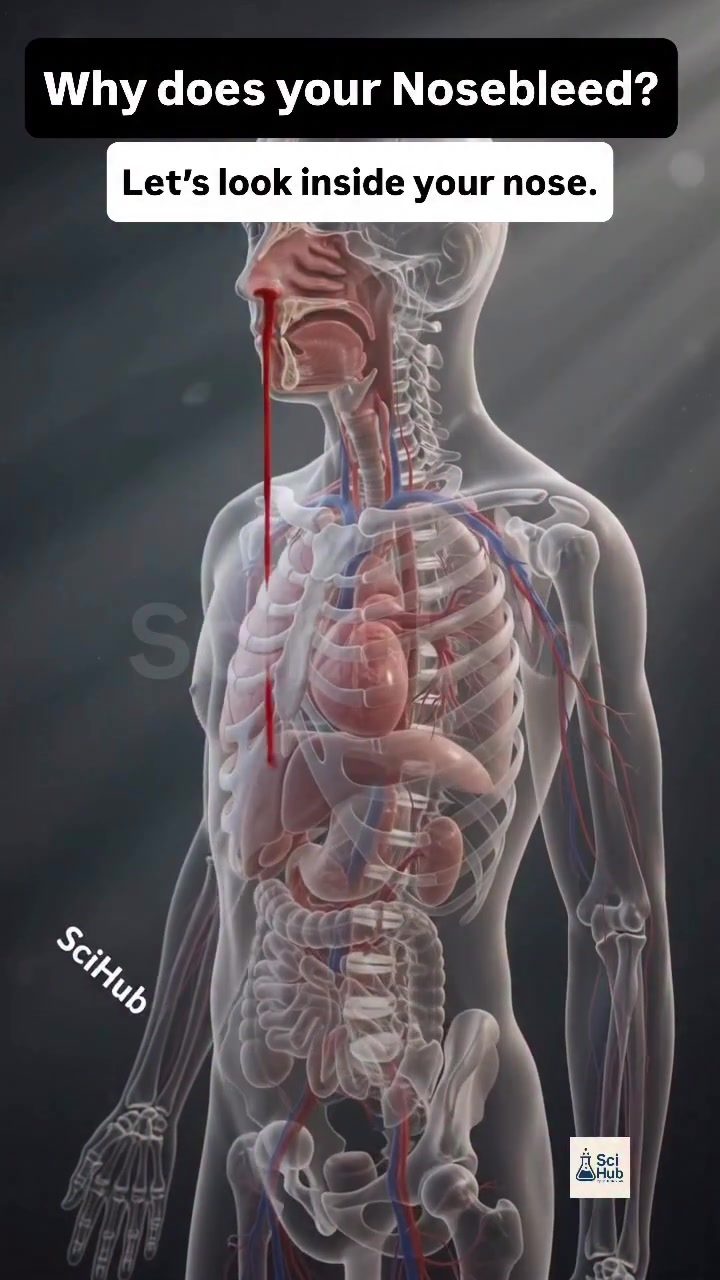
Nosebleeds: Causes and Quick Remedies
Nosebleeds, or epistaxis, are a common occurrence that can be alarming but are often harmless. Understanding the causes and knowing how to respond can help manage these episodes effectively.
Why This Matters
Nosebleeds can happen to anyone at any age, but they are more frequent in children and the elderly. They can be triggered by various factors, and knowing the underlying causes can help prevent them. While most nosebleeds are minor and stop on their own, recognizing when to seek medical attention is crucial.
Understanding Nosebleeds
The Anatomy of the Nose
The front part of the nose contains a delicate network of tiny blood vessels just beneath a thin lining. These blood vessels are particularly vulnerable to injury or irritation. The lining can become dry, irritated, or injured due to various factors:
- Dry Air: Low humidity can cause the nasal lining to dry out, making it more susceptible to bleeding.
- Nose Picking: Picking or scratching the inside of the nose can easily damage the blood vessels.
- Injury: A blow to the nose or inserting foreign objects can cause bleeding.
- Allergies or Infections: Conditions that cause sneezing or rubbing the nose can lead to nosebleeds.
- Blood-Thinning Medications: Certain medications can affect blood clotting, making nosebleeds more likely.
When this delicate lining is compromised, the tiny blood vessels can tear, leading to bleeding from the nostril. Thankfully, the body responds quickly to repair the damage. Tiny platelets gather at the tear, forming a clot that seals the leak and stops the bleeding.
Types of Nosebleeds
There are two main types of nosebleeds:
- Anterior Nosebleeds: These occur in the front part of the nose and are the most common. They are usually easy to stop and are generally not serious.
- Posterior Nosebleeds: These occur deeper in the nasal cavity and are less common. They can be more severe and may require medical attention.
Quick and Effective Remedies
Most nosebleeds can be managed at home with simple first-aid techniques. Here are some practical tips:
Immediate Steps to Stop a Nosebleed
- Stay Calm: Panic can increase blood pressure and make the bleeding worse.
- Lean Slightly Forward: This position helps prevent blood from flowing down the throat, which can cause nausea or vomiting.
- Gently Pinch the Nose: Use your thumb and index finger to gently pinch the soft part of your nose, just below the bony bridge. Apply firm but gentle pressure for about 10-15 minutes. Avoid releasing the pressure to check if the bleeding has stopped, as this can disrupt the clot formation.
- Apply a Cold Compress: Placing an ice pack or a bag of frozen vegetables on the bridge of the nose can help constrict the blood vessels and reduce bleeding.
- Avoid Blowing or Picking the Nose: These actions can disrupt the clot and restart the bleeding.
When to Seek Medical Attention
While most nosebleeds are harmless, there are situations where medical attention is necessary:
- Heavy Bleeding: If the bleeding is severe and soaks through more than one tissue or cloth within 15 minutes.
- Prolonged Bleeding: If the bleeding continues for more than 20 minutes despite applying pressure.
- Frequent Nosebleeds: If you experience nosebleeds frequently, it may indicate an underlying condition that requires medical evaluation.
- Accompanying Symptoms: If the nosebleed is accompanied by other symptoms such as dizziness, fever, or difficulty breathing, seek immediate medical attention.
Important Takeaways
- Nosebleeds are often caused by dry air, nose picking, or injury to the delicate blood vessels in the nose.
- Most nosebleeds can be stopped by gently pinching the nose and leaning slightly forward.
- Seek medical attention if the bleeding is heavy, lasts longer than 20 minutes, or is accompanied by other symptoms.
Conclusion
Nosebleeds, while common, can be managed effectively with the right knowledge and techniques. Understanding the anatomy of the nose, the causes of nosebleeds, and how to respond can help you handle these episodes with confidence. By staying calm, applying pressure, and seeking medical attention when necessary, you can ensure that nosebleeds are a minor inconvenience rather than a cause for concern.
Watch the Reel
Questions readers ask
What are the most common causes of nosebleeds?
The most common causes of nosebleeds include dry air, which can irritate and dry out the nasal lining, nose picking, which can damage the delicate blood vessels, injury or trauma to the nose, allergies that lead to frequent nose blowing, and certain medications that can interfere with blood clotting.
How can I stop a nosebleed at home?
To stop a nosebleed at home, first remain calm and sit upright. Lean slightly forward and pinch the soft part of your nose (just below the bony bridge) for 10-15 minutes. Apply an ice pack to the bridge of your nose to help constrict blood vessels. Avoid blowing your nose or lying down for at least 12 hours. If the bleeding continues, seek medical attention.
Are nosebleeds more common in certain age groups?
Yes, nosebleeds are more common in children, particularly between the ages of 2 and 10, and in the elderly. This is often due to frequent nose picking in children and more fragile blood vessels in the elderly.
Can allergies cause nosebleeds and how?
Yes, allergies can cause nosebleeds. Allergic reactions can lead to inflammation and irritation in the nasal passages, causing increased mucus and frequent blowing of the nose. This can damage the delicate blood vessels in the nose, leading to a nosebleed.
What should I do if my child has a nosebleed?
If your child has a nosebleed, stay calm and reassure them. Have them sit upright and lean slightly forward. Gently pinch the soft part of their nose for 10-15 minutes. Apply an ice pack to the bridge of their nose if possible. If the bleeding doesn't stop, seek medical attention. Teach children not to pick their nose or blow it forcefully to prevent nosebleeds.
Are nosebleeds ever a sign of a serious health condition?
Most nosebleeds are harmless, but frequent or severe nosebleeds can sometimes indicate an underlying health issue. If nosebleeds are accompanied by dizziness, excessive fatigue, or easy bruising, it may be a sign of a blood clotting disorder or another medical condition. Consult a healthcare provider if nosebleeds are recurrent or severe.
How can I prevent nosebleeds due to dry air?
To prevent nosebleeds due to dry air, use a humidifier in your home, especially in the bedroom. Stay hydrated by drinking plenty of fluids. Avoid using nasal sprays that can dry out the nasal passages. If you live in a dry climate, consider using a saline nasal spray to keep the inside of your nose moist.
Related deep dives
Similar reads based on topic and creator.

Recent articles
Fresh deep dives from the latest Reels we unpacked.




Comments
Be the first to comment.