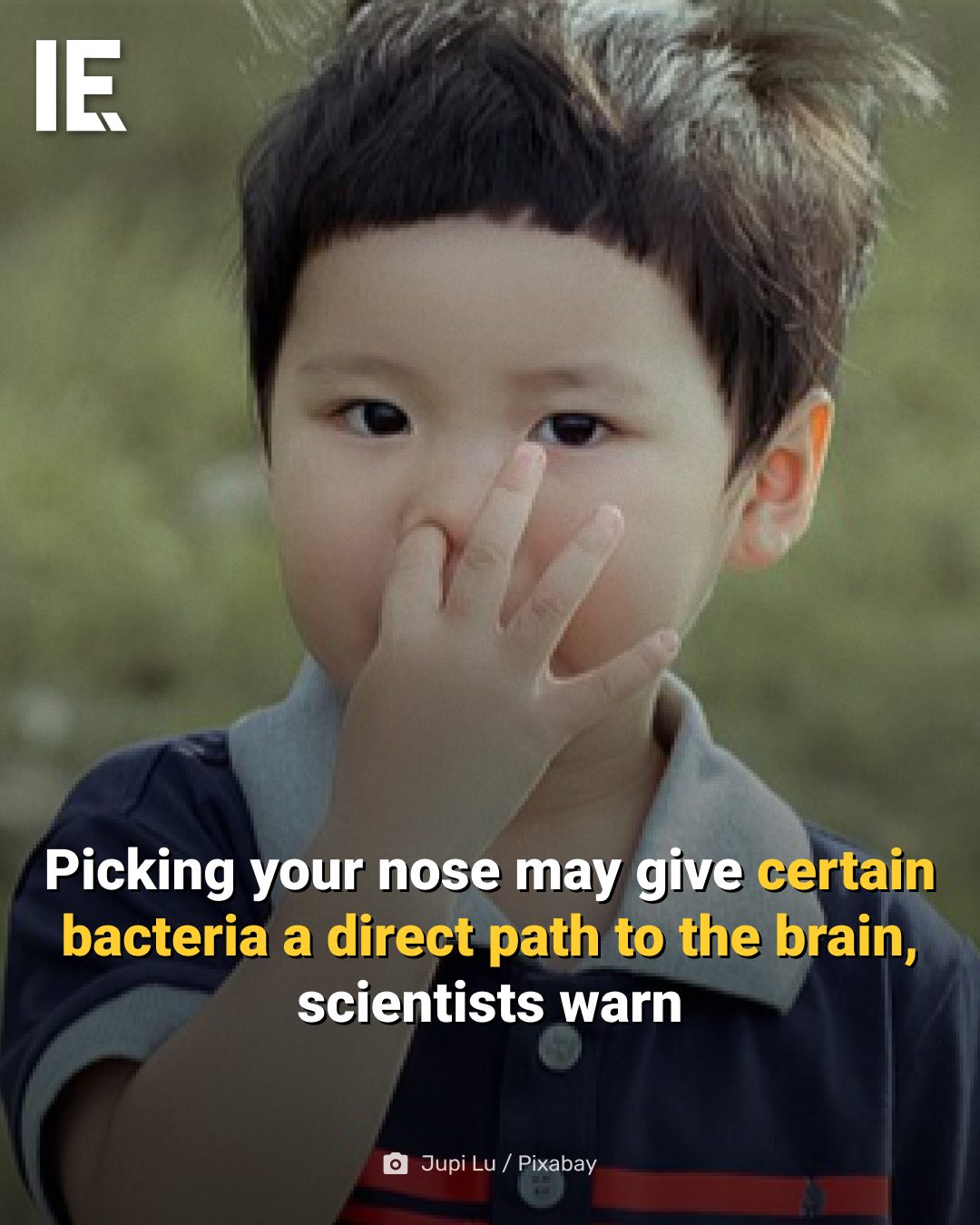
Nose Picking and Brain Health: Uncovering Potential Risks
Nose picking, a common habit among people of all ages, often elicits a mix of amusement and disapproval. Yet, recent scientific findings have shed light on a more serious aspect of this habit: its potential impact on brain health. A study published in Scientific Reports has revealed that nose picking could provide certain bacteria with a direct path to the brain, raising concerns about potential health risks.
Context / Why this matters
The study focused on a bacterium known as Chlamydia pneumoniae, which is capable of causing pneumonia in humans. This bacterium has been found in the majority of human brains affected by late-onset dementia. The researchers discovered that in mice, Chlamydia pneumoniae can travel up the olfactory nerve directly into the brain within 24 to 72 hours. This finding is particularly alarming because the olfactory nerve connects the nasal cavity to the brain, potentially offering a direct route for bacteria to enter the central nervous system.
The Pathway to the Brain
The olfactory nerve, which is responsible for the sense of smell, provides a direct connection between the nasal cavity and the brain. This anatomical feature means that any bacteria present in the nasal cavity can potentially travel up the olfactory nerve and into the brain. The study found that when nasal tissue is damaged, either through nose picking or plucking nose hairs, the infection can become more severe. In mice with damaged nasal tissue, the infection worsened, and the mouse brains responded by depositing more amyloid-beta protein.
Amyloid-Beta Protein and Alzheimer's Disease
Amyloid-beta protein is a key component in the development of Alzheimer's disease. In the brains of individuals affected by Alzheimer's, amyloid-beta protein forms plaques that are believed to contribute to the progression of the disease. The study found that when Chlamydia pneumoniae entered the brain, it triggered the deposition of more amyloid-beta protein, suggesting a potential link between nasal bacteria and Alzheimer's disease.
Understanding the Implications for Humans
While the study provides compelling evidence in mice, it is essential to note that the researchers emphasize the findings are specific to mice, not humans. The human brain and its immune response to infections may differ significantly from those of a mouse. Additionally, the exact cause of Alzheimer's disease in humans is not yet confirmed, and amyloid-beta plaques are just one piece of a complex puzzle.
Main discussion
Nose Picking: A Common Habit with Potential Consequences
Nose picking is a widespread habit, often seen as a minor annoyance rather than a significant health risk. However, the study's findings suggest that this habit could have more serious consequences than previously thought. By damaging the nasal tissue, nose picking could reduce the protective barrier between the outside world and the brain, potentially allowing bacteria to enter and cause harm.
Bacteria and the Olfactory Nerve
The olfactory nerve's role in connecting the nasal cavity to the brain makes it a crucial pathway for potential infections. The study highlights that Chlamydia pneumoniae can travel up this nerve and enter the brain, where it can cause inflammation and trigger the deposition of amyloid-beta protein. This process raises concerns about the potential long-term effects on brain health, particularly in relation to neurodegenerative diseases like Alzheimer's.
The Role of Nasal Tissue in Brain Protection
The nasal tissue acts as a barrier, protecting the brain from external pathogens. When this tissue is damaged, either through nose picking or other means, it becomes more susceptible to bacterial invasion. The study found that in mice with damaged nasal tissue, the infection was more severe, and the brain responded by depositing more amyloid-beta protein. This suggests that maintaining the integrity of the nasal tissue is crucial for protecting the brain from infections.
Preventive Measures and Further Research
The study recommends further human studies to investigate the same pathway and the potential risks associated with nose picking. Until more research is conducted, it is advisable to discourage nose picking, especially in children, to minimize the risk of bacterial infections reaching the brain.
Practical tips
- Avoid picking your nose and encourage others, especially children, to break this habit.
- Keep your nasal tissue healthy by avoiding actions that can damage it, such as nose picking, and by using gentle nasal hygiene practices.
- Wash hands regularly to prevent the spread of bacteria into the nasal cavity.
- Maintain good overall health to support a robust immune system.
Important takeaways
- Nose picking could provide certain bacteria with a direct path to the brain via the olfactory nerve.
- The study found that Chlamydia pneumoniae can travel up the olfactory nerve directly into the brain in mice, within 24 to 72 hours.
- Damaging nasal tissue through nose picking or plucking nose hairs could reduce the protective barrier between the outside world and the brain.
- The infection triggers the deposition of amyloid-beta protein in mouse brains, a protein associated with Alzheimer's disease.
- Further human studies are recommended to investigate the same pathway and potential risks.
Conclusion
The potential link between nose picking and brain health underscores the importance of maintaining good nasal hygiene. While the study's findings are specific to mice, they raise important questions about the potential risks associated with this common habit. By understanding the potential consequences and taking preventive measures, individuals can safeguard their brain health and reduce the risk of bacterial infections.
Watch the Reel
Questions readers ask
How does nose picking pose a risk to brain health?
Nose picking can introduce bacteria, such as *Chlamydia pneumoniae*, into the nasal passages. These bacteria can then potentially travel through the olfactory nerve, providing a direct route to the brain, which may contribute to the development of conditions like Alzheimer's disease.
Which bacterium is linked to brain health risks from nose picking?
The bacterium *Chlamydia pneumoniae* has been identified as a potential risk. This bacterium can cause pneumonia and has been found in the brains of individuals with late-onset dementia. Research suggests it may travel from the nose to the brain via the olfactory nerve.
What specific brain health conditions are associated with nose picking?
Nose picking has been linked to conditions such as Alzheimer's. This is due to the potential of bacteria entering the brain through the olfactory nerve, which may contribute to the formation of amyloid plaques and other harmful processes in the brain.
Can nose picking lead to cognitive health issues?
While more research is needed, there is evidence to suggest that nose picking may indirectly impact cognitive health. By allowing bacteria to enter the brain, it could potentially contribute to cognitive decline and conditions like dementia over time.
What are the most significant risks of nose picking related to brain health?
The most significant risk is the potential for bacteria to enter the brain through the olfactory nerve, which could lead to inflammation and the development of conditions like Alzheimer's. This risk underscores the importance of breaking the nose-picking habit.
What does research on mice reveal about the connection between nose picking and brain health?
Studies on mice have shown that *Chlamydia pneumoniae* can travel from the nasal cavity to the brain, highlighting a potential pathway for bacteria to affect brain health. This research provides valuable insights into the mechanisms that could be at play in human brains as well.
What steps can be taken to mitigate the brain health risks associated with nose picking?
To mitigate these risks, it is important to break the nose-picking habit. Regular hand-washing, keeping nails short, and avoiding touching the nose can help prevent bacteria from entering the nasal passages and potentially reaching the brain.
Related deep dives
Similar reads based on topic and creator.

Recent articles
Fresh deep dives from the latest Reels we unpacked.




Comments
Be the first to comment.