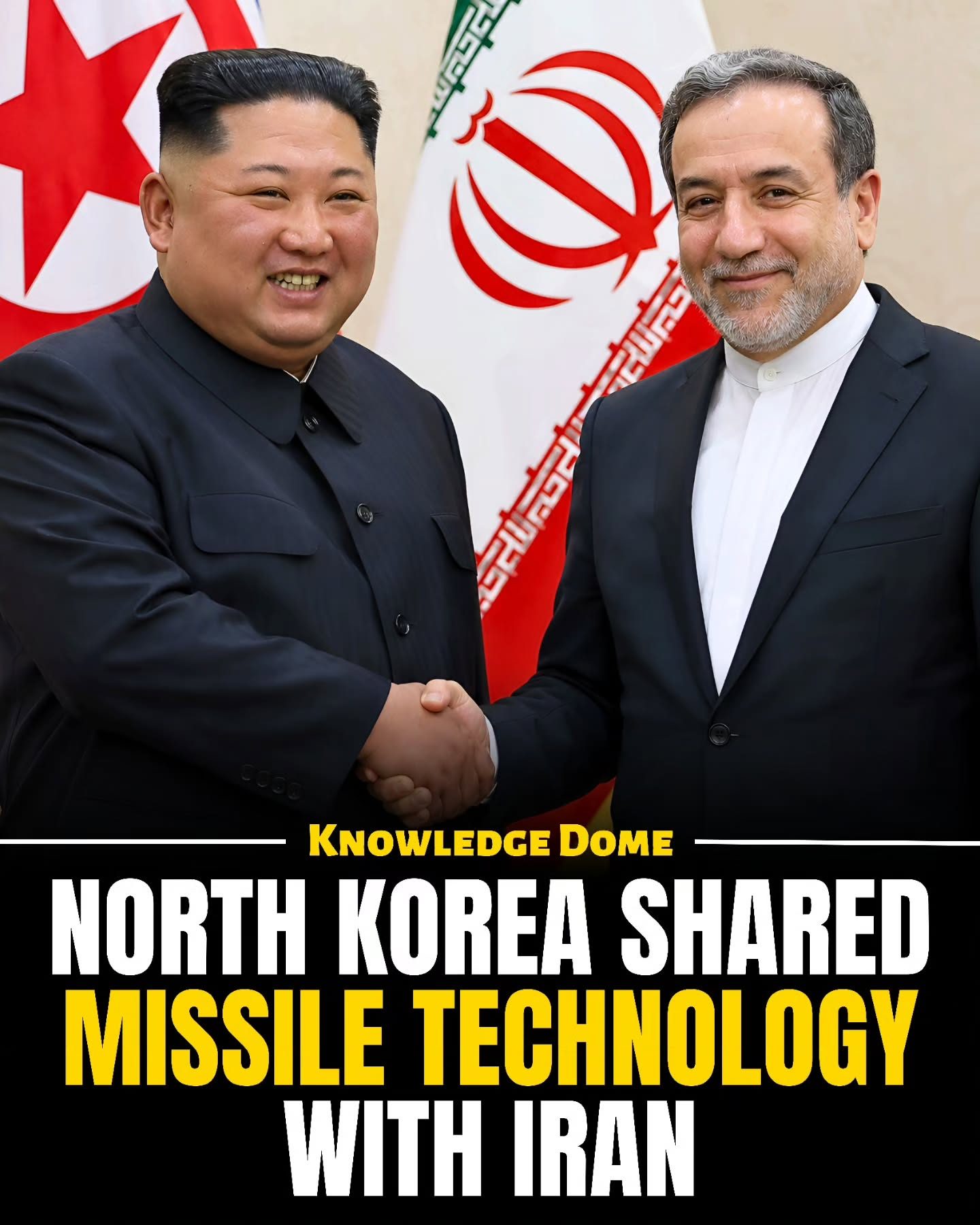
North Korea and Iran: A Decades-Long Partnership in Missile Technology
Over the past four decades, North Korea and Iran have forged a robust partnership centered around missile technology. This collaboration, driven by mutual interests and the need to circumvent international sanctions, has significantly advanced the capabilities of both nations. The relationship dates back to the 1980s and has evolved through various stages, involving the exchange of missile parts, designs, and engineering expertise.
Context / Why This Matters
This partnership is a critical aspect of global security dynamics. Both countries have faced severe economic sanctions and international isolation, which has compelled them to seek alternative means to develop their military capabilities. The exchange of missile technology has allowed each country to enhance its defense systems, posing a significant concern for global security.
Understanding the depth and scope of this alliance is essential for grasping the broader geopolitical landscape and the potential implications for regional and international stability. It also sheds light on how nations navigate the challenges of sanctions and isolation.
Overview of the Partnership
The origins of this partnership can be traced back to the Iran-Iraq War in the 1980s. During this conflict, Iran purchased approximately 100 Scud missiles from North Korea. The acquisition was more than just a transaction; it marked the beginning of a collaborative effort. North Korean experts provided training and technical support, enabling Iran to understand and eventually replicate the missile technology. This collaboration led to the development of upgraded missile models, including the Qiam missile.
Evolution Through the Decades
The 1990s and 2000s saw a significant deepening of the partnership. Iran received more advanced missile systems from North Korea, such as the Nodong and Musudan missiles. North Korean engineers played a pivotal role in constructing production facilities near Isfahan, Iran, which allowed Iran to independently manufacture the Shahab-3 missile.
Advanced Propulsion and Joint Production
Reports suggest that the cooperation did not stop at missile sales. North Korea is believed to have shared advanced rocket boosters and propulsion systems with Iran, accelerating Iran's progress toward developing long-range missiles. Beyond individual sales, the two countries are suspected to have jointly developed production facilities and underground defense systems. These developments have further strengthened their military capabilities and raised global security concerns.
Main Discussion
Strategic Importance of the Partnership
For both countries, the partnership serves strategic purposes. North Korea, facing stringent international sanctions, benefits from the resources and space provided by Iran to test and improve its missile technology. Conversely, Iran, also under international scrutiny, gains access to advanced missile designs and engineering expertise, which it might not otherwise obtain.
Technological Exchange and Capability Enhancement
The exchange of technology has been reciprocal. North Korea has shared missile parts, designs, and engineering expertise, while Iran has provided resources, space, and support for testing and development. This mutual exchange has enabled both nations to enhance their missile capabilities significantly.
Impact on Regional and Global Security
The missile technology collaboration between North Korea and Iran has far-reaching implications for regional and global security. The development of advanced missile systems poses a threat to neighboring countries and has the potential to destabilize regional security. Additionally, the possibility of joint production facilities and underground defense systems raises concerns about escalating military capabilities and potential conflicts.
Practical Tips
For policymakers and security analysts, understanding the nuances of this partnership can inform more effective strategies to address the challenges posed by North Korean and Iranian missile capabilities. Key points to consider include:
Monitoring and Intelligence
Enhanced monitoring and intelligence gathering are crucial. Keeping a close eye on the activities and developments in both countries can provide early warnings and help in devising countermeasures.
Diplomatic Efforts
Diplomatic efforts should focus on addressing the root causes of the partnership. Engaging in talks with North Korea and Iran, while maintaining pressure through sanctions, can help in curbing the technological exchange.
Regional Cooperation
Strengthening regional cooperation and alliances can deter potential conflicts. Collaborative initiatives among regional players can help in maintaining stability and addressing security concerns.
Important Takeaways
The partnership between North Korea and Iran in missile technology is a complex and evolving issue. Key takeaways include:
- The collaboration dates back to the 1980s and has significantly advanced military capabilities in both countries.
- The exchange involves missile parts, designs, and engineering expertise.
- The partnership poses significant challenges for global security and regional stability.
- Enhanced monitoring, diplomatic efforts, and regional cooperation are essential to address these challenges.
Conclusion
The decades-long partnership between North Korea and Iran in missile technology is a testament to their strategic alliance and mutual interests. While the collaboration has enhanced their military capabilities, it has also raised significant concerns for global security. Understanding the dynamics of this partnership is crucial for policymakers and security analysts as they work towards addressing the challenges posed by these advanced missile capabilities.
Watch the Reel
Questions readers ask
How did the Iran-Iraq War influence North Korea and Iran's missile alliance?
The Iran-Iraq War served as a catalyst for North Korea and Iran's missile alliance. During this conflict, Iran sought advanced military capabilities to counter Iraq's missile arsenal. The war highlighted the strategic importance of missile technology, which led Iran to seek assistance from North Korea, initiating a long-term partnership.
What types of resources have North Korea and Iran exchanged in their alliance?
North Korea and Iran have exchanged a variety of resources, including missile parts, designs, and technical expertise. These exchanges have enabled both countries to enhance their military capabilities, particularly in developing long-range and ballistic missiles, despite facing stringent international sanctions.
What are the primary motivations behind North Korea and Iran's missile alliance?
The primary motivations include mutual interests in advancing military capabilities, the need to circumvent international sanctions, and shared geopolitical goals. Both nations have used their partnership to bolster their defenses and project power, despite facing economic and diplomatic isolation from the global community.
How has the North Korea and Iran missile alliance impacted global security?
The alliance has posed significant challenges to global security by enhancing the missile capabilities of both nations. This has raised concerns about regional stability, particularly in the Middle East and East Asia, and has complicated efforts to control the proliferation of nuclear and ballistic missile technologies.
What role do international sanctions play in North Korea and Iran's missile cooperation?
International sanctions have been a major driver of the missile cooperation between North Korea and Iran. By limiting access to advanced technologies and financial resources, sanctions have pushed both countries to collaborate and share their respective expertise to circumvent international restrictions and develop military capabilities independently.
How has the North Korea and Iran missile alliance evolved over the past four decades?
The alliance has evolved through various stages, beginning with the exchange of basic missile components and designs in the 1980s to more advanced cooperation in recent years, including the transfer of expertise and the development of sophisticated missile systems. This evolution has been marked by increasing complexity and sophistication in missile technology.
What specific missile technologies have North Korea and Iran developed through their alliance?
Through their alliance, North Korea and Iran have developed a range of missile technologies, including short-range ballistic missiles (SRBMs), medium-range ballistic missiles (MRBMs), and long-range ballistic missiles (LRBMs). These technologies have been integrated into their respective military arsenals, significantly enhancing their offensive and defensive capabilities.
Recent articles
Fresh deep dives from the latest Reels we unpacked.




Comments
Be the first to comment.