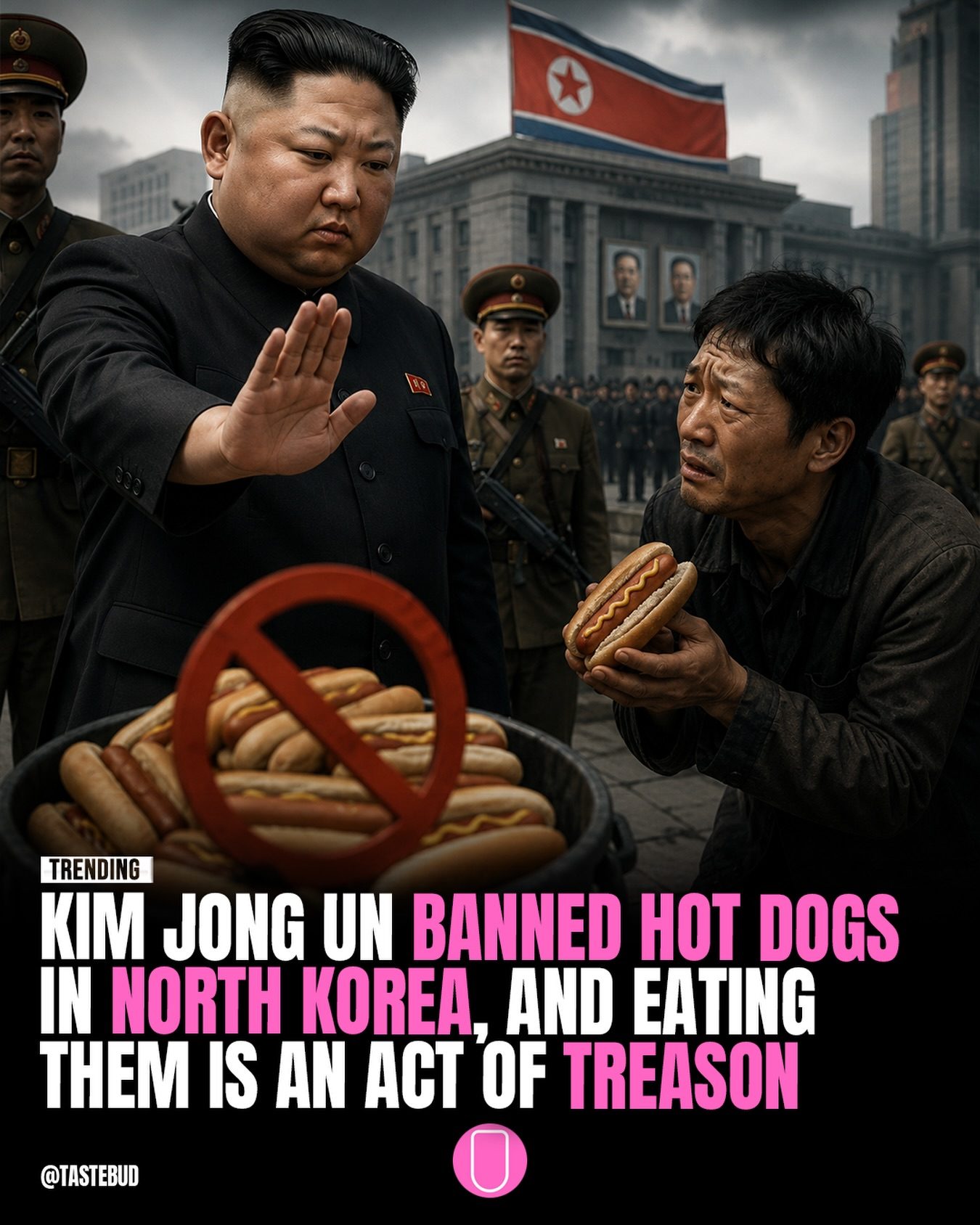
Hot dogs, a staple in many countries, have become a controversial topic in North Korea. Kim Jong Un has reportedly implemented a ban on hot dogs, labeling them as symbols of Western culture. This move is part of a larger effort to eradicate foreign influences from daily life in North Korea, including food, slang, and trends. Even the term "hot dog" is being replaced with local alternatives, underscoring the severity of the cultural control within the country.
Why This Matters
North Korea's ban on hot dogs is more than just a dietary restriction; it reflects the country's strict approach to cultural and social control. Understanding this ban provides insight into the broader dynamics of North Korean society and its government's strategies for maintaining control over its population.
The Ban and Its Implications
The hot dog ban is part of a larger initiative to purge foreign influences from North Korea. This initiative encompasses not just food, but also language and trends. The term "hot dog" itself is being replaced with local alternatives, illustrating the extent to which the government is willing to go to maintain its grip on cultural norms.
Cultural Control in North Korea
North Korea's government has long been known for its tight control over various aspects of life, including cultural activities. The ban on hot dogs is a clear example of how the government uses food as a tool to enforce cultural purity. This approach ensures that the population adheres to state-approved norms, reducing the influence of Western culture.
Symbolism of Food in North Korea
Food in North Korea is not just about sustenance; it carries significant symbolic weight. The ban on hot dogs shows how certain foods can be perceived as threats to national identity. By banning hot dogs, the government is sending a message that Western influences are unwanted and will not be tolerated.
The Consequences of the Ban
The consequences of the hot dog ban extend beyond the loss of a food item. It highlights the seriousness with which North Korea views foreign influences and the potential repercussions for those who defy these bans. The satirical image of Kim Jong Un eating a hot dog, surrounded by soldiers and a backdrop of North Korean architecture, underscores the severity of the ban. The text overlay stating that eating hot dogs is considered an act of treason emphasizes the potential legal and social consequences for defying the ban.
Implications for Daily Life
For residents of North Korea, the ban on hot dogs means more than just avoiding a particular food item. It requires a constant vigilance to ensure that one does not inadvertently consume or refer to anything deemed foreign. This vigilance extends to language, as even the term "hot dog" is being replaced with local alternatives.
Legal and Social Consequences
The legal and social consequences of defying the ban can be severe. The text overlay in the visual summary clearly states that eating hot dogs is considered an act of treason. This underscores the potential legal repercussions for those who do not comply with the ban. Socially, it also creates a climate of suspicion and self-censorship, as individuals must be cautious about their daily choices to avoid any perceived associations with Western culture.
Practical Tips
For those interested in the dynamics of North Korea, understanding the ban on hot dogs and its implications can provide valuable insights. Here are some practical tips for gaining a deeper understanding of this issue:
Stay Informed
Keeping up with the latest developments in North Korea can provide a better understanding of the government's policies and their impact on daily life. Following reliable news sources and experts on North Korea can offer valuable perspectives on how these policies are implemented and enforced.
Cultural Sensitivity
When discussing North Korea, it's important to be sensitive to the cultural and political nuances of the country. Recognizing that food and language are not just everyday elements but also tools of control can help in understanding the broader context of the hot dog ban.
Important Takeaways
The ban on hot dogs in North Korea highlights several key points about the country's approach to cultural control. Here are the most important takeaways:
- Food is a powerful tool for cultural control in North Korea.
- The government's efforts to eradicate foreign influences extend to food, language, and trends.
- The ban on hot dogs is part of a broader initiative to maintain cultural purity.
- The consequences of defying the ban can be severe, both legally and socially.
Conclusion
The hot dog ban in North Korea is a stark reminder of the country's strict approach to cultural control. By understanding the implications of this ban, one can gain deeper insights into the broader dynamics of North Korean society. Whether through food, language, or trends, the government's efforts to maintain control over cultural influences are a central part of its strategy for governing the population.
Watch the Reel
Questions readers ask
Why did North Korea ban hot dogs?
North Korea's ban on hot dogs is primarily driven by the government's desire to eliminate Western influences. The hot dog's association with foreign culture goes directly against North Korea's efforts to maintain a strong national identity and control over cultural narratives.
What are the implications of the hot dog ban in North Korea?
The hot dog ban in North Korea is a clear example of the government's strict social control. It reflects a broader effort to regulate daily life and purge foreign influences, including food, language, and trends. By enforcing such bans, the government aims to reinforce state-approved norms and maintain a tight grip on society.
How does the hot dog ban affect North Koreans?
For North Koreans, the ban on hot dogs means more than just a change in eating habits. It impacts their access to certain foods and influences their daily language and interactions. The ban serves as a reminder of the state's control over even the smallest aspects of life and encourages compliance with state-approved behaviors and lifestyles.
Are there other foreign foods banned in North Korea?
Yes, the hot dog ban is part of a larger trend of North Korean food restrictions. The government has implemented bans on various foreign foods and slang to minimize the influence of outside cultures. This includes not just specific foods but also the terminology associated with them, ensuring that all aspects of daily life adhere to state-approved guidelines.
What happens if someone is caught violating the hot dog ban in North Korea?
Violating the hot dog ban, like other North Korean food restrictions, can result in severe consequences. Those caught may face penalties that could be categorized as treason acts, which typically involve harsh punishments. The regime takes such infractions seriously as they are seen as challenges to the state's authority and control.
Why is the terminology associated with hot dogs being replaced in North Korea?
The replacement of the term 'hot dog' with local alternatives underscores the severity of North Korea's cultural control. By eradicating foreign terminology, the government aims to eliminate any remnants of Western influence and ensure that the population adheres strictly to state-approved language and norms. This linguistic control is a key aspect of the broader social control mechanisms in North Korea.
How does the hot dog ban reflect North Korea's broader social control strategies?
The hot dog ban is a microcosm of North Korea's extensive social control strategies. It shows how the government tightly regulates various aspects of daily life, from food to language, to maintain a strong grip on society. By controlling even seemingly innocuous elements like food choices, the regime reinforces its authority and ensures that the population remains aligned with state-approved norms and behaviors.
Related deep dives
Similar reads based on topic and creator.




Recent articles
Fresh deep dives from the latest Reels we unpacked.




Comments
Be the first to comment.