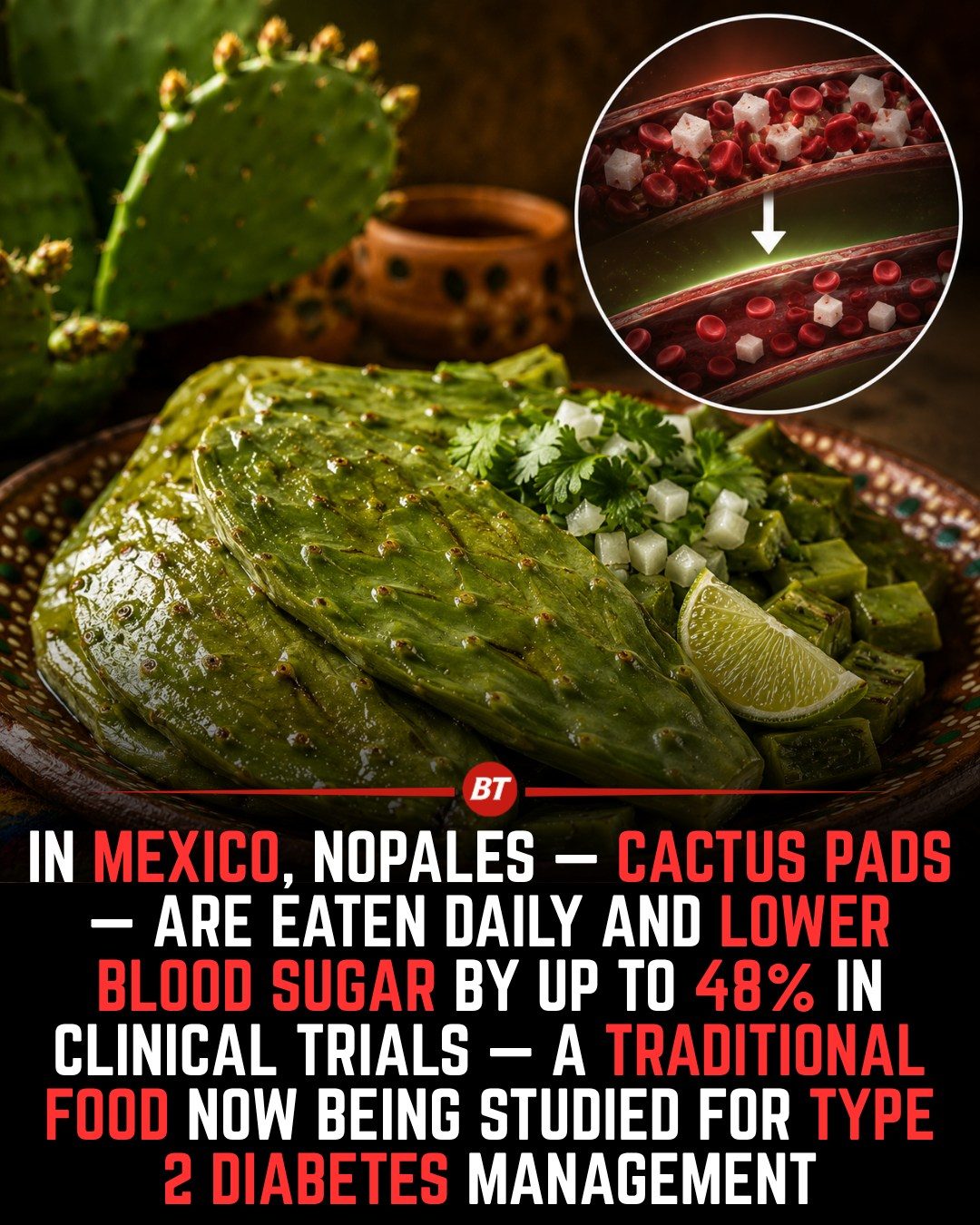
Nopales Cactus Pads: A Traditional Mexican Food with Modern Health Benefits
Nopales, the edible pads of the prickly pear cactus, are a staple in Mexican cuisine and a powerhouse of nutrition. These versatile cactus pads are not only delicious but also offer a range of health benefits, particularly in managing blood sugar levels and supporting overall metabolic health.
Why This Matters
In Mexico, nopales are eaten daily and are becoming known for their potential to lower blood sugar levels. Clinical trials have shown that consuming nopales can reduce post-meal glucose spikes in people with impaired glucose tolerance or type 2 diabetes by up to 48%. This makes nopales a valuable addition to a diet aimed at managing blood sugar and promoting overall health.
The Nutritional Profile
Nopales are packed with essential nutrients that contribute to their health benefits. They are rich in:
- Soluble Fiber: This type of fiber slows down the absorption of carbohydrates, helping to maintain steady blood sugar levels and promoting a healthier metabolism.
- Antioxidants: These compounds help fight inflammation and oxidative stress, which are linked to various chronic diseases.
- Magnesium: This mineral is crucial for many bodily functions, including blood sugar regulation and nerve function.
- Phenols and Polyphenols: These compounds have anti-inflammatory properties and may help lower cholesterol levels and support gut health.
Cactus Pads and Blood Sugar Regulation
Several clinical trials have explored the potential of nopales to regulate blood sugar levels. These studies suggest that consuming cactus pads with meals can significantly reduce post-meal glucose spikes. The high fiber content in nopales is believed to be the key factor in this effect, as it slows down carbohydrate absorption and supports a steadier release of glucose into the bloodstream.
Other Health Benefits
Beyond their impact on blood sugar, nopales offer a range of other health benefits:
- Gut Health: The soluble fiber in nopales helps promote a healthy gut microbiome, which is essential for overall digestive health and immune function.
- Cholesterol Levels: The antioxidants and polyphenols in nopales may help lower cholesterol levels, reducing the risk of heart disease.
- Weight Management: Nopales are low in calories and high in fiber, making them an excellent addition to a weight management plan.
- Overall Metabolic Function: The combination of fiber, antioxidants, and other nutrients in nopales supports overall metabolic health, making them a valuable addition to a balanced diet.
Practical Tips for Incorporating Nopales
Nopales can be incorporated into a variety of dishes, making them a versatile addition to any meal plan. Here are some practical tips for adding nopales to your diet:
Preparation Tips
- Selecting Fresh Nopales: Look for firm, bright green pads with no signs of wilting or discoloration. The smaller, younger pads are generally more tender and have a milder flavor.
- Cleaning: Thoroughly rinse the nopales under cold water to remove any spines or residue. You can also carefully peel off the outer layer if it's prickly.
- Preparation Methods: Nopales can be grilled, sautéed, or steamed. They can be eaten raw in salads or cooked in various dishes.
Recipes to Try
Nopales are a versatile ingredient that can be used in many different recipes. Here are a few ideas to get you started:
- Grilled Nopales: Brush the pads with a bit of oil, salt, and pepper, and grill them until tender. Serve them as a side dish or add them to tacos.
- Nopales Salad: Thinly slice the nopales and mix them with tomatoes, onions, cilantro, and a lime vinaigrette for a refreshing salad.
- Nopales and Eggs: Sauté nopales and mix them with scrambled eggs for a protein-packed breakfast. Add some avocado and salsa for extra flavor.
- Nopales Tacos: Cook nopales with onions and garlic, season with spices like cumin and chili powder, and serve in corn tortillas with your favorite toppings.
Important Takeaways
- Nutrient-Dense: Nopales are rich in soluble fiber, antioxidants, magnesium, and polyphenols, making them a nutrient-dense vegetable.
- Blood Sugar Support: Clinical trials suggest that consuming nopales with meals can significantly reduce post-meal glucose spikes, aiding in blood sugar regulation.
- Versatile Ingredient: Nopales can be incorporated into a variety of dishes, from salads and tacos to eggs and stews, making them a versatile addition to any meal plan.
Conclusion
Nopales, the edible pads of the prickly pear cactus, offer a range of health benefits, particularly in managing blood sugar levels. Their rich nutritional profile, including soluble fiber, antioxidants, and magnesium, makes them a valuable addition to a balanced diet. Whether you're looking to support blood sugar regulation, improve gut health, or simply add a nutrient-dense vegetable to your meals, nopales are a delicious and versatile choice. By incorporating nopales into your diet, you can enjoy the traditional flavors of Mexican cuisine while reaping the modern health benefits of this remarkable plant.
Watch the Reel
Questions readers ask
What are nopales and how are they typically prepared in Mexican cuisine?
Nopales are the edible pads of the prickly pear cactus, commonly used in Mexican dishes. Before cooking, the pads are typically cleaned and the spines are removed. They can be prepared in various ways, such as sautéed, boiled, or pickled, and are often used in salads, soups, and stews.
How do nopales help in managing blood sugar levels?
Nopales have been shown in clinical studies to reduce post-meal glucose spikes, which is especially beneficial for people with impaired glucose tolerance or type 2 diabetes. This effect can help regulate blood sugar levels and support overall metabolic health.
What are the key nutritional components of nopales?
Nopales are rich in fiber, which aids in digestion and helps control blood sugar spikes. They are also packed with antioxidants, which can help protect cells from damage, and contain essential minerals like calcium, magnesium, and potassium.
Are there specific studies that support the benefits of nopales for blood sugar control?
Yes, several clinical trials have demonstrated that consuming nopales can significantly lower post-meal glucose spikes. Some studies have shown reductions of up to 48% in subjects with impaired glucose tolerance or type 2 diabetes, highlighting their potential in managing blood sugar levels.
Can nopales be incorporated into a daily diet for general health benefits?
Absolutely. Nopales are a versatile ingredient in Mexican cuisine and can be easily incorporated into various meals. Adding nopales to your daily diet can provide a range of health benefits, including improved blood sugar control and enhanced overall metabolic health.
What are the traditional ways nopales are used in Mexican culture?
In Mexico, nopales are a traditional ingredient used in many dishes. They are often served as a side dish, added to salads, or incorporated into stews and soups. The traditional preparation methods ensure that the nutritional benefits of nopales are preserved and enjoyed in daily meals.
How do nopales help in reducing post-meal glucose spikes?
The fiber content in nopales plays a crucial role in slowing down the absorption of sugars in the bloodstream. This helps prevent the sudden rise in blood glucose levels that can occur after eating, making nopales a valuable addition to a diet aimed at maintaining stable blood sugar levels.
Related deep dives
Similar reads based on topic and creator.




Recent articles
Fresh deep dives from the latest Reels we unpacked.




Comments
Be the first to comment.