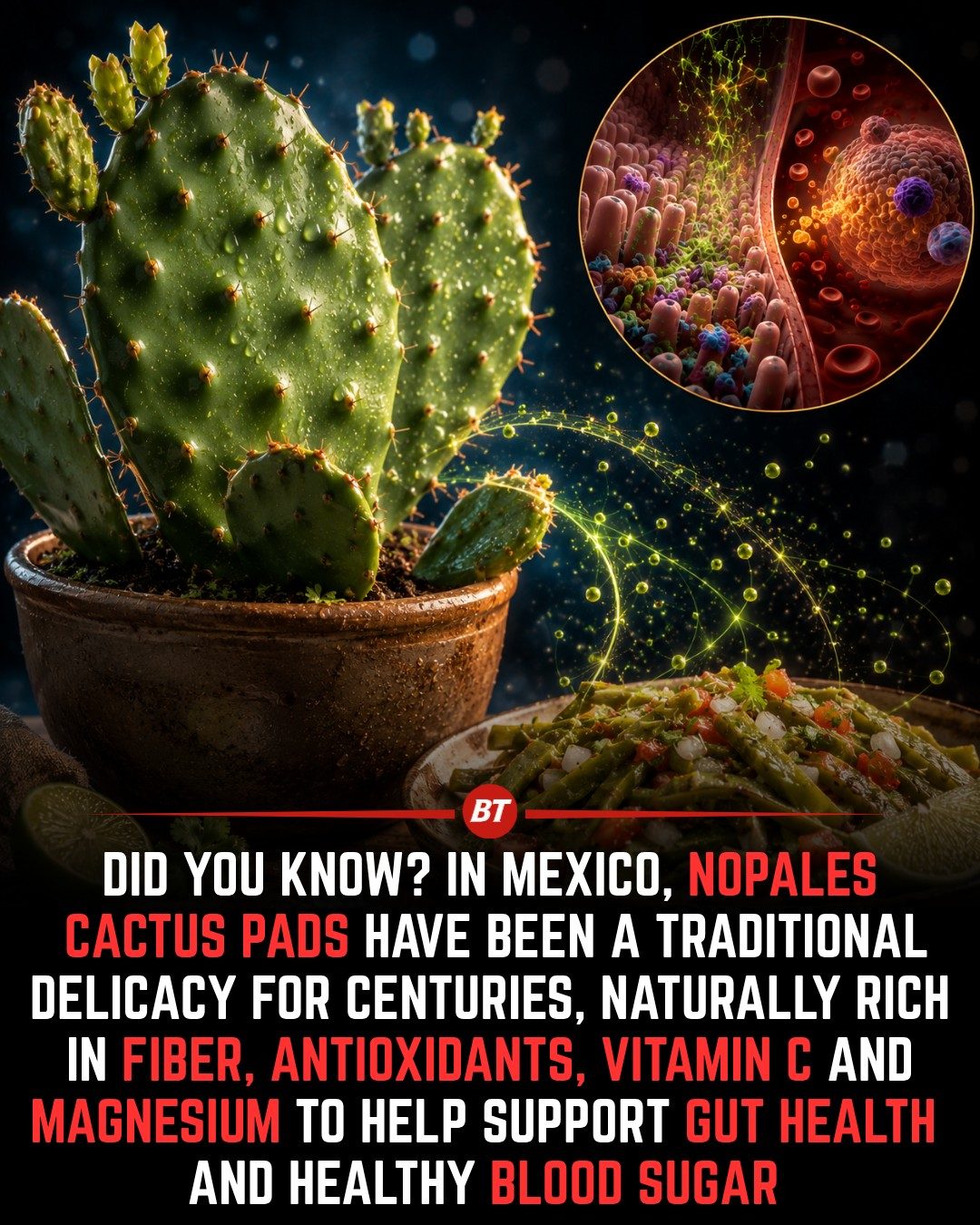
Nopales
Nopales, the pads of the prickly pear cactus, have been a beloved ingredient in Mexican cuisine for centuries. Beyond their culinary uses, nopales are celebrated for their robust nutritional profile and numerous health benefits. From supporting gut health to aiding in blood sugar regulation, these versatile cactus pads are a powerhouse of nutrition.
Why This Matters
Incorporating nopales into your diet can offer a range of health advantages. These benefits are particularly relevant given the growing interest in plant-based diets and the quest for nutrient-dense foods. Understanding the specific benefits of nopales can help individuals make informed dietary choices that support overall health and wellness.
Main Discussion
Nutritional Profile
Nopales are packed with essential nutrients that contribute to their health benefits. They are exceptionally rich in fiber, specifically soluble fiber and pectin, which play a crucial role in digestive health. These fibers slow down the digestion and absorption of carbohydrates, promoting steadier blood sugar levels after meals. This is particularly beneficial for maintaining healthy blood sugar levels and supporting metabolic wellbeing.
Fiber and Digestive Health
The fiber and pectin in nopales not only help regulate blood sugar levels but also feed beneficial gut bacteria. During the fermentation process, these bacteria produce short-chain fatty acids that help maintain a healthy intestinal lining. This process supports digestive health and overall gut wellbeing.
Vitamin and Mineral Content
Beyond fiber, nopales are a rich source of vitamin C and magnesium. Vitamin C is a potent antioxidant that supports immune function and collagen production, while magnesium is an essential mineral involved in over 300 enzymatic reactions, including muscle function, nerve signaling, and glucose metabolism.
Antioxidant Properties
Nopales contain betalains and polyphenols, plant compounds known for their antioxidant properties. These compounds help protect cells from oxidative stress, contributing to overall health and wellness.
Supporting Gut Health
The fiber content in nopales makes them an excellent choice for supporting gut health. They help maintain a healthy intestinal lining and support the production of short-chain fatty acids, which are crucial for digestive health. This makes nopales a valuable addition to a diet focused on gut wellbeing.
Blood Sugar Regulation
The combination of fiber and bioactive plant compounds in nopales makes them effective in regulating blood sugar levels. A 2023 review published in the journal Nutrients highlighted the benefits of prickly pear cactus for blood sugar regulation, cholesterol management, and antioxidant status. These effects are largely driven by the fiber and bioactive compounds present in nopales, making them a valuable addition to a healthy diet.
Practical Tips
If you're eager to incorporate nopales into your diet, here are some practical tips to get you started:
Preparation and Cooking
Fresh nopales can be prepared in various ways, such as grilling, sautéing, or boiling. Be sure to thoroughly clean the pads to remove any spines. Grilling or sautéing nopales with olive oil, garlic, onions, and tomatoes can enhance their flavor and add a delicious twist to your meals.
Versatile Recipes
Nopales are a versatile ingredient that can be added to a variety of dishes. Try serving them with eggs, grilled chicken, or black beans for a protein-packed meal. They also make a nutritious addition to tacos, salads, and scrambled eggs.
Storing Nopales
If you have fresh nopales, store them in the refrigerator in a sealed container or plastic bag. They can typically last for about a week when properly stored.
Important Takeaways
When it comes to nopales, the key takeaways are their rich nutritional profile and diverse health benefits. Whether you're looking to support gut health, regulate blood sugar levels, or boost your antioxidant intake, nopales are a nutritious and delicious choice. Their versatility in the kitchen makes them an excellent addition to any meal, offering both flavor and nutritional value.
Conclusion
Nopales, with their long history in Mexican cuisine, offer a wealth of health benefits that make them a valuable addition to any diet. From their high fiber content to their antioxidant properties, nopales support various aspects of health and wellness. Incorporating nopales into your meals can be a delicious and nutritious way to enhance your overall wellbeing.
Watch the Reel
Questions readers ask
What are the primary health benefits of consuming nopales?
Nopales offer a variety of health advantages, including improved digestion due to their high fiber content, better blood sugar regulation, and enhanced overall health. They are also rich in antioxidants, which can help reduce inflammation and support the immune system. In addition, nopales are beneficial for heart health and skin health.
How do nopales support digestive health?
Nopales are high in dietary fiber, which aids in promoting regular bowel movements and preventing constipation. The soluble fiber in nopales also supports the growth of beneficial gut bacteria, contributing to a healthy gut microbiome.
Can nopales help regulate blood sugar levels?
Yes, nopales have been shown to help regulate blood sugar levels. They have a low glycemic index and are high in fiber, which slows down the absorption of sugar into the bloodstream. Additionally, nopales contain compounds that can improve insulin sensitivity.
What vitamins and minerals are found in nopales?
Nopales are a good source of several essential vitamins and minerals, including vitamin C, vitamin A, calcium, and magnesium. They also contain potent antioxidants such as beta-carotene, which can help protect cells from damage.
How can nopales be incorporated into a diet?
Nopales can be incorporated into a variety of dishes, including salads, tacos, soups, and stir-fries. They have a mild flavor and a crunchy texture, making them a versatile ingredient in Mexican cuisine and other culinary traditions. You can find nopales fresh, canned, or jarred in many grocery stores.
Are there any traditional uses of nopales in Mexican cuisine?
Yes, nopales have been a staple in traditional Mexican cuisine for generations. They are often used in dishes like tacos, sopa de nopales (nopales soup), and ensalada de nopales (nopales salad). They are also commonly served as a side dish or added to omelettes and scrambled eggs.
Related deep dives
Similar reads based on topic and creator.




Recent articles
Fresh deep dives from the latest Reels we unpacked.




Comments
Be the first to comment.