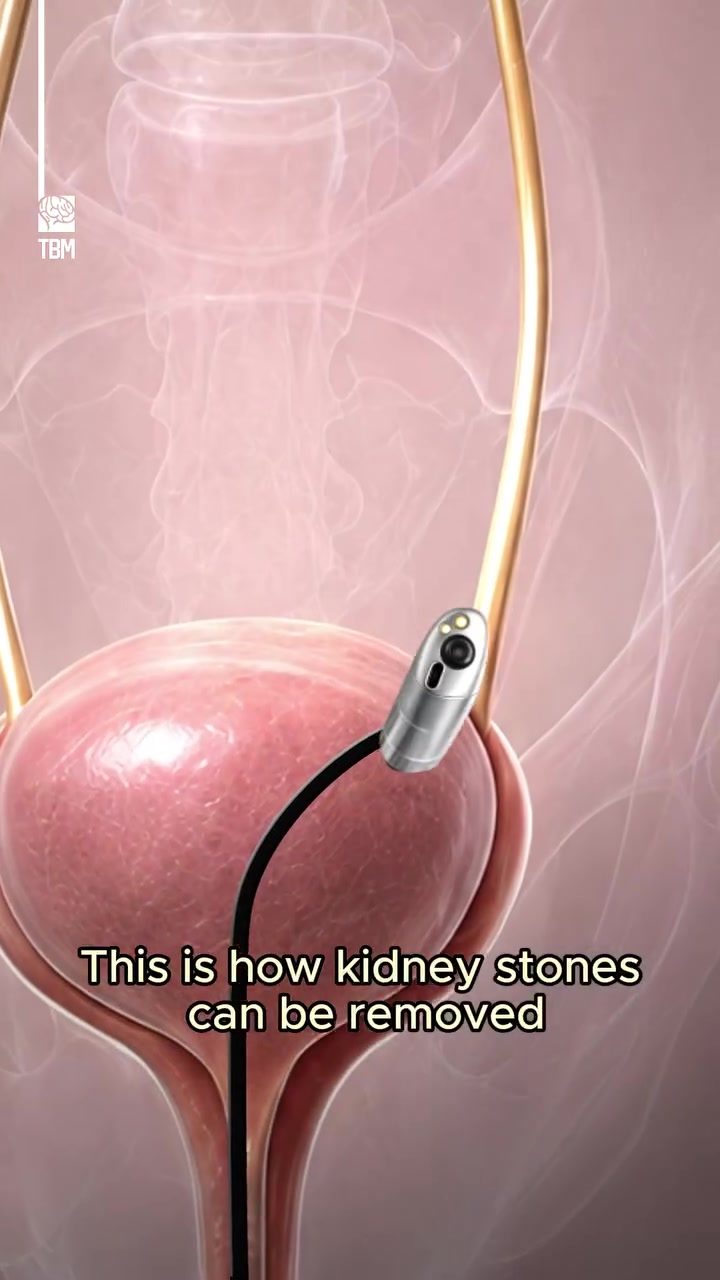
Kidney Stone Removal
Kidney stones can be a painful and disruptive condition, but the good news is that they can often be removed without surgery. This involves a minimally invasive procedure called ureteroscopy, which uses a thin, flexible scope to navigate the urinary tract and extract the stones. Let's explore how this process works, why it's beneficial, and what to expect.
Why This Matters
Kidney stones are more common than you might think, affecting millions of people worldwide. The traditional approach to removing them often involves more invasive surgeries, which can mean longer recovery times and increased risks. Ureteroscopy offers a less invasive alternative, making it a significant advancement in urological care.
Ureteroscopy: The Procedure
The Tool: The Ureteroscope
A ureteroscope is a thin, flexible medical device with a camera at its tip. This allows the urologist to see inside the urinary tract and locate the stones. The scope is inserted through the urethra, which means there are no external incisions involved. This not only reduces the risk of infection but also speeds up recovery times.
The Process
-
Preparation and Anesthesia: The procedure begins with the patient being placed under anesthesia. This ensures comfort and eliminates any movement that could interfere with the delicate process.
-
Insertion and Navigation: The urologist inserts the ureteroscope through the urethra, guiding it into the bladder and then carefully up the ureter to reach the kidney. The journey is meticulous, ensuring no damage is done to the urinary tract.
-
Locating the Stone: A tiny camera at the tip of the ureteroscope provides a clear view of the urinary tract, helping the urologist precisely locate the stone. This is crucial for the next step.
-
Removing the Stone: If the stone is small enough, a flexible wire basket at the end of the ureteroscope gently captures it. The basket then retracts, carrying the stone back out through the natural pathway. For larger stones, a laser is used to break them into smaller fragments before they are collected. This method ensures that even large stones can be removed effectively.
-
Post-Procedure Care: Sometimes, a temporary ureteral stent is inserted to maintain urine flow while swelling settles and the urinary tract heals. This stent is usually removed a few days to a week later.
Practical Tips
If you or someone you know is facing kidney stone removal, here are some practical tips to consider:
-
Consult a Specialist: Make sure to consult with a urologist who has experience with ureteroscopy. Experienced professionals can provide a more efficient and safer procedure.
-
Prepare for Recovery: While ureteroscopy is less invasive, it's still a medical procedure. Make arrangements for rest and recovery. Your doctor will provide specific instructions, but generally, you should plan for a few days of rest.
-
Follow Post-Preparation Instructions: If a stent is inserted, follow the instructions for its removal and any follow-up care. Proper care during this phase can prevent complications and speed up recovery.
-
Maintain Hydration: Drinking plenty of water can help prevent the formation of new stones and aid in the healing process. Your doctor may recommend a specific diet or hydration plan to support your recovery.
Important Takeaways
-
Minimally Invasive: Ureteroscopy is a minimally invasive procedure that does not require any incisions, making it a safer and more comfortable option for many patients.
-
Effective for All Sizes: The procedure can handle both small and large stones, thanks to the use of a laser for breaking larger stones into smaller, manageable pieces.
-
Quick Recovery: The lack of incisions and the natural pathway used for the procedure mean a quicker recovery time compared to traditional surgeries.
-
Temporary Stent: In some cases, a temporary ureteral stent is inserted to maintain urine flow and support healing. This is a common and manageable part of the process.
Conclusion
Ureteroscopy is a game-changer in the treatment of kidney stones. It offers a minimally invasive, effective, and quick-recovery solution for those suffering from this condition. By understanding the process, preparing appropriately, and following post-procedure care instructions, patients can navigate this procedure with confidence. For those dealing with kidney stones, ureteroscopy provides a modern, patient-friendly approach to a common and often painful condition.
Watch the Reel
Questions readers ask
What is the main advantage of choosing ureteroscopy for kidney stone removal?
The primary advantage of ureteroscopy is its minimally invasive nature. It avoids the need for large incisions, leading to faster recovery times and reduced risk of complications compared to traditional surgical methods.
How does a ureteroscopy procedure work for kidney stone removal?
During a ureteroscopy, a thin, flexible scope called a ureteroscope is inserted through the urethra and bladder, and then carefully navigated into the ureter. The scope is equipped with a camera and tools to locate, break up, and remove kidney stones through the natural passageways of the urinary tract.
What can I expect during recovery from a ureteroscopy procedure?
Recovery from ureteroscopy is generally quick. Most patients can leave the hospital the same day. Some may experience minor discomfort or a burning sensation during urination, but this typically subsides within a few days. It's important to stay hydrated and follow your doctor's post-procedure instructions.
Are there any risks or complications associated with ureteroscopy?
While ureteroscopy is generally safe, it does carry some risks. These can include infection, bleeding, or damage to the urinary tract. However, these complications are relatively rare, and the procedure is designed to minimize risks.
Can all kidney stones be removed through ureteroscopy?
Ureteroscopy is effective for many types and sizes of kidney stones, but it's not suitable for every case. Large stones or those located in certain parts of the kidney might be better treated with other methods, such as extracorporeal shock wave lithotripsy (ESWL) or percutaneous nephrolithotomy.
What benefits does using a flexible ureteroscope provide?
A flexible ureteroscope allows for greater maneuverability within the urinary tract, enabling the urologist to access and treat stones in various locations, including the kidney and ureter. This flexibility helps ensure that the procedure is thorough and effective.
How is the kidney stone extracted or removed during a ureteroscopy?
During the procedure, the ureteroscope is equipped with tools that can break up larger stones into smaller fragments. These fragments are then either extracted through the scope or allowed to pass naturally through the urinary tract. The choice of method depends on the size and location of the stones.
Related deep dives
Similar reads based on topic and creator.


Recent articles
Fresh deep dives from the latest Reels we unpacked.




Comments
Be the first to comment.