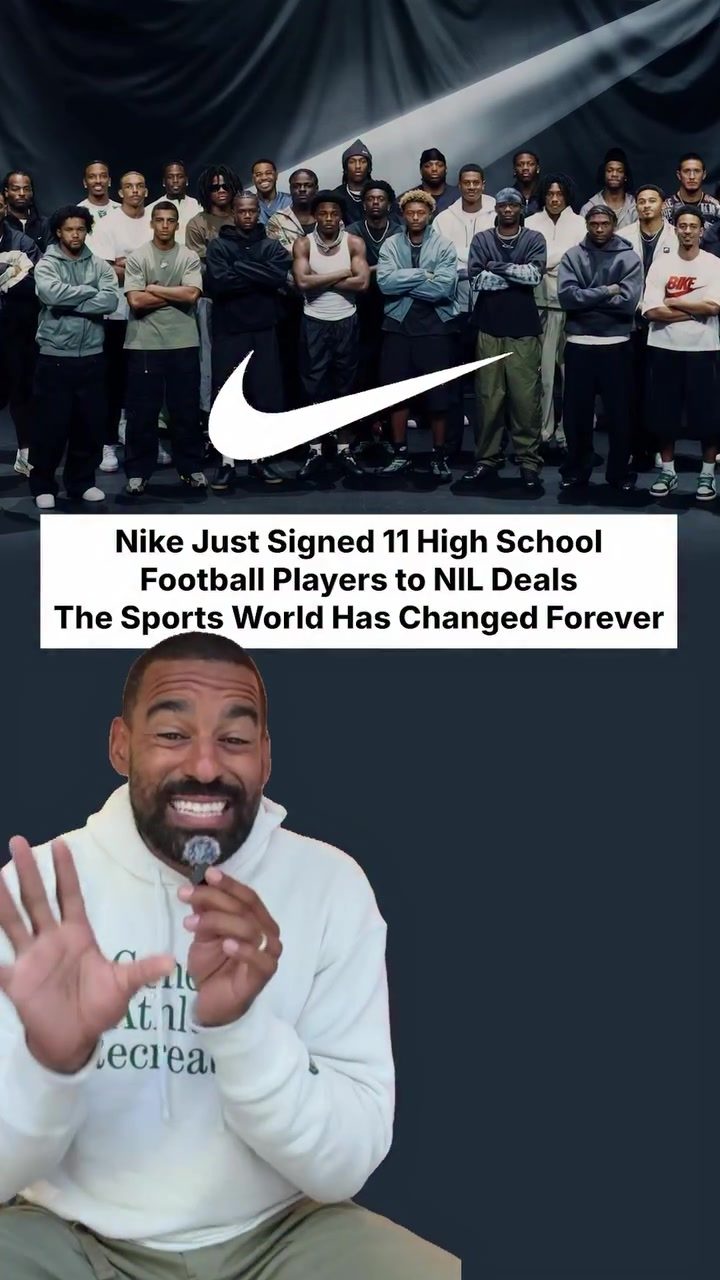
Nike's Investment in High School Football Players and the Future of Sports
Nike has made a significant move in the world of sports by signing 11 high school football players to Name, Image, and Likeness (NIL) deals. These players, ranging from 15 to 17 years old, have yet to play a single college snap. This unprecedented move signals a shift in how sports brands and athletes interact, and it highlights the evolving landscape of sports sponsorship and media.
Why This Matters
For decades, the traditional pathway for athletes has been clear: high school, college, NFL, and then a Nike deal. Nike has now disrupted this pipeline by signing high school players directly, shifting the sequence to high school, Nike deal, college, and then the NFL. This change indicates that Nike is no longer waiting for athletes to prove themselves at the highest levels before investing in them. Instead, they are betting on the future potential of these young athletes, recognizing that their personal brand and media presence are valuable assets even before they reach the collegiate level.
The New Era of Athlete Branding
A 16-year-old quarterback today is more than just a football player; he is a media company, a personal brand, a content creator, a merchandise business, and a future licensing empire. Football is just one part of his business. His name is the asset, and Nike has strategically bought into that asset before anyone else could. This approach is akin to portfolio investing applied to athletic talent.
Portfolio Investing in Athletic Talent
Nike's move can be seen as a form of portfolio investing, where signing 11 high school players means that a few may become generational stars. These stars will pay for the entire portfolio and then some. The rest of the athletes, even if they don't reach stardom, still contribute to building the brand, generating content, and moving product. This logic is similar to early-stage investing, where writing enough checks at the right moment can make the outliers change everything.
The Impact on College Recruiting
Colleges are no longer just recruiting talent; they are recruiting brands. The focus has shifted to how many followers an athlete has, whether they can move merchandise, and if sponsors already love them. Athletic performance is now paired with marketing performance. This trend is evident in how colleges evaluate potential recruits, looking beyond just their skills on the field.
Nike's Strategic Vision
Nike's investment in high school football players is a strategic move that reflects a broader shift in the sports industry. The athletes of the future won't just arrive at colleges with scholarships; the very best will arrive with sponsorship portfolios, media audiences, and businesses already worth millions. Nike has essentially fired the starting gun on a completely new era of sport, where the value of an athlete's personal brand is recognized and leveraged from a very young age.
Practical Tips for Aspiring Athletes
For high school athletes looking to capitalize on this new landscape, here are some practical tips:
- Build Your Personal Brand: Start creating content and engaging with your audience. Platforms like Instagram, TikTok, and YouTube can be powerful tools for building a personal brand.
- Engage with Sponsors: Understand the value of your personal brand and how it can attract sponsorships. Be proactive in reaching out to brands and negotiating deals.
- Focus on Both Athletic and Media Performance: While athletic performance is crucial, don't neglect your media presence. Engage with your audience, create valuable content, and build a strong online presence.
- Network and Collaborate: Use this opportunity to connect with other athletes, influencers, and industry professionals. Collaborations can help you grow your brand and reach a wider audience.
Important Takeaways
Nike's investment in high school football players is a game-changer in the sports world. It signifies a shift towards valuing an athlete's personal brand and media presence from a young age. This trend is not just about sports; it's about the broader concept of investing in human potential and leveraging personal brands. As the sports landscape evolves, athletes, colleges, and brands must adapt to this new era of sports and media.
Conclusion
The signing of 11 high school football players to NIL deals by Nike is a bold move that reflects a changing landscape in sports. It signals a shift in how athletes are valued and how brands invest in talent. For athletes, this presents a unique opportunity to build their personal brands and leverage their media presence. For colleges and brands, it means rethinking traditional recruitment and investment strategies. The future of sports is here, and it's all about the power of personal branding.
Watch the Reel
Questions readers ask
What are Nike NIL deals and why are they significant for high school football players?
Nike NIL deals are agreements where Nike pays high school football players to use their name, image, and likeness for promotional purposes. These deals are significant because they allow young athletes to monetize their personal brand early in their careers, and they represent a shift in how sports brands invest in athletes.
How does Nike's move affect the traditional pathway from high school to the NFL?
Traditionally, athletes progressed from high school to college, then to the NFL, and finally to professional endorsement deals. Nike's decision to sign high school players directly disrupts this pathway, allowing players to secure endorsement deals earlier and potentially altering their career trajectories.
Why is Nike investing in high school football players?
Nike is investing in high school football players to capitalize on their future potential and growing influence. By signing young athletes, Nike can build long-term relationships and create a pipeline of talent that aligns with their brand. Plus, the brand gets the right to feature the players in their promotional materials.
How does this move impact the recruitment of high school football players?
Nike's move could intensify the recruitment process as more brands may follow suit, leading to increased competition for young talent. High school athletes might gain more leverage in negotiations, and colleges may need to adapt their recruitment strategies to account for these early endorsement deals.
What does this shift mean for the future of sports sponsorship and media?
This shift suggests a move towards valuing athletes' personal brands and influence from a younger age. It could inspire other brands to explore similar strategies, leading to a more dynamic and competitive landscape in sports sponsorship and media. It may also push the boundaries of what is expected from young athletes in the future.
Who are the high school football players that have secured NIL deals with Nike?
Nike has signed 11 high school football players to NIL deals. These players, ranging from 15 to 17 years old, are all top prospects in their respective positions. However, Nike has not disclosed the exact list of players, focusing more on the broader impact of their move on the sports industry.
How might this development affect the relationship between colleges and athletes?
Colleges may need to adjust their approach to athlete recruitment and development. With high school players already having endorsement deals, colleges might need to offer more competitive packages to attract top talent. Additionally, the dynamic could shift power towards athletes, who now have more control over their personal brands.
Related deep dives
Similar reads based on topic and creator.


Recent articles
Fresh deep dives from the latest Reels we unpacked.




Comments
Be the first to comment.